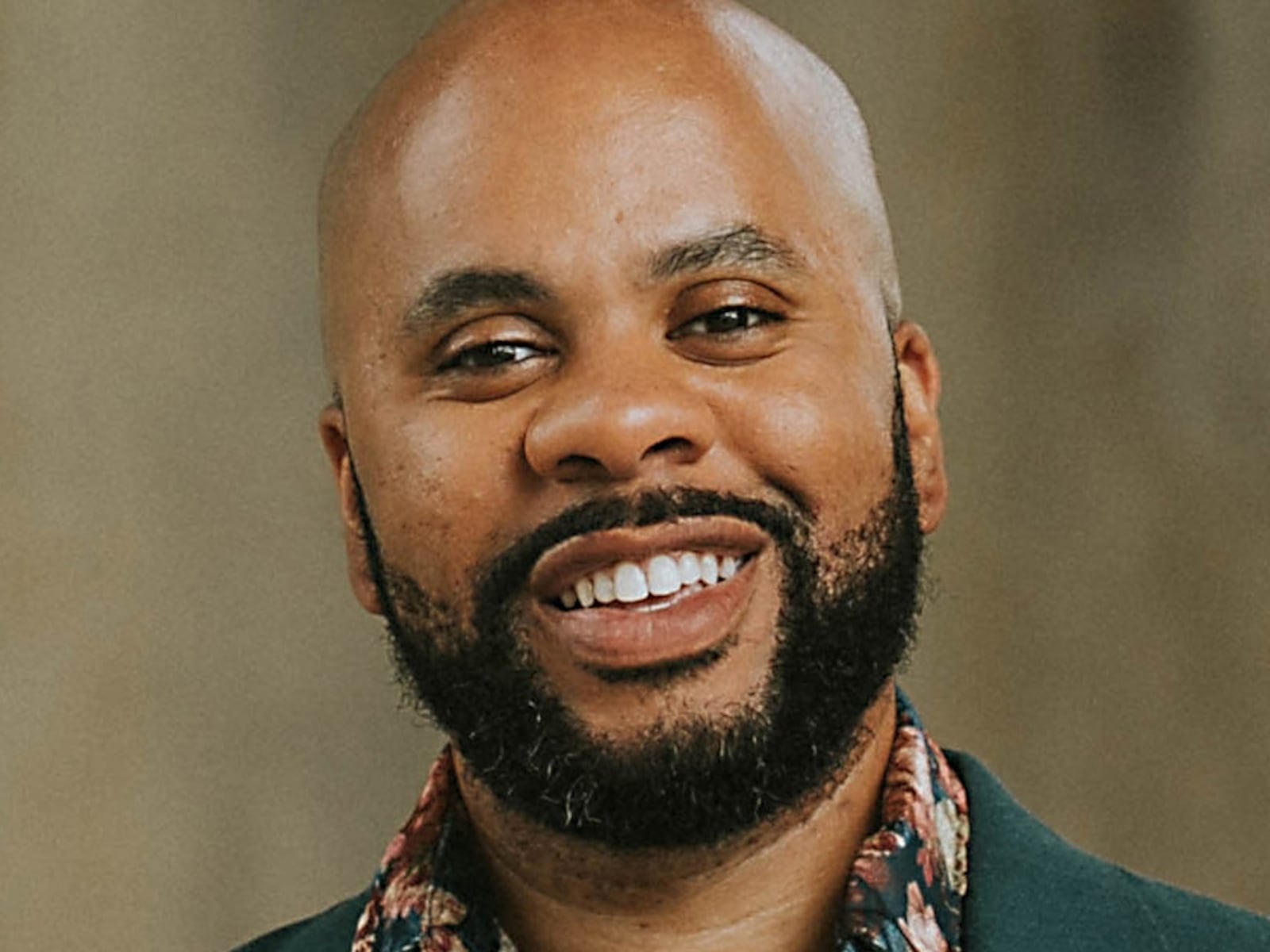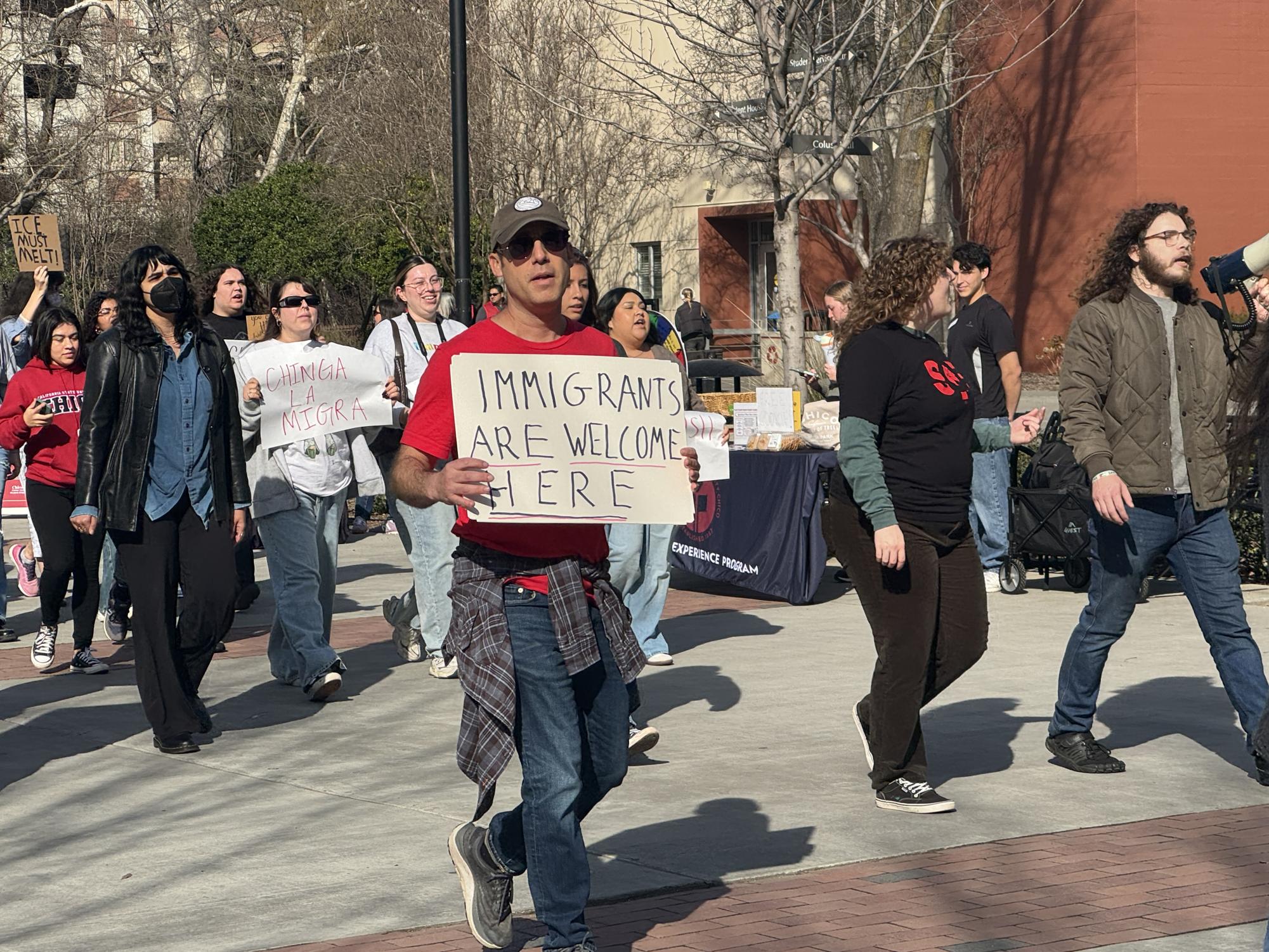
Chico State University has instituted a proactive approach to address the possibility of U.S. Immigration and Customs Enforcement (ICE) raids on campus. The university’s Diversity Officer, Joseph Morales, has been leading a series of informational sessions titled “What To Do, What To Say” since last semester, aimed at educating the community on how to respond to potential immigration enforcement actions.
This initiative gained urgency following a recent incident in downtown Chico where immigration agents arrested an individual, as confirmed by the advocacy group NorCal Resist. During a session held on Thursday, Morales outlined the university’s protocol for responding to ICE activity on campus. This protocol includes immediate notification to the campus community and an effort to have a university police officer document the incident with a body camera. However, Morales emphasized that the process hinges on individuals reporting the situation to the appropriate authorities.
Community members are encouraged to report any suspected ICE activity to either Joseph Morales, Risk Management Director Mike Thorpe, or the University Police Department (UPD). Morales noted, “Some universities have police as the only contact. But not everyone feels comfortable reporting to the police. That’s why we decided to include multiple contacts, including the police.”
The evolving context of immigration enforcement has prompted Morales to update the presentation regularly, drawing from advice provided by the California State University Chancellor’s Office and the California Attorney General. He detailed that the university’s approach reflects both legal guidance and the core values of Chico State.
Protocol Details and Community Support
A recent occurrence involved a report to Morales regarding an unfamiliar black SUV, commonly associated with police vehicles, circulating on campus. Upon investigation, it was identified as a university police lieutenant’s vehicle. Morales used this example to illustrate the importance of the reporting system, encouraging individuals to reach out even if they are uncertain.
In cases where ICE agents present a warrant, faculty members are advised not to engage in verifying its legitimacy. Instead, they should contact Morales, Thorpe, or UPD. An attorney will determine the warrant’s validity before allowing agents into non-public areas, which includes classrooms and offices. Morales stated, “Refer, don’t engage. It’s not your job to interpret immigration law.”
Under the California SAFE Act, university communications must promptly inform the community about confirmed ICE activities on campus, including the date, time, and location through email alerts. If approached by ICE agents, Thorpe recommends asking whether the situation constitutes “exigent circumstances,” thereby demonstrating a fundamental understanding of immigration law.
According to University Police Chief Christopher Nicodemus, ICE does not provide prior notice to UPD about their operations. “They know not to ask us; they know we don’t work with them,” Nicodemus said, highlighting the sensitivity surrounding immigration enforcement on college campuses.
Resources and Future Workshops
The university offers resources for international students regarding their visas and immigration status through Jennifer Gruber, Associate Vice President of International Education & Global Engagement. Faculty can contact Mahalley Allen, Vice Provost for Faculty Affairs, for similar inquiries.
To facilitate ongoing education, additional “What To Do, What To Say” workshops are scheduled for March 12, April 10, and May 7. These sessions will allow students and faculty to ask questions directly related to immigration law and university protocol.
Chico State’s Dream Center serves as a vital resource for undocumented and mixed-status families, providing advocacy, programs, and support. Morales emphasized the importance of community solidarity in the face of federal immigration policies, stating, “We have little control over what the federal government does. But we do have control over how we support each other as a community.”
The university’s proactive measures reflect its commitment to creating a safe and supportive environment for all students and staff, especially in the context of ongoing national debates about immigration enforcement.