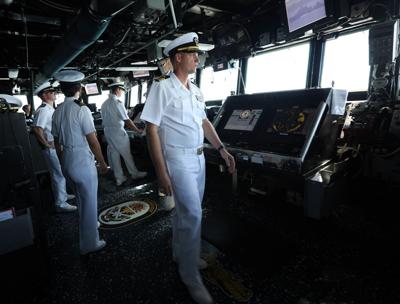
A U.S. Navy admiral overseeing military operations in Latin America transferred command responsibilities on October 27, 2023, as scrutiny intensifies over the Trump administration’s controversial strikes on alleged drug boats in the region. Admiral Alvin Holsey handed leadership duties to Air Force Lt. Gen. Evan Pettus during a ceremony at the U.S. Southern Command headquarters in Miami.
Holsey’s retirement comes just one year into a position that typically lasts three to four years. During his farewell remarks, he did not address the contentious military operations or the rationale behind his early departure. Instead, he emphasized the importance of maintaining longstanding partnerships in the region, urging his successor to uphold democracy and the rule of law. “To be a trusted partner, we must be credible, present, and engaged,” Holsey stated.
The Pentagon announced Holsey’s unexpected retirement in October, coinciding with the administration’s strikes on suspected drug boats in the Caribbean and eastern Pacific, which have reportedly resulted in at least 87 fatalities. As Congress increasingly scrutinizes these military actions, Holsey had briefed key lawmakers earlier in the week.
The ceremony marking his transition was notably subdued compared to previous retirements. It took place outdoors with a limited audience primarily consisting of Southern Command staff, and it was absent of Defense Secretary Pete Hegseth, as President Donald Trump has yet to nominate Holsey’s successor.
In his remarks, Gen. Dan Caine, chairman of the Joint Chiefs of Staff, praised Holsey for his 37 years of service, characterizing him as a “stoic” leader who prioritized the welfare of others over personal accolades. Caine remarked, “It’s never been about you; it’s been about people, it’s been about others.”
Holsey’s departure occurs amidst bipartisan investigations in Congress into the boat strikes, including one incident that resulted in the deaths of two survivors clinging to wreckage. Lawmakers, including Sen. Jack Reed, the top Democrat on the Senate Armed Services Committee, expressed that while Holsey answered questions during classified briefings, “there are still many questions to be answered.” Reed noted that Holsey did not provide a detailed explanation for his retirement, citing it as a personal decision.
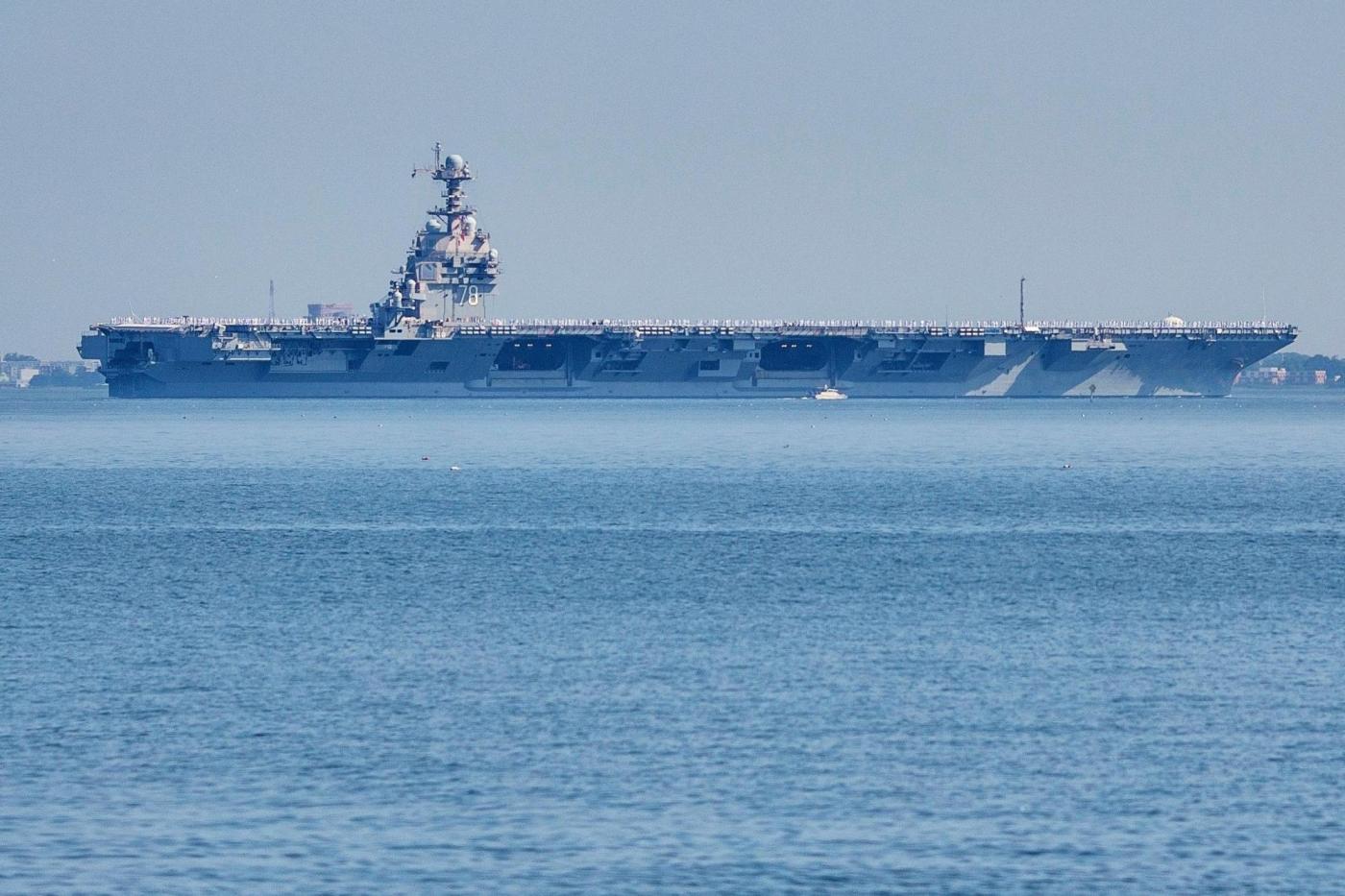
The legality of the strikes has drawn criticism from experts on warfare, human rights organizations, and even some of Trump’s allies in Congress. For decades, individuals accused of drug trafficking were arrested at sea by the U.S. Coast Guard and transported to the United States for prosecution. The current administration has conducted 22 strikes against vessels with the backing of a substantial military presence, including warships, attack helicopters, and thousands of troops.
The Trump administration has defended its actions, labeling drug gangs in Venezuela, Colombia, and Mexico as “narcoterrorists.” They have invoked a legal argument asserting that the U.S. is engaged in an armed conflict with drug cartels, a rationale that gained prominence following the September 11, 2001, attacks.
As tensions escalate, the administration’s campaign has increased pressure on Venezuelan President Nicolás Maduro, who has been charged with narcoterrorism in the United States. Recently, U.S. forces seized control of an oil tanker accused of smuggling illicit crude, a move that could significantly impact Maduro’s hold on power.
Holsey’s retirement is part of a broader trend of recent firings and abrupt retirements among high-ranking military officials following Hegseth’s appointment at the Pentagon. Lt. Gen. Pettus, a fighter jet pilot with combat experience in Afghanistan and Iraq, had been serving as Holsey’s deputy since late 2024. The duration of his tenure in this new role remains uncertain, pending confirmation from the Senate following Trump’s nomination.