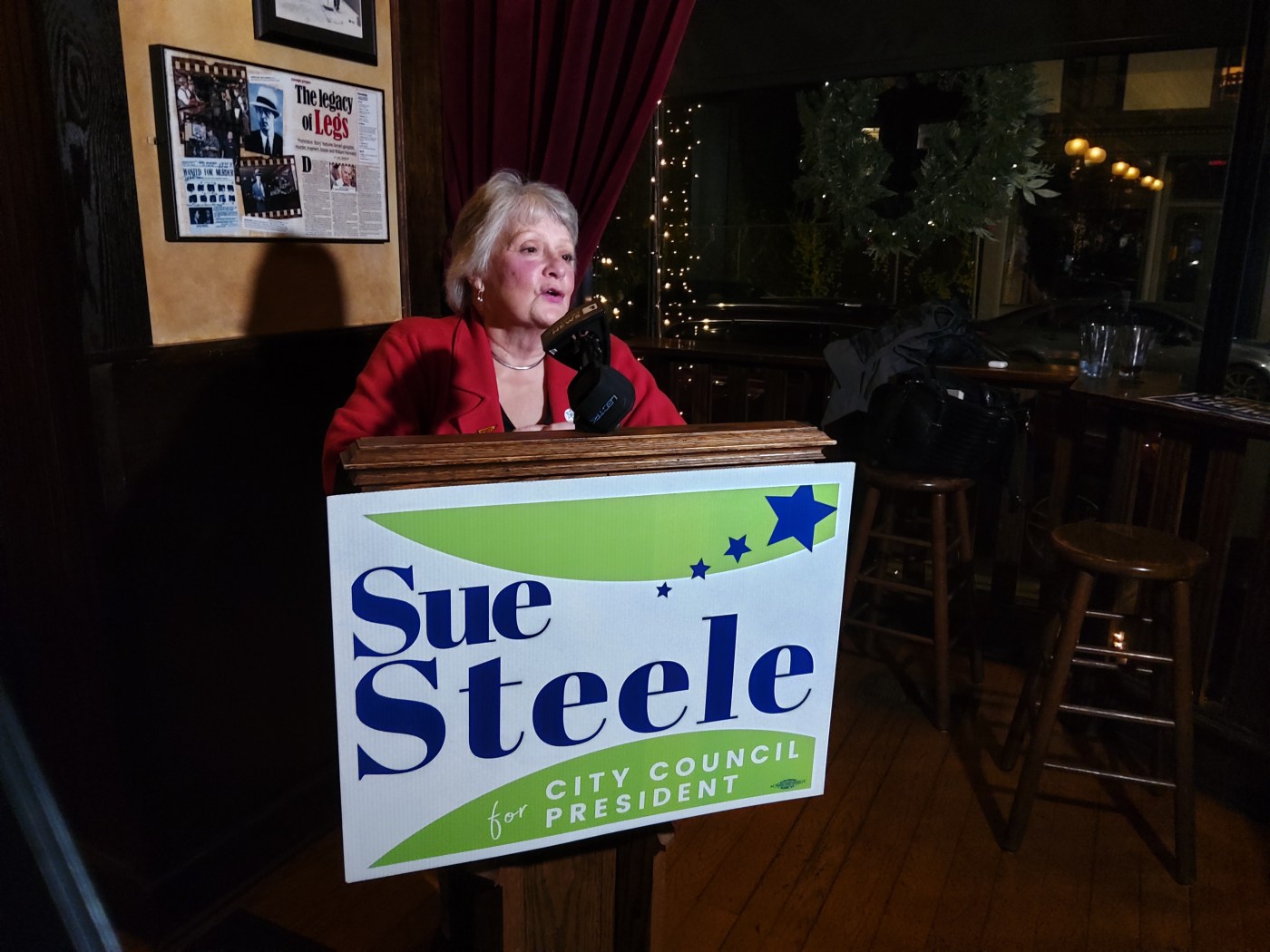
TROY, N.Y. — In a recent address, Troy City Council President Sue Steele reflected on a challenging year marked by significant political dynamics following the election of an all-Democratic council in November 2023. Steele emphasized the need for constructive dialogue between the new council and Mayor Carmella Mantello, who leads a Republican administration.
Steele characterized the past year as “difficult,” noting that the Democratic minority faced numerous obstacles. “This past year has been challenging, as we’ve had a mayoral administration and council majority of the same party,” she stated. “It has been very much a rubber stamp situation, and the council minority has been thwarted repeatedly regarding legislation we’ve proposed.”
Legislative Setbacks and Vetoes
One of the most notable events this year was the veto of a teleconference bill that would have allowed council members and the public to attend meetings remotely in emergencies. Despite some bipartisan support for the measure, Mantello vetoed it, citing logistical issues and the importance of in-person attendance for council meetings. “It was great to see a bipartisan vote on that, but unfortunately the mayor vetoed it, and there were not enough votes to override that veto,” Steele explained.
Looking ahead, Steele indicated that this legislation would likely return in the upcoming term with the fully elected Democratic council. She expressed confidence that the voters’ decision to elect an all-Democratic council signaled a clear message for change. “From my perspective, the voters spoke loud and clear on election night, giving the seven-member Democratic caucus a strong mandate to lead the council for the next two years,” she remarked. “This was a referendum on the mayor’s two years and one-party rule.”
Controversial City Hall Lease
In November, the council voted 4-3 along party lines to approve a lease agreement with Troy’s Local Development Corporation for the future City Hall, locking the city into a 30-year lease with a maximum rent of $685,000. This decision has drawn criticism from constituents, many of whom voiced concerns during public comments about historic preservation and the project’s transparency.
Steele noted that the lease approval upset many community members, who raised issues regarding the rushed nature of the project and its implications for public access to financial documents. “I think it upset a lot of people,” she said. “While we do need a City Hall, it must make sense financially and be accessible.”
Despite the administration’s claims that the project is financially sound and will preserve the historic building, Steele disagreed. “In actuality, they are really destroying the theater because they will be building a box inside it to house the council chambers and offices,” she asserted. “I don’t consider it a preservation project.”
Looking Ahead
Despite the contentious nature of the past year, Steele expressed optimism for the future. She hopes that the new council can work collaboratively with the administration to foster a productive relationship. “I’m very optimistic that going forward we will be able to work together very well as a council, and I would hope that that would spill over into a relationship with the administration,” she said. “I don’t think any of us want to see unnecessary contention, but it’s important to ask questions and expect answers.”
The new council, which officially takes its seats in January, may provide an opportunity for change in Troy’s governance. As the dynamics shift, both the council and the mayor’s administration will need to navigate the expectations of the community while addressing the challenges that lie ahead.