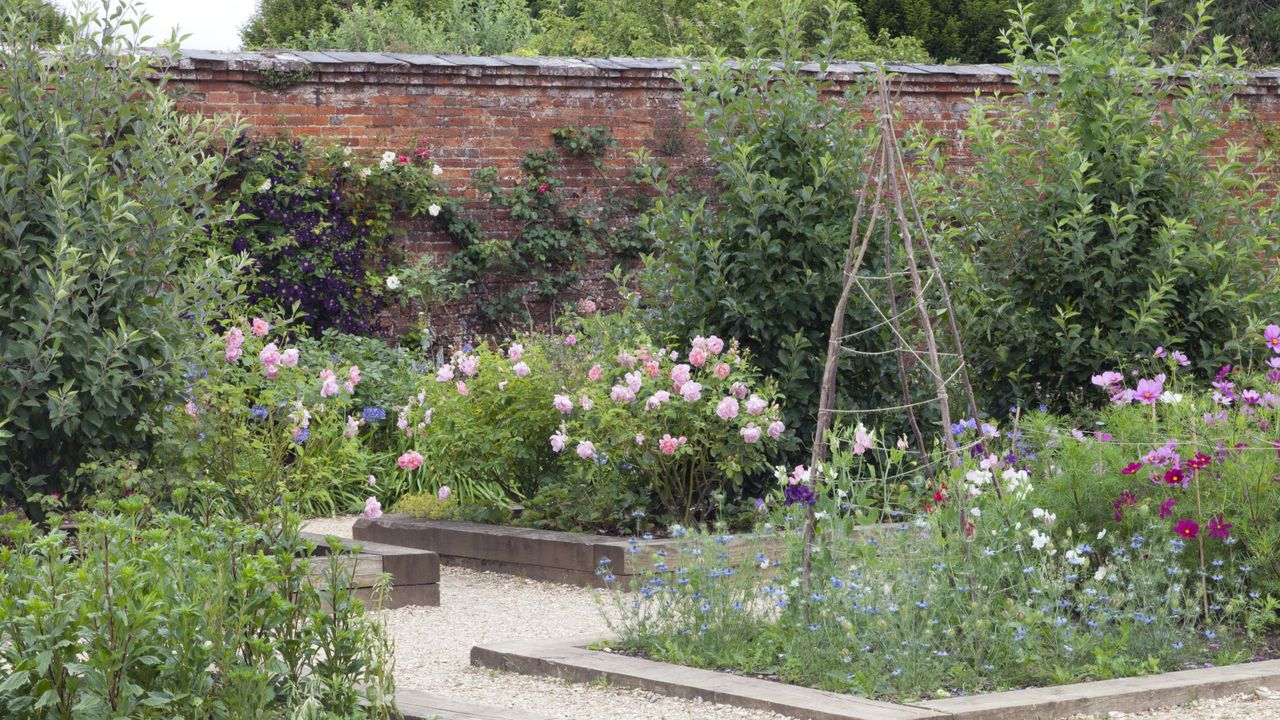
Creating a walled garden, regardless of your garden’s size, is an achievable goal that can transform any outdoor space into a tranquil retreat. This concept draws from historical practices where walls served not only as boundaries but also as practical elements that enhanced plant growth. By following a few simple steps, anyone can cultivate a garden that feels intentional and serene.
Understanding the Benefits of a Walled Garden
The charm of a walled garden lies in its ability to create a distinct microclimate. Walls absorb heat during the day, releasing it slowly at night, while also providing shelter from harsh winds. This principle has historically allowed fruit trees to thrive in less-than-ideal locations, and it remains relevant today. Additionally, walls define the space, creating a sense of order and clarity, which in turn fosters a calm atmosphere.
A well-designed garden can feel like a sanctuary, even in a modest backyard. Here are seven steps to help you achieve that walled garden effect.
Seven Steps to Create Your Walled Garden
1. **Maximize Heat with Walls**
A south-facing wall can be particularly advantageous for growing plants that thrive in warmth. Using a sunny fence or brick wall, you can create a heat sink that benefits plants such as tomatoes, herbs, and climbing roses. Incorporating training wires can help you manage their growth effectively.
2. **Incorporate Espaliered Fruit Trees**
Espaliered trees, such as apples and pears, provide an elegant solution for small spaces. By training these trees flat against a wall, you not only save space but also enhance air circulation, making harvesting easier. Young, flexible bare-root trees are ideal for this method, especially in USDA hardiness zones 5-9.
3. **Divide the Space into Distinct Areas**
Traditional walled gardens were rarely uniform; instead, they featured varied sections for different purposes. You can replicate this by using low walls, hedges, and planters to create separate “rooms” within your garden. A narrow path can guide visitors through these spaces, enhancing the overall experience.
4. **Utilize Raised Beds for Easy Gardening**
Raised beds are practical for any garden, as they warm up quickly in spring and provide better drainage. They also elevate plants to eye level, creating visual interest. Available options, such as modular raised beds from Lowe’s, are easy to assemble and provide structure to your garden.
5. **Encourage Vertical Growth with Climbers**
Walls should not remain bare; instead, they can be adorned with climbing plants like roses and clematis. These not only beautify the space but also add height and seasonal interest. A trellis can support these climbers, while plant-specific fertilizers will ensure robust growth.
6. **Establish Focal Points for Visual Appeal**
Create a focal point in your garden to draw the eye and provide a sense of order. Whether it’s a sundial, a decorative planter, or a small fountain, a single statement piece can enhance the garden’s character. Restraint is key, as one well-placed feature is often more effective than multiple distractions.
7. **Prioritize Comfort and Shelter**
A walled garden should be inviting. Incorporating comfortable seating, such as teak benches from Lowe’s, allows for leisure and enjoyment of the space. Additionally, subtle solar lighting can extend the usability of the garden into the evening hours while highlighting its features.
A walled garden goes beyond mere aesthetics; it offers privacy and a sense of sanctuary in an increasingly fast-paced world. By understanding the mechanics of shelter, light, and boundaries, anyone can create a garden that feels purposeful and calming. The size of the plot is less important than how you utilize the available space. With thoughtful design and modern materials, even the smallest garden can become a beautifully structured retreat that invites relaxation and joy.