Jewellery remains a vital part of fashion, with certain styles maintaining their relevance over time. While fashion is often characterized by rapid change, jewellery operates on a different timeline. Elements such as shapes, finishes, and silhouettes continue to circulate within the fashion industry, adapting to contemporary contexts while retaining their identity. This enduring quality highlights the deeper significance of jewellery in the fashion landscape.
The Role of Jewellery in Fashion
Jewellery transcends mere decoration; it embodies status, creativity, and personal expression across various cultures and eras. In the world of fashion, jewellery often serves as a visual anchor, linking evolving styles to familiar elements. As clothing trends shift, jewellery provides continuity, grounding new aesthetics in tradition. Certain shapes, such as elongated forms and soft curves, have repeatedly appeared throughout fashion history. Their appeal lies in their versatility, blending seamlessly with both minimalist and bold styling.
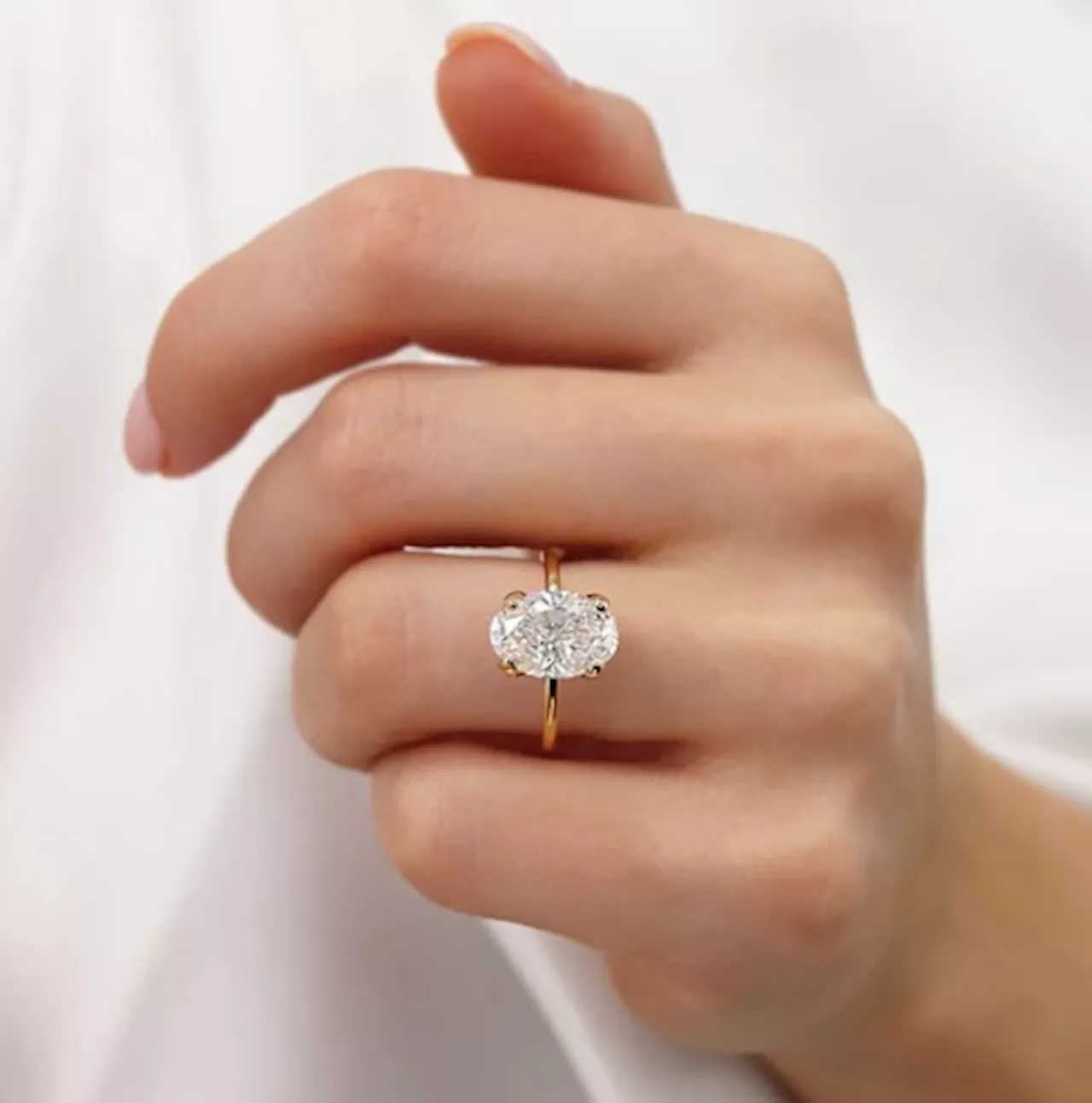
Fashion rarely discards ideas entirely; instead, it reframes them. A traditional shape can feel modern through alterations in proportion, material, or contrast. Jewellery styles reemerge, often layered differently, paired with unexpected items, or worn in ways that defy convention. Gold, for example, has long been celebrated for its warmth and visual presence. It complements various colors and textures, integrating effortlessly across seasons without overshadowing an outfit.
Shifting Perspectives on Everyday Jewellery
A significant transformation in recent fashion is the way jewellery is worn. Pieces that were once confined to formal occasions are now incorporated into everyday attire. This evolution has blurred the lines between statement and staple, with jewellery serving as a signal of personal identity rather than merely an indicator of an occasion.
The influence of personal style often surpasses that of fleeting trends. Styles that endure typically offer flexibility, allowing wearers to express themselves without strict guidelines. Rather than dictating how to wear them, these pieces adapt to individual contexts, whether subtle or bold. Symbolic jewellery, for instance, is increasingly reimagined in fashion, with designers focusing on proportions and visual softness rather than adhering to traditional interpretations.
Jewellery plays a supporting role in the fashion narrative, enhancing mood and intention rather than overshadowing the overall look. A well-chosen piece can transform the perception of an outfit. This narrative function is why certain styles remain prominent across editorials, street style, and cultural discussions, striking a balance between visibility and restraint.
Enduring jewellery styles manage to be noticeable without overwhelming the wearer. This balance allows them to coexist harmoniously with changing fashion trends, enhancing rather than competing with evolving styles. Trend fatigue often emerges when repetition lacks innovation, but enduring jewellery styles offer adaptability. They can be styled in diverse ways, responding to the moment rather than resisting it.
Ultimately, jewellery that maintains its place in the fashion conversation does so by feeling familiar without becoming outdated. These pieces invite reinterpretation and resist the pull of nostalgia. In a fashion environment driven by reinvention, they provide grounding, reminding us that style is not solely about what is new but also about what continues to resonate.
In a world where fashion icons like Karrueche Tran, Rihanna, and Deion Sanders showcase their unique styles, the enduring appeal of jewellery remains a testament to its vital role in self-expression and cultural dialogue. As trends evolve, these timeless pieces continue to inspire and shape the ever-changing landscape of fashion.