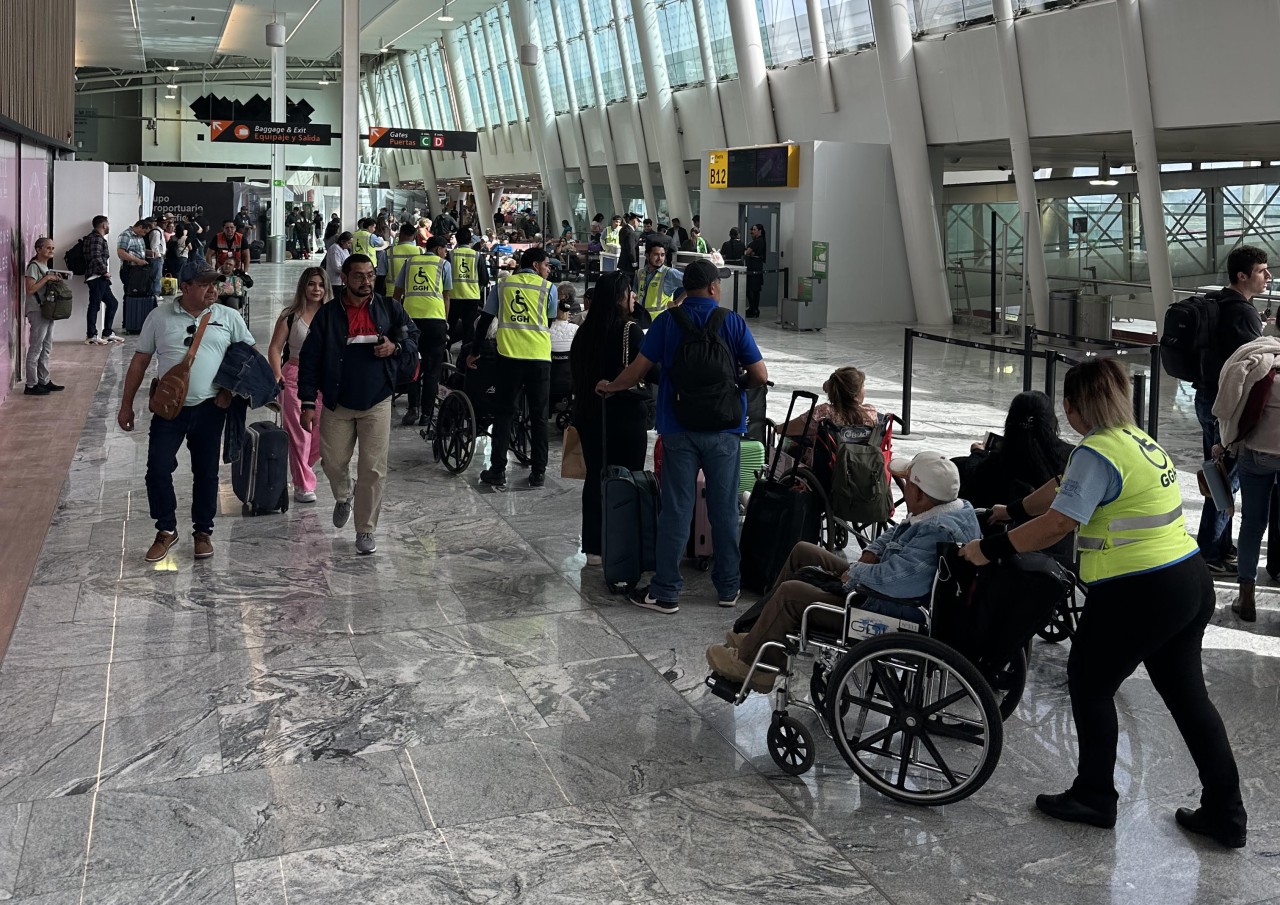
Travelers are expressing frustration over a growing trend in air travel where able-bodied passengers are reportedly using mobility aids to bypass long security and boarding lines. This phenomenon has led to the emergence of the term “Jetway Jesus,” referring to those who appear to require assistance but walk off the aircraft unaided upon landing.
In recent months, numerous airports have reported an increase in complaints about individuals who, despite having no visible disabilities, utilize wheelchairs or other mobility devices. Passengers claim that this practice not only delays the boarding process but also undermines the integrity of services meant for those with legitimate needs.
Growing Concerns Among Travelers
At major airports across the globe, the issue has gained attention. Travelers have taken to social media to share their experiences, highlighting instances where they have witnessed able-bodied individuals being wheeled onto flights, only to stand and walk freely once they disembark. One frequent flyer stated, “It feels unfair that those of us who truly need assistance are made to wait longer because of others gaming the system.”
The ability to skip lines can be especially advantageous during peak travel seasons. Airlines and airport representatives have acknowledged the concerns but emphasize the complexity of verifying the legitimacy of mobility aid requests. According to a spokesperson from a major airline, “We are committed to providing assistance to those who truly need it. However, our staff is not trained to assess the authenticity of disability claims on the spot.”
Impact on Disability Services
The rise in misuse of assistance services has raised questions about how airports and airlines can better manage support for passengers with genuine disabilities. Disability advocates argue that the current systems in place may not adequately address the needs of those who require legitimate assistance. Advocates stress the importance of maintaining dignity for all travelers and suggest implementing more thorough verification processes.
As airlines grapple with this issue, some have begun to explore options for improving their policies. Suggestions include increasing staff training to identify genuine need and enhancing communication with passengers about the proper use of mobility aids.
While many travelers empathize with those who need help, they express a desire for fairness and transparency in the system. “We all want a smooth travel experience, but it shouldn’t come at the expense of those who truly need assistance,” one traveler remarked.
The discussion surrounding this issue is ongoing, and as air travel continues to rebound globally, the need for a balanced approach to assistance services remains crucial. With passengers advocating for both their rights and the rights of those with disabilities, airlines face the challenge of striking a fair balance in their policies.
As the situation develops, travelers are encouraged to share their experiences with airlines and advocate for more equitable treatment in air travel. The conversation surrounding “Jetway Jesus” serves as a reminder of the complexities involved in providing assistance while ensuring that the needs of all passengers are met.