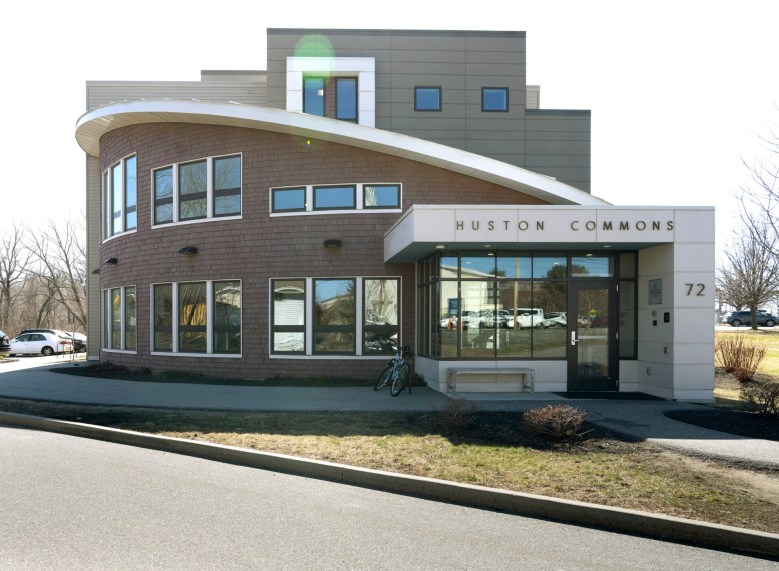
The housing crisis in Maine is intensifying, with a proposed federal funding cut threatening to reverse progress made in providing affordable homes for vulnerable populations. According to Jennifer Hawkins, president and CEO of Avesta Housing, and Dean Klein, executive director of the Maine Continuum of Care, the lack of affordable housing impacts thousands of Mainers, particularly those from low-income households.
As the data reflects, the struggle for affordable housing extends across the state, affecting everyone from young families unable to purchase starter homes to workers commuting long distances due to a lack of nearby housing. The issue is particularly dire for those with limited resources, including individuals facing disabilities, addiction, or trauma. For these groups, stable housing can mean the difference between safety and crisis.
To combat this crisis, the state has focused on permanent supportive housing, which combines affordable homes with essential support services. Currently, Maine is home to 1,624 permanent supportive homes, including 85 owned and managed by Avesta Housing. These homes not only provide shelter but also offer residents access to health care, employment opportunities, and recovery resources.
When housing stability is achieved, the benefits extend beyond individual residents. Permanent supportive housing helps alleviate pressure on emergency shelters, hospitals, and correctional facilities, which are often overburdened and costly. Studies indicate that the expenses associated with providing supportive housing are significantly lower than the costs incurred when people cycle through crisis services.
Despite this progress, a recent proposal by the U.S. Department of Housing and Urban Development (HUD) threatens to derail these efforts. The proposed funding cuts could jeopardize housing support for over 1,200 individuals in Maine, risking a return to homelessness for many who have already benefited from these programs. The potential fallout includes increased demand for shelters and emergency services, further straining resources that are already stretched thin.
In response to the proposed cuts, Maine’s Attorney General has joined forces with 19 other states in a legal challenge against HUD, aiming to halt what they deem a reckless dismantling of an effective support system. While the lawsuit progresses, advocates urge Congress to uphold crucial funding for the Continuum of Care (CoC) program, which is essential for maintaining existing housing projects.
As lawmakers finalize the FY 2025 budget, Maine’s housing leaders emphasize the importance of renewing all eligible CoC grants to sustain current supportive housing initiatives. They also call for the protection of the program from detrimental cuts and the rejection of new federal requirements that may undermine local decision-making regarding fair housing.
In Maine, collaboration between public and private sectors has fostered nonpartisan best practices in addressing homelessness. The Maine CoC Board of Directors comprises 17 members with expertise in housing, public health, and safety, ensuring that strategies align with the state’s housing priorities.
With ongoing state leadership and a robust federal partnership, Maine stands poised to continue demonstrating effective, evidence-based solutions that make homelessness a rare, brief, and non-recurring experience. The focus remains firmly on providing compassionate and practical responses to a pressing issue that affects the fabric of communities across Maine.