In a poignant reflection on community and survival, the author Brian Barth shares his experiences in a homeless camp on Wood Street in West Oakland, California. This camp, once home to around 300 individuals, provided not only shelter but also a unique sense of belonging and resilience amidst the challenges of homelessness.
A Community of Love and Support
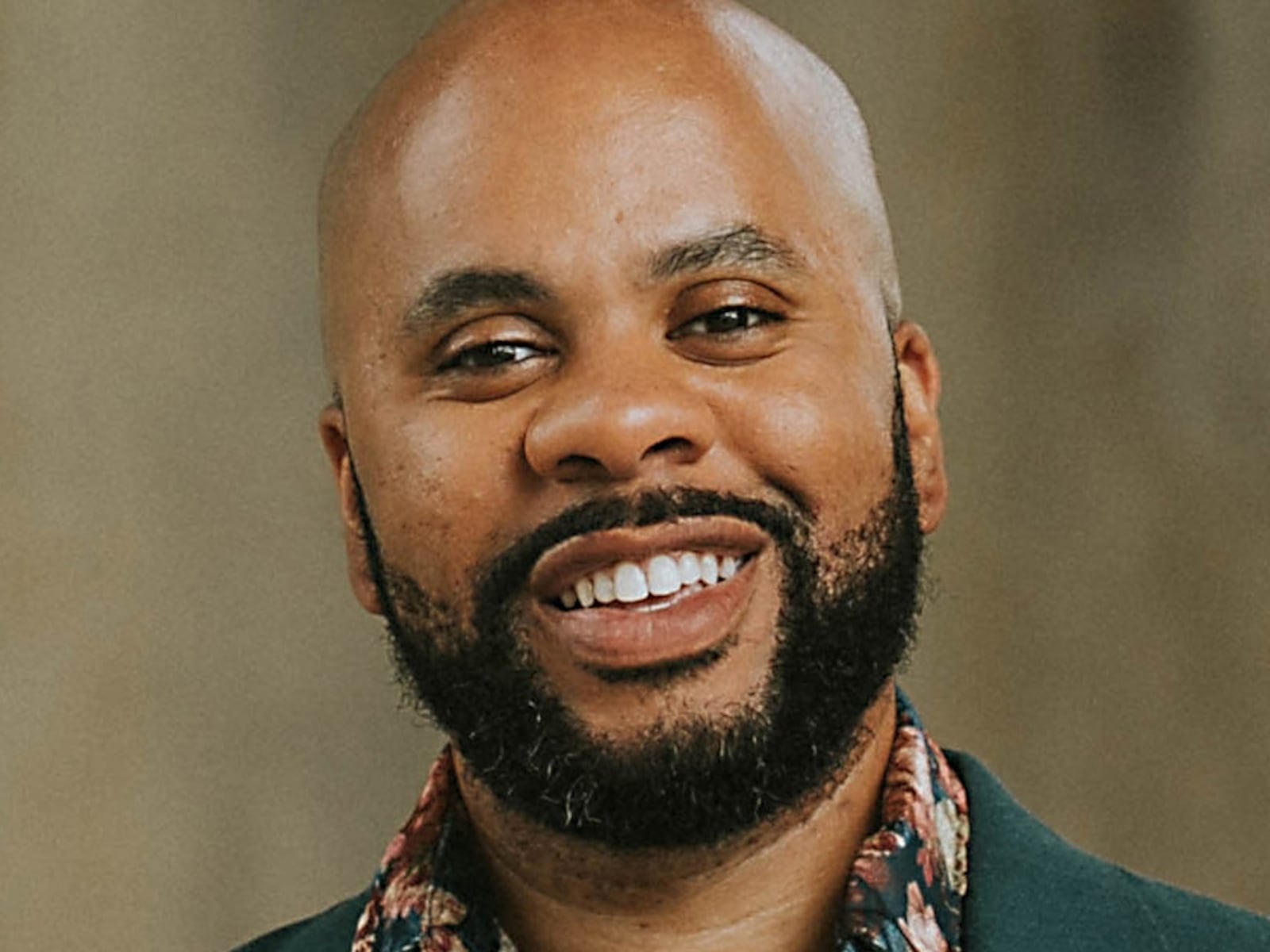
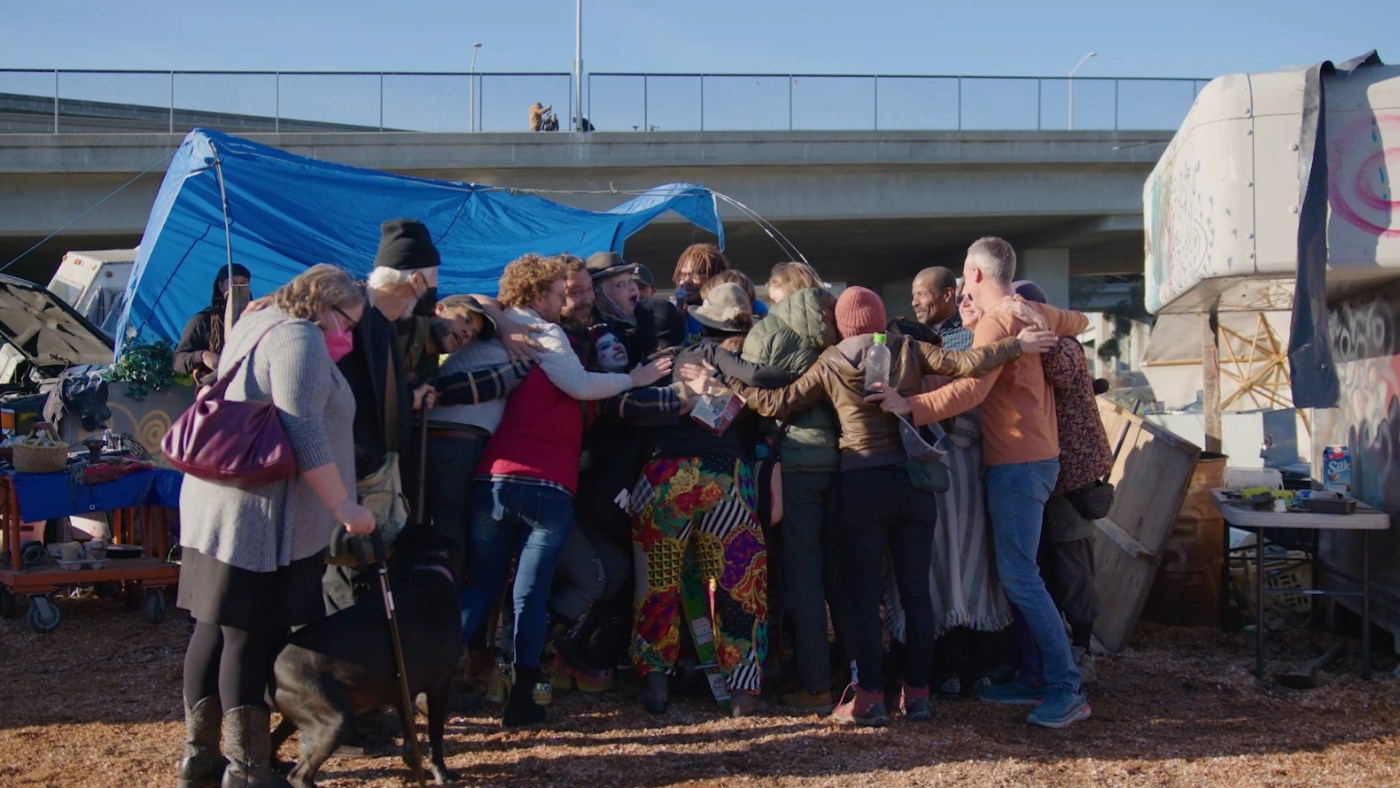
During a recent gathering in the camp, Barth witnessed a remarkable group hug involving approximately 15 to 20 people, including an injured woman and an elderly man using a walking staff. The atmosphere was light-hearted, with jokes exchanged and a local MC, Kev Choice, performing alongside an aerial dance company, Flyaway, in a show that transcended the often harsh realities of life on the streets.
Barth described the camp’s extensive infrastructure, which included systems for power and water, a “free” store, and even a health clinic. These facilities were established through collaboration between camp residents and their housed supporters, showcasing a community that thrived despite being marginalized. “One thing that’s apparent is the love that exists there,” said Monte, one of the camp’s leaders. “It’s infectious.”
The Reality of Homelessness
Barth’s immersion in the Bay Area’s homeless communities revealed a shared bond that resembles familial love. This connection is rooted in their collective struggle against societal challenges, including government interventions aimed at displacing them. Forced evictions, often justified as necessary measures, have devastating effects, dismantling the fragile security these communities have built and destroying personal belongings.
“Sweeps do not help us pull ourselves up by our bootstraps. It unquestionably pushes us down,” a camp resident remarked. The author highlighted the necessity of recognizing the humanity within these camps, suggesting that allowing them to exist might be a pragmatic approach rather than a radical one. There are ways to support the residents without resorting to bulldozing their makeshift homes.
Barth emphasizes the importance of community acceptance, as articulated by a resident named Dave. “Out here, I can cry and be pathetic or loud and angry, whatever I need to be,” he explained. The ethos of the camp fosters unconditional acceptance, which many residents find healing. “I would never be able to heal anywhere else,” he added.
This exploration of love and solidarity within homeless communities challenges prevailing narratives about homelessness and calls for a reevaluation of how society approaches the issue. Barth’s reporting, conducted from 2021 to 2023, sheds light on the complexities of life in these camps and the need for compassionate policies that prioritize human dignity.
As cities grapple with the ongoing homelessness crisis, the lessons from Oakland’s Wood Street camp serve as a reminder of the power of community, acceptance, and resilience in the face of adversity.