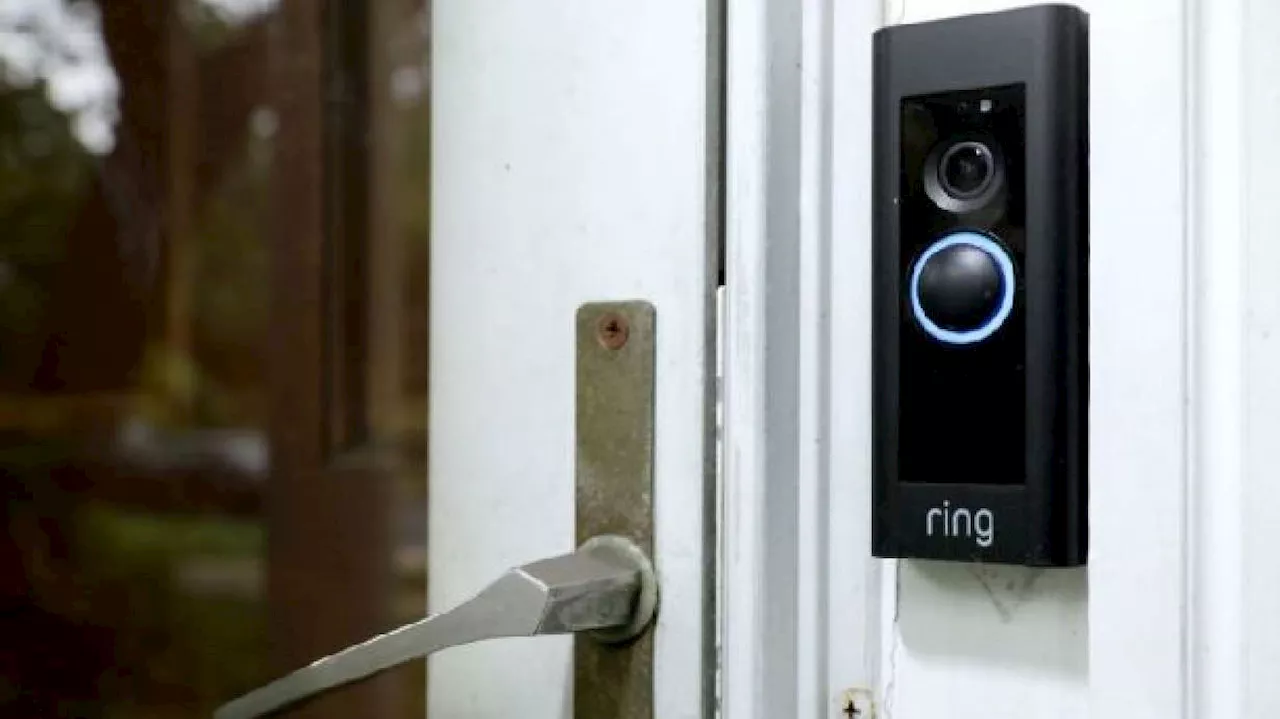
Home surveillance technology, particularly doorbell cameras, has garnered significant attention recently, raising important questions about privacy and security. In a discussion with KSL, local criminal defense attorney and legal analyst Clayton Simms highlighted the dual nature of these devices, emphasizing that while they provide convenience and security, they also compromise personal privacy.
The conversation follows notable instances of surveillance technology in action. For example, the FBI utilized “back-end systems” to obtain images of a suspect in the high-profile Nancy Guthrie case. Meanwhile, the company Ring has promoted its doorbell cameras for various uses, including its recent Super Bowl advertisement featuring a “search party” function designed to locate lost pets using artificial intelligence.
Simms pointed out that while doorbell cameras can deter crime and provide useful notifications, such as alerts for package deliveries, they also present potential risks. “We are participating in our own surveillance, through convenience, through security,” he stated. “There are good purposes, but there could also be bad purposes, and you lose your privacy and freedom, feeling like you are always being monitored.”
As privacy advocates voice their concerns, Simms noted the implications of the technology being used for more than just security. He suggested that the same network could potentially identify and track individuals, raising alarms for civil liberties. “You would think that’s the next step,” he observed, referring to scenarios where the technology could be employed to locate missing persons or even suspects in crimes.
The discussion also covered how the FBI accessed images of a suspect in the Guthrie case through the Nest platform, prompting questions about the information that home surveillance systems collect and how it can be accessed. “All of that is information that a big entity would have about you,” Simms remarked, underlining the importance of understanding the data implications of these technologies.
In response to growing privacy concerns, some advocates have recommended opting for cameras that store footage locally, thereby limiting data sharing. Nonetheless, Simms noted that users should remain informed about both the benefits and potential downsides of such devices. He highlighted that interconnected cameras can also provide crucial evidence that may exonerate individuals wrongfully accused of crimes.
With the rapid advancement of surveillance technologies and their widespread adoption, the balance between security and privacy remains a pressing issue. As more households integrate these systems, the conversation around their implications will likely continue to evolve.