As the New Year approaches, many people seek meaningful ways to celebrate and set intentions for the months ahead. One creative approach is to craft a floral arrangement that symbolizes individual hopes and aspirations. Rachel Bull, the Head of Gardens at Homes & Gardens, recently shared her insights on creating such arrangements in an episode of the weekly video series, Petals & Roots.
The process of selecting flowers can be overwhelming given the myriad of meanings associated with each bloom. Factors such as cultural significance, historical context, and personal resonance all contribute to the rich tapestry of floral symbolism. Bull emphasizes that while understanding the official meanings is fascinating, the primary goal should be to select flowers that evoke joy and happiness.
Steps to Crafting a Symbolic Floral Arrangement
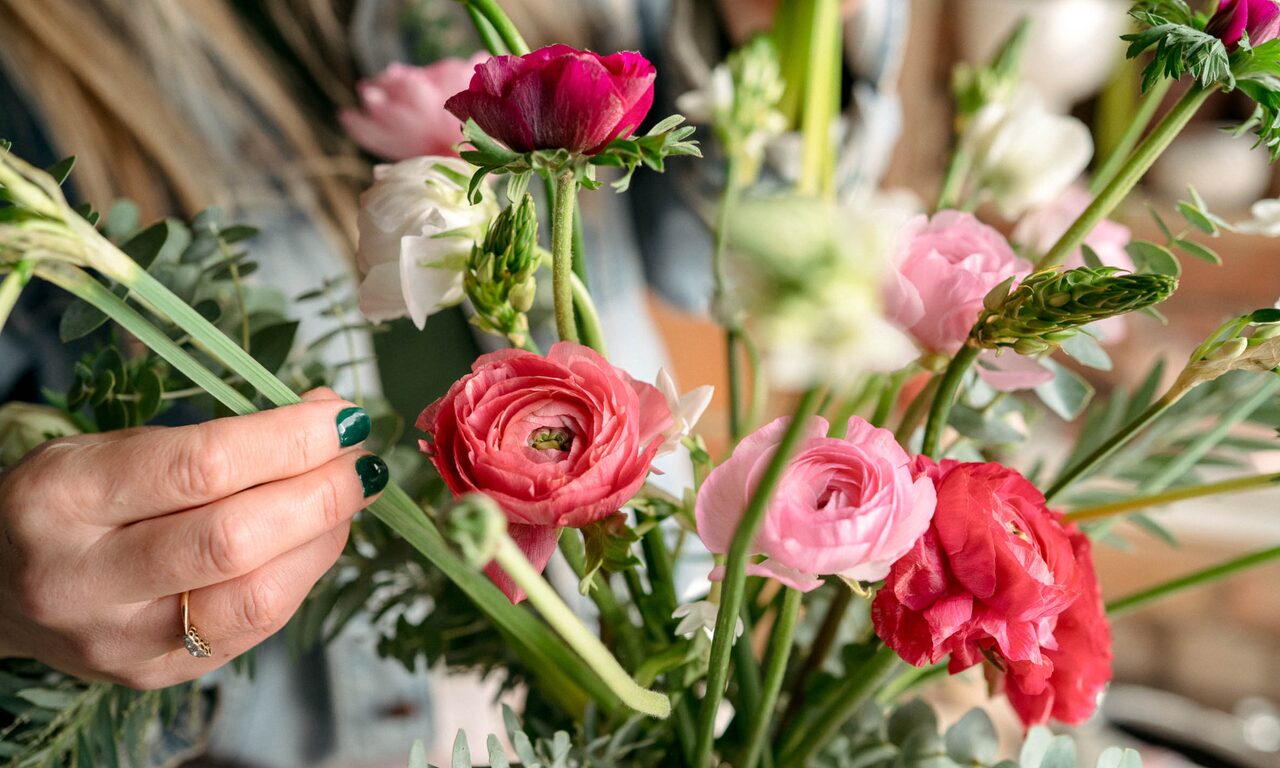
To create a floral arrangement, Bull recommends starting with a selection of fresh flowers, floral scissors, and a simple glass vase. For her New Year design, she chose an array of blooms including anemones, star of Bethlehem, ranunculus, narcissi, privet berries, and eucalyptus ‘baby blue’. Each flower was selected to embody feelings of hope, rejuvenation, and joy, sentiments Bull wishes to embrace in 2026.
The design process begins with foliage, which provides structural support. Bull opts for eucalyptus, known for its fresh scent and healing properties, making it a fitting choice as the New Year begins.
The star of Bethlehem, or Ornithogalum, was included for its association with hope. This flower symbolizes innocence and purity in the Victorian language of flowers, historically used in bouquets for significant life events such as weddings and christenings. Its tall, conical stems bloom slowly, reminiscent of a guiding star.
Anemones are another striking addition to the arrangement. Their black centers and delicate petals convey sincerity and represent themes of love, both given and lost. Notably, anemones close at night and reopen with daylight, echoing the anticipation and excitement of what the New Year may bring.
Next, Bull incorporates ranunculus flowers, which are celebrated for their charm and vibrant presence. Their ruffled petals invoke joy, enhancing the overall uplifting nature of the arrangement.
Narcissi follow, rich with mythological and cultural history. In Greek mythology, these flowers are tied to the tale of Narcissus, who fell in love with his own reflection. This flower represents renewal and new beginnings, making it a fitting choice for welcoming a new year. In Chinese culture, narcissi symbolize good fortune and prosperity.
Finally, Bull adds black privet berries, notable for both their color and meaning. While interpretations vary, they are generally associated with protection, complementing the overall theme of the arrangement.
Resources for Floral Arrangement Enthusiasts
For those interested in exploring the meanings behind floral symbolism further, Bull recommends Shane Connolly’s book, Discovering the Meaning of Flowers, as well as Jessica Roux’s Floriography, which delve into the Victorian language of flowers.
Bull’s passion for floral design is evident in her approach, blending aesthetic appeal with deep significance. By crafting floral arrangements that resonate on a personal level, individuals can embrace the New Year with intention and creativity. As Bull shares her knowledge through Petals & Roots, she invites everyone to explore the joy that flowers can bring into their lives.