Modern car design has evolved significantly over the past two decades, with trends shifting towards minimalism, ambient lighting, and sustainable materials. As consumers increasingly seek to personalize their vehicles, attention to interior features like the headliner has grown. While many car owners opt for aftermarket customizations such as new seats or steering wheels, re-trimming the headliner remains less common despite its substantial impact on the cabin’s overall feel.
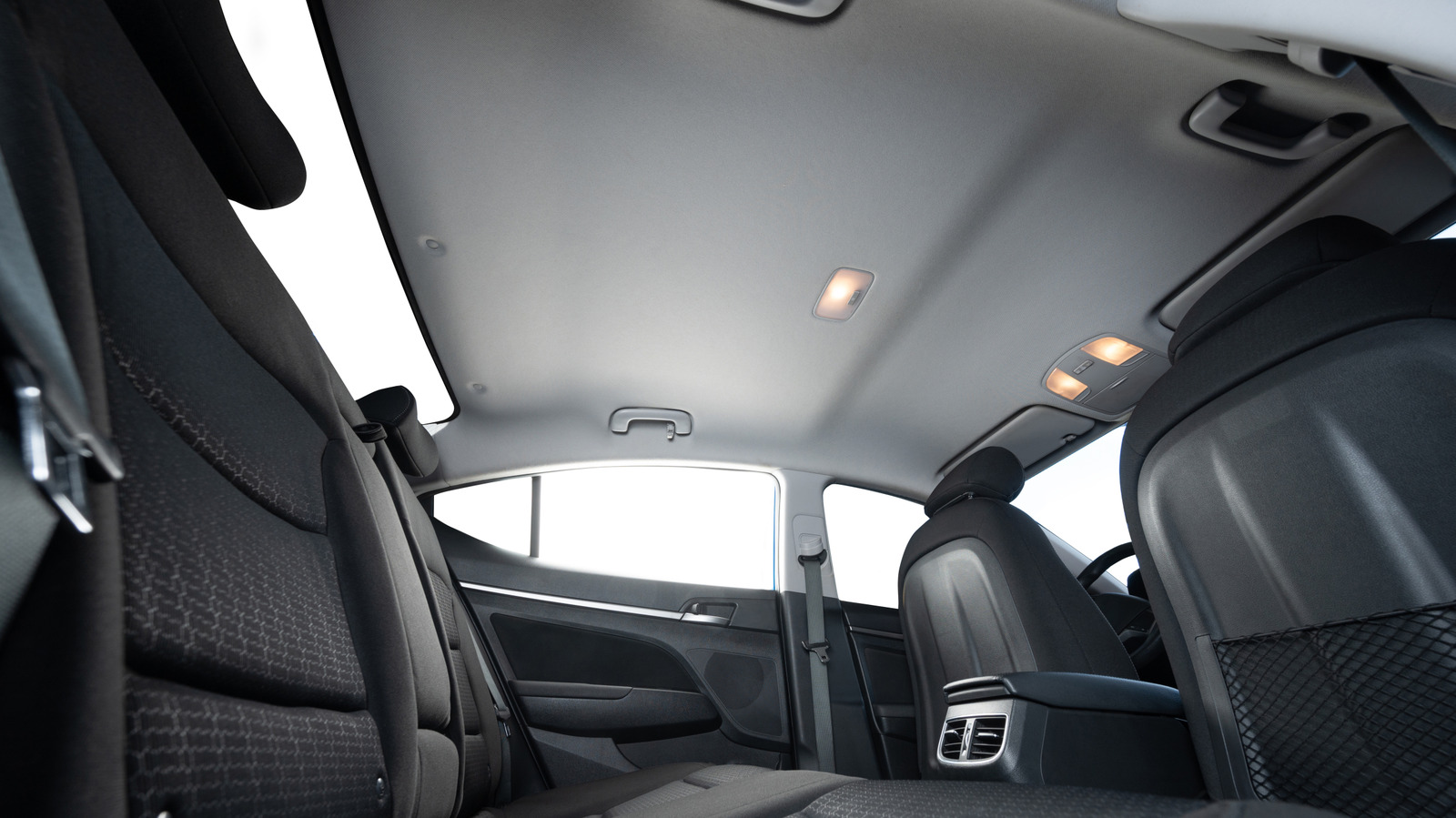
According to information from AutoZone, foam-backed fabric is the top choice for headliners due to its affordability, ease of installation, and factory-like appearance. However, a variety of materials such as vinyl, polyester, and suede each offer distinct advantages and drawbacks. Selecting the best option ultimately depends on individual budget, preferences, and priorities.
Exploring Headliner Options
The most widely used headliner material, fabric-backed foam consists of a laminated fabric layer adhered to the vehicle’s roof. This lightweight option can be easily stretched to minimize wrinkles. While it typically resists sagging in the short term, exposure to excessive heat can weaken the adhesive, leading to drooping. Despite this, foam-backed fabric remains the standard in most factory-installed headliners.
For vehicles frequently driven in humid climates or those that require durability, vinyl headliners are often a preferable alternative. Vinyl is known for its resilience, ease of cleaning, and resistance to weather-induced deformation. Consequently, it is particularly popular in convertibles and other vehicles that benefit from a robust roof material. On the downside, vinyl lacks the softness and sound-dampening properties of fabric, and repairs can be more challenging.
Suede and microsuede materials provide a luxurious tactile experience, making them suitable for high-end applications. True suede is typically more expensive, while microsuede offers a cost-effective alternative. Both materials can be difficult to install due to their less forgiving nature when it comes to stretching, and they may require more effort to maintain due to their rich textures.
Polyester, another synthetic option, offers durability and stain resistance at an affordable price point. It is available in a broad range of colors and textures, which can enhance customization. However, polyester headliners generally do not deliver the same level of softness or premium feel as fabric or suede options.
Maintaining Your Headliner
To keep your headliner in good condition, start by vacuuming to remove loose dirt. Follow this with a dry clean using a microfiber towel. Selecting cleaning solutions specifically designed for the material is crucial. Once the correct cleaner is obtained, spray it onto the headliner, brush it in gently, and allow it to dry before tackling tougher stains. Regular cleaning will prevent the buildup of unsightly marks.
Using a steamer can be effective, but it is essential to have experience to avoid damaging the material. Regardless of the material chosen, minimizing exposure to direct sunlight is advisable. Additionally, promptly addressing any leaks from windows, sunroofs, or windshields is crucial, as neglecting these issues can lead to moisture accumulation and mold growth.
Routine maintenance includes fixing minor problems such as sagging before they escalate. Vacuuming the headliner monthly, keeping hands away from it, using dehumidifiers, and avoiding untested cleaning solutions can all contribute to its longevity. Seasonal deep cleaning is also recommended, especially for lighter-colored headliners that may show wear more readily.
In conclusion, selecting the appropriate headliner material for your vehicle involves considering various factors, including durability, aesthetic appeal, and maintenance. By understanding the strengths and weaknesses of each option, car owners can enhance their driving experience while ensuring their interiors remain in top condition.