Valentine’s Day is traditionally marked by the exchange of roses, with hundreds of millions expected to be given on February 14. Yet the floral industry behind this romantic gesture carries significant environmental concerns, primarily due to its reliance on imported flowers. In response, several florists in Brooklyn are advocating for a shift towards seasonal blooms, emphasizing sustainability and local sourcing.
Suzanna Cameron, the founder of Stems Brooklyn in Bushwick, is at the forefront of this movement. She highlights the importance of understanding the journey of flowers from farm to vase. “I think about the people that were growing them, who cut these flowers, who packed them,” Cameron said, stressing the human impact behind each bloom.
The majority of roses sold in the U.S. are imported from Colombia, where they are produced inexpensively. This involves a fuel-intensive process involving refrigerated cargo planes, resulting in a substantial carbon footprint. John Dole, a horticultural science professor at North Carolina State University, noted that the low production costs in South America make imported roses the preferred choice for Valentine’s Day. “Valentine’s Day is in February, which favors the lower cost imported flowers,” he explained.
The demand for these imported flowers continues to rise. Agricultural specialists at Miami International Airport predict a record-setting year for inspections of cut flowers ahead of Valentine’s Day, expecting to surpass last year’s total of 1.3 billion stems.
In contrast, Cameron’s shop is promoting the tulip as a seasonal alternative through a campaign called “Kiss My Tulips.” By sourcing these flowers from a local New York farm, Stems Brooklyn significantly reduces its carbon footprint while offering customers a unique gift option.
Other florists, such as Julia D’Angelo of Fern Botanic in Astoria, Queens, are also focusing on sustainability. D’Angelo composts all floral waste from her arrangements and has made a conscious decision to avoid floral foam, a plastic material that can contribute to environmental harm. “The single-use material will be in a landfill forever,” she remarked, emphasizing the importance of eco-friendly practices in floral design.
Floral foam, made from phenol-formaldehyde plastics, poses a further risk as its toxic compounds can break down into microplastics, contaminating waterways and affecting marine life. Despite these challenges, D’Angelo maintains that avoiding foam has not hindered her business. “I don’t feel that we are hindered in our design capabilities at all,” she stated, noting that alternatives like chicken wire can effectively serve the same purpose.
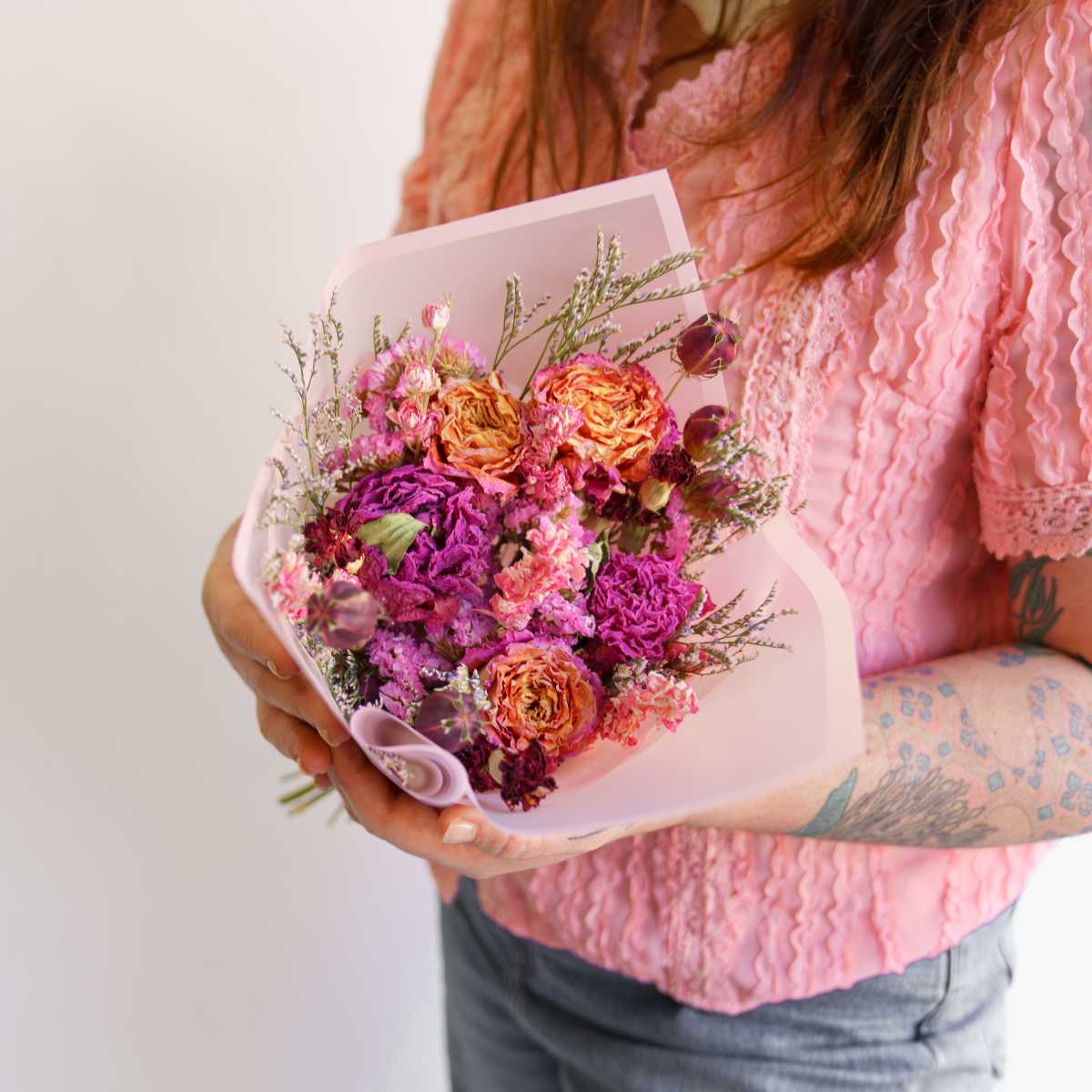
The arrangements crafted by these florists do not compromise on beauty or vibrancy. Molly Culver, owner of Molly Oliver Flowers in Sunset Park, incorporates seasonal flowers such as tulips, ranunculus, and anemones into her designs. Culver, who has a background in organic farming, is dedicated to supporting local growers and educating customers about the benefits of seasonal flowers.
“If we’re going to heal the Earth and work in concert with it, then seasonality is a really big part of it,” she emphasized. Culver also noted that certain flowers, like peonies, are not suitable for winter blooms in the region, reinforcing the importance of sourcing locally.
Dole confirmed that there are numerous beautiful flowers available during winter months, grown in energy-efficient greenhouses across the U.S. These include anemones, ranunculus, and sweet peas, providing consumers with a range of options that support local agriculture.
Cameron and her peers believe that choosing local and seasonal flowers enhances the meaning behind Valentine’s Day gifts. “It’s always just been about sharing love and connection with all kinds of people,” she said, reflecting the ethos driving this movement towards more sustainable floral practices. As consumers increasingly prioritize environmental responsibility, these Brooklyn florists are setting an example for how love can be expressed without compromising the planet.