Scientists at Yale School of Medicine have identified a significant molecular difference in the brains of individuals with autism compared to their neurotypical peers. This discovery, published in The American Journal of Psychiatry, may enhance understanding of autism and inform potential interventions.
Autism is characterized by a range of behavioral differences, including challenges with social interactions, intense interests, and repetitive movements or speech. Despite its prevalence, the specific neurological differences that underlie autism have remained largely unclear. The current study reveals that autistic individuals possess fewer receptors for glutamate, which is the brain’s primary excitatory neurotransmitter.
James McPartland, PhD, a leading researcher and Harris Professor of Child Psychiatry and Psychology at the Child Study Center at Yale, emphasized the importance of this finding. He noted, “We have found this really important, never-before-understood difference in autism that is meaningful, has implications for intervention, and can help us understand autism in a more concrete way than we ever have before.”
Understanding Brain Communication
Neurons communicate using electrical signals and chemical messengers known as neurotransmitters. This signaling can either be excitatory, prompting neurons to fire, or inhibitory, suppressing activity. A delicate balance between these two types of signaling is crucial for proper brain function. One prevailing hypothesis regarding autism suggests that an imbalance between excitatory and inhibitory signaling may contribute to the diverse characteristics observed in autistic individuals.
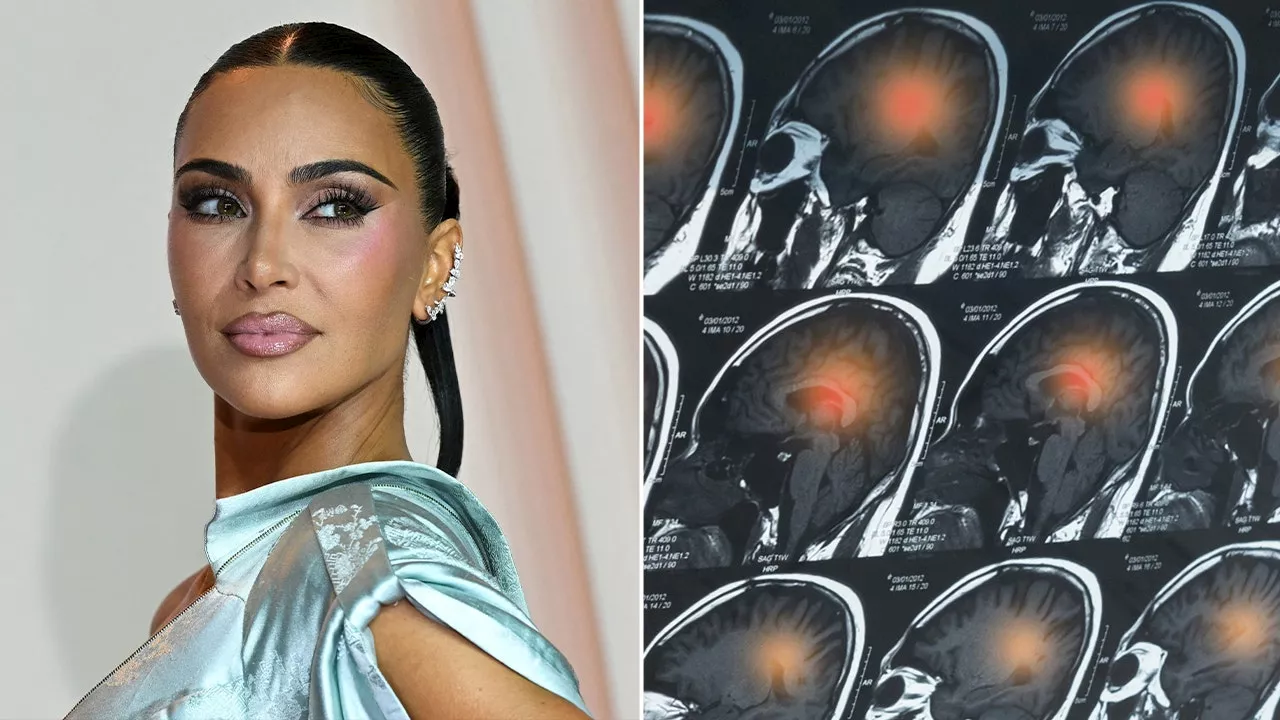
To explore this hypothesis, researchers employed magnetic resonance imaging (MRI) and positron emission tomography (PET) to analyze the brains of 16 autistic adults and 16 neurotypical individuals. MRI scans provided anatomical insights, while PET scans illuminated molecular activity in the brain. David Matuskey, MD, associate professor of radiology and biomedical imaging at Yale, explained, “PET scans can help us pinpoint a molecular map of what’s going on in this glutamate system.”
The analysis revealed a notable decrease in the availability of metabotropic glutamate receptor 5 (mGlu5) in the brains of autistic participants. This finding reinforces the theory that an imbalance in excitatory and inhibitory signals may be linked to autism-related traits.
Potential Clinical Implications
Fifteen of the autistic participants also underwent electroencephalogram (EEG) testing to measure electrical brain activity. The results indicated a correlation between lower mGlu5 receptor levels and specific electrical patterns. This connection presents significant clinical potential, as EEG could serve as a more accessible and cost-effective method to investigate excitatory functions in the brain.
“EEG isn’t going to completely replace PET scans, but it might help us understand how these glutamate receptors might be contributing to the ongoing brain activity in a person,” said Adam Naples, PhD, assistant professor in the Child Study Center at Yale and the study’s first author.
The implications of this research extend beyond understanding autism. Currently, there are no medications specifically designed to treat the challenges faced by many autistic individuals. Findings from this study could aid in developing targeted therapies aimed at the mGlu5 receptor, potentially improving the quality of life for those who experience significant symptoms.
Future Directions of Research
The study primarily focused on autistic adults, leaving open questions about whether the reduced receptor availability contributes to autism or is a consequence of living with the condition over time. Previous research using PET scans has largely been confined to adults due to radiation exposure risks, but McPartland and his colleagues are now exploring advanced techniques to minimize this exposure.
Looking ahead, the research team plans to apply these innovative methods in studies involving children and adolescents. “We want to start creating a developmental story and begin understanding whether the things that we’re seeing are the root of autism or a neurological consequence of having had autism your whole life,” McPartland explained.
The research also aims to include individuals with intellectual disabilities in future studies, broadening the scope of understanding within the autism spectrum.
This groundbreaking study represents a step forward in uncovering the biological underpinnings of autism, paving the way for improved diagnostic tools and therapeutic strategies tailored to the needs of autistic individuals.