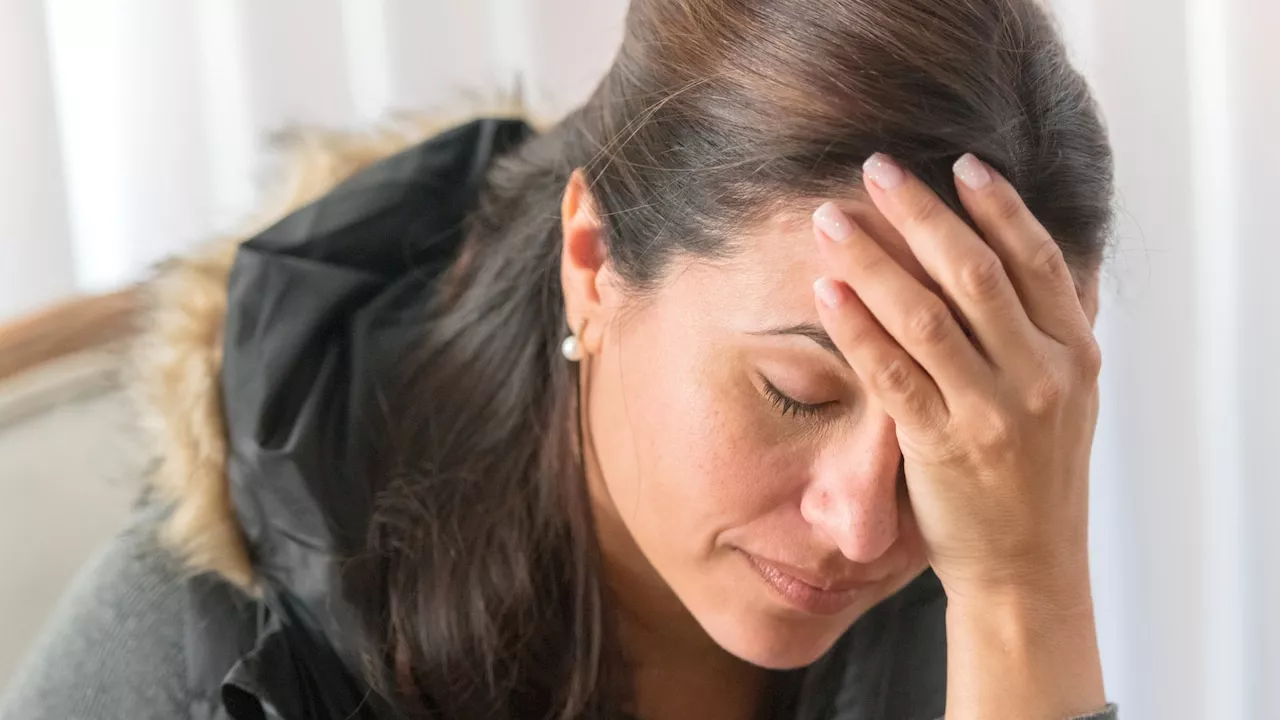
A woman recovering from cancer is grappling with unexpected emotional challenges as her hair grows back in a curly texture. After undergoing treatment last year, she has faced a barrage of comments regarding her new hairstyle, which serve as painful reminders of her health battle. Despite her recovery, she finds herself struggling to feel normal again as she navigates these unsolicited remarks.
In her quest for support, she has confided in others about her discomfort. “It’s a painful reminder when I’m trying to feel normal again,” she expressed. The comments, often perceived as compliments, come from various individuals, including fellow churchgoers and gym members. Many do not realize the emotional toll their remarks can take.
One woman at the gym persisted in commenting on her hair daily, even after the woman asked her to stop. The situation escalated to the point where she felt overwhelmed and eventually broke down in tears. She now anticipates it will take up to two years for her hair to grow long enough for her to feel comfortable with her appearance again.
Judith Martin, known as Miss Manners, addressed this issue in her column. She highlighted the difficulty of changing people’s behavior when it comes to commenting on physical appearances. “Unfortunately, there is no legal way to stop foolish people from informing others how they look,” she stated.
Martin noted that often, individuals who make such comments believe they are offering compliments. Many might not understand the impact of their words, even when confronted. She advised that a silent, humorless stare might deter further comments but acknowledged that retraining those who consistently comment on appearances is a challenging task.
As the woman seeks strategies to cope with the ongoing remarks, the experience serves as a broader commentary on societal norms regarding physical appearances and the importance of sensitivity towards those who have faced health challenges. For many, the journey to recovery is not just physical but emotional as well, and understanding from others can make a significant difference.
Ultimately, the woman’s story emphasizes the need for compassion and awareness in our interactions, particularly with those who have overcome significant life challenges.
For those who have faced similar situations, open dialogue about feelings and experiences may help foster understanding and support in their communities.