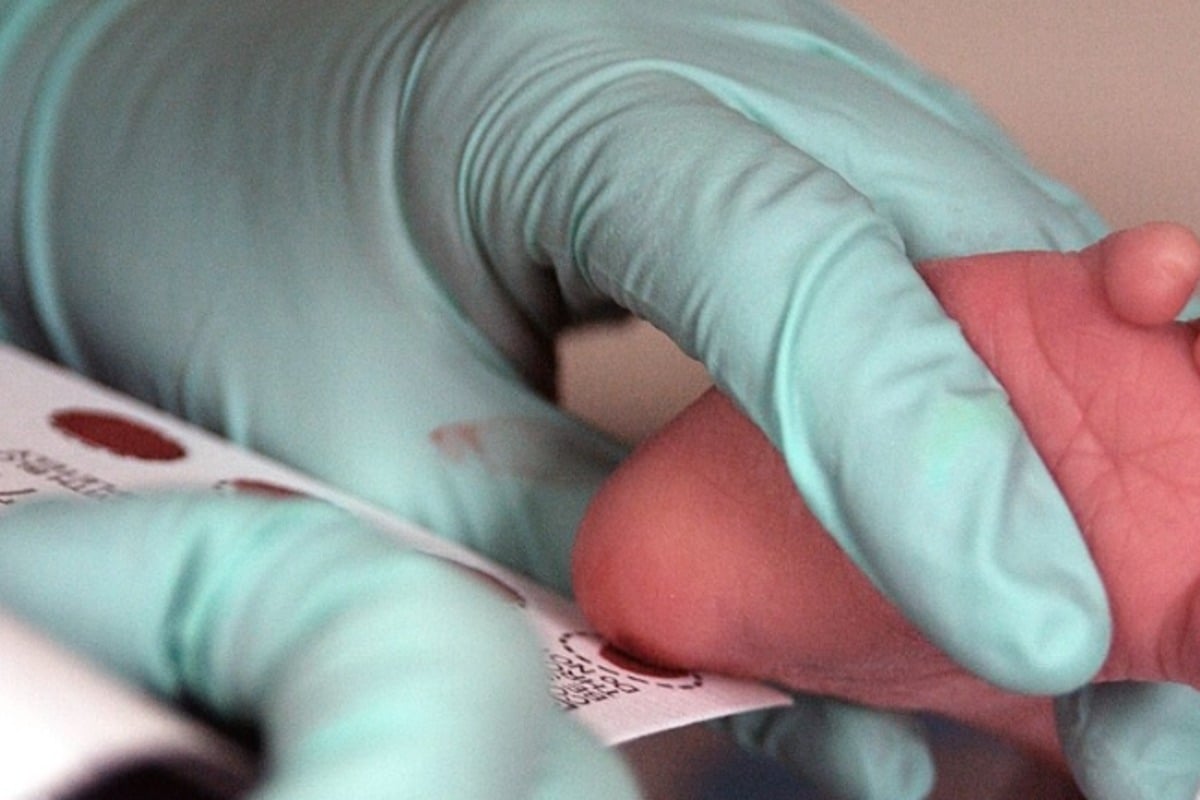
Wisconsin health officials are advancing plans to include Krabbe disease in the state’s newborn screening panel. This initiative aims to prevent future tragedies like the death of Collin Cushmann, who passed away in 2019 after a late diagnosis of the condition. The proposal is currently undergoing formal rule-making, but laboratory setup and policy implementation may delay testing for several months, possibly extending to two years.
The push to add Krabbe testing is a significant step for Wisconsin families. Kevin Cushmann, Collin’s father, expressed mixed emotions about the change, stating, “It’s a little bittersweet, because it’s my last tie to the living Collin.” The Cushmann family has advocated for this addition since 2015, highlighting the urgent need for timely detection of this devastating disorder.
Rule-Making Process and Timeline
According to the Wisconsin Department of Health Services, the rule is progressing under Chapter DHS 116 as Clearinghouse Rule CR 25‐086. The department’s administrative rules page outlines the proposed rule text, analysis, and information regarding public hearings. A public comment period is part of the rule-making process, and once finalized, implementing the new screening will involve laboratory setup and clinical follow-up pathways, which could take up to two years.
The addition of Krabbe disease would increase Wisconsin’s newborn screening program from 50 to 51 conditions. This disorder, a rare inherited leukodystrophy, primarily affects infants, with an estimated occurrence of one in 100,000 births, according to the Orphanet Journal of Rare Diseases. Early detection is crucial, as the only disease-modifying treatment for infantile Krabbe—hematopoietic stem cell transplant—works best when administered before the infant reaches four to six weeks of age. This critical timeframe emphasizes the importance of newborn screening and rapid follow-up testing, as noted in research published by PubMed Central.
Expectations for Families
Currently, Wisconsin’s newborn screening program identifies 50 conditions. Once procedures are established, Krabbe disease will be included, enhancing the state’s public health safety net. Experts recommend a two-tier testing approach that involves an initial GALC enzyme assay followed by psychosine measurement. This strategy aims to reduce false positives while ensuring urgent cases are identified swiftly, according to findings from ScienceDirect.
For parents interested in the upcoming changes, the Department of Health Services has made available documents, proposed rule texts, and instructions for public comments on their administrative rules site. This site includes contact information for the Birth Defect Prevention and Surveillance Program and provides essential resources such as fact sheets and FAQs regarding abnormal screening results, confirmatory testing procedures, and referrals for specialized care.
As Wisconsin takes steps toward improving early detection of Krabbe disease, the hope remains that future families will benefit from timely diagnoses, sparing them from the heartache experienced by the Cushmann family.