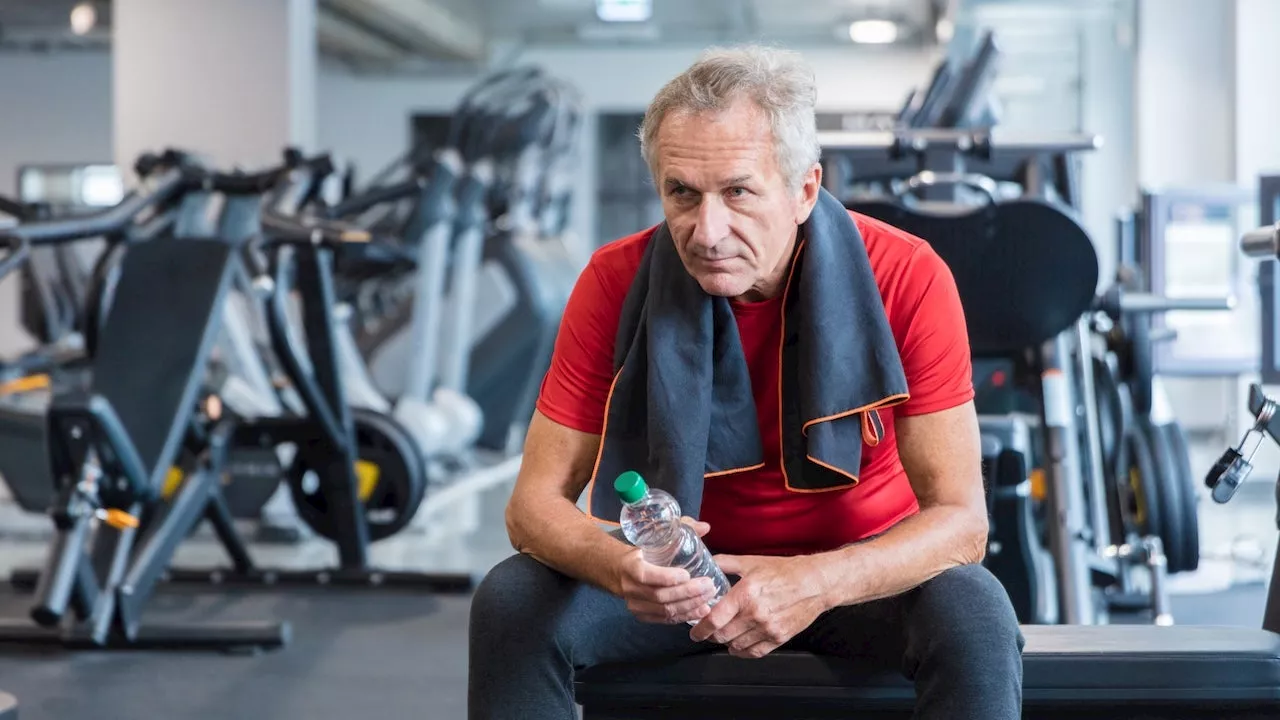
A comprehensive study has found that measurable declines in physical fitness and strength commence as early as age 35. Conducted over nearly five decades, the research highlights that these declines continue steadily through midlife, contradicting the common perception that physical deterioration is primarily an issue of old age.
The study, based on the Swedish Physical Activity and Fitness cohort initiated in 1971, monitored the fitness levels of participants born in 1958. Researchers from the Karolinska Institutet tracked 427 individuals, a balanced mix of men and women, through repeated testing over a span of 47 years.
Using advanced models, the research team assessed age- and sex-specific changes within the cohort, allowing for a detailed analysis of individual performance rather than relying solely on age group comparisons. Follow-up examinations took place at various stages throughout adulthood, enabling the researchers to observe how physical fitness evolved over time.
Participants underwent standardized physical testing, including assessments of aerobic fitness, muscle strength, and physical activity habits. Aerobic capacity was measured by evaluating peak oxygen uptake, while muscle strength and endurance were assessed through tests such as grip strength and repetitive movement tasks. Basic physical metrics, including height and weight, were also recorded.
The findings reveal a clear trend: physical performance peaks during early adulthood and begins to decline around the mid-30s. This trend was consistent across various measures, including aerobic fitness and muscle strength, persisting into later adulthood. Notably, those who maintained regular physical activity exhibited higher overall fitness levels, but even active individuals could not completely avert age-related decline.
Interestingly, participants who increased their activity levels later in life experienced improvements in physical capacity ranging from 5% to 10%. This suggests that the body remains responsive to exercise well beyond its peak years, emphasizing the importance of sustained physical activity throughout life.
While the study provides valuable insights, researchers acknowledged certain limitations. The cohort consisted exclusively of individuals born in the same year and residing in Sweden, which may restrict the applicability of findings to more diverse populations with differing social, environmental, or genetic backgrounds. Additionally, the long-term nature of the study resulted in some participant dropouts, potentially skewing the results. Physical performance was measured at specific intervals, which means short-term fluctuations between testing periods were not captured.
As physical activity correlated with better outcomes, researchers noted that the observational nature of the study may have left out other influential factors such as diet, occupational demands, or pre-existing health conditions.
The research has been published in the Journal of Cachexia, Sarcopenia and Muscle, and the team plans to continue monitoring the cohort as they age. Their goal is to establish connections between changes in physical capacity and health outcomes later in life, furthering understanding of how to maintain fitness and well-being throughout the aging process.