Choosing a tattoo represents a significant psychological and physical commitment, often accompanied by both excitement and anxiety. Selecting a meaningful quote or name can quickly turn into worry about how it will appear on the skin. This concern is particularly pronounced with typography-based tattoos, where flow, alignment, and legibility are critical. The human body is not a flat surface; it features curves, muscles, and varying skin textures that can distort images and text.
As a digital analyst, I recognize this scenario as a classic point of friction that can lead to regret. In the realm of digital marketing, we use A/B testing and heatmaps to predict user success. When it comes to tattoos, a similar approach can be applied through what is referred to as a “stress test.”
Utilizing Dynamic Tools for Tattoo Design
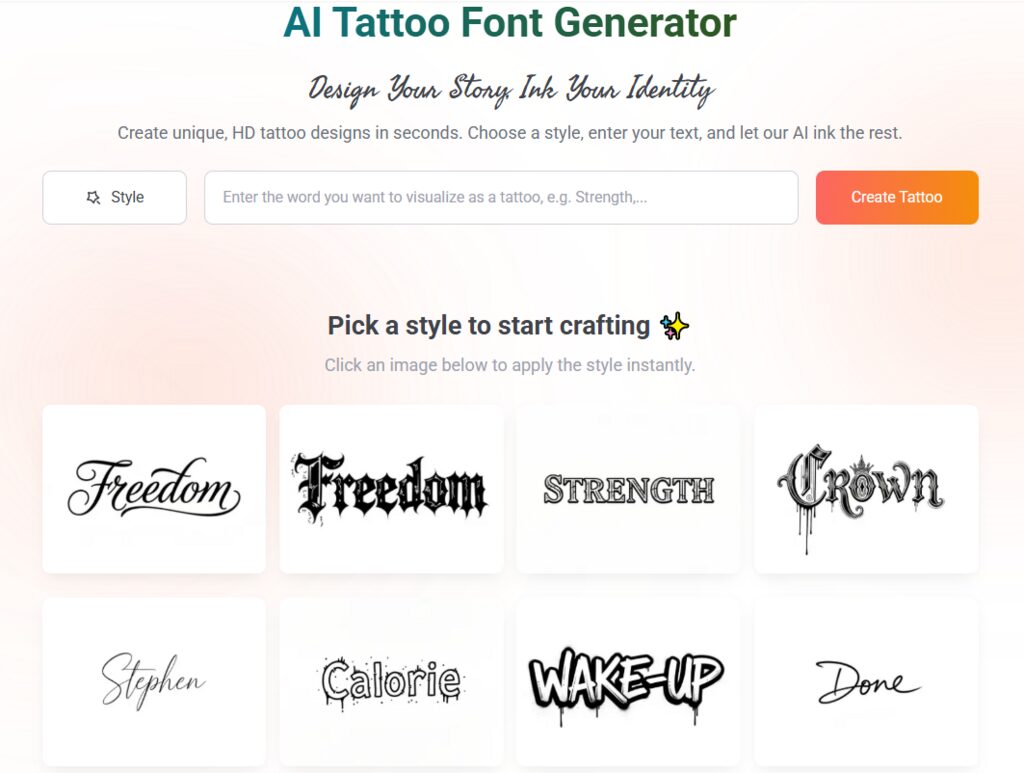
To mitigate “ink regret,” individuals can benefit from using a professional tattoo font generator, which serves not merely as a repository of fonts but as a dynamic prototyping tool. By virtually stress-testing designs before getting inked, individuals can transition from uncertainty to confidence.
Many individuals err by selecting fonts based solely on two-dimensional previews. Typically, they type their preferred text into a basic word processor, print it, and present it to the tattoo artist. This method fails to account for the movement and elasticity of human skin, which can result in tattoos appearing cramped or misaligned. A quality tattoo font generator enables users to move beyond these static limitations. It offers high-resolution, transparent assets that facilitate a “virtual fitting.”
For example, a rigid geometric font might look out of place on a muscular shoulder, while a fluid, elongated script may beautifully complement the contours of the body. Engaging with a generator to explore these variations is akin to conducting a “dry run” for the final design.
Conducting a Movement Simulation
One innovative feature of tattoo font generators, such as those available on platforms like Refont, is the ability to simulate skin movement. The way a tattoo looks can change dramatically depending on the position of the body. For instance, the text on a wrist will appear different when the hand is open versus when it is gripping an object. A delicate font could become faint or broken due to skin stretching, while a bold font might compress the letters together.
The first step in this process involves exporting the desired text from the generator as a high-resolution PNG with a transparent background. This allows for easy overlay onto a real photo of the intended tattoo area, avoiding unsightly white backgrounds. Next, it is essential to take high-quality photographs of the area from various angles—flexed, relaxed, and turned. By overlaying the transparent design onto these images, users can assess how the text interacts with their skin.
The final stage involves analyzing how the letters behave during movement. For example, if the letter “L” in a quote disappears into the elbow crease when bending the arm or if the letter “S” stretches when twisting the torso, adjustments are needed. This “pressure test” ensures that the text maintains its integrity, prompting users to revisit the generator to fine-tune letter spacing or select a more suitable font.
The principles of Experience, Expertise, Authoritativeness, and Trust (EEAT) apply to this process. Users should not rely on random free font sites that do not account for the specific demands of tattoo ink. A specialized tattoo font generator understands factors like ink spread and needle precision, providing options that are viable for tattoo artists.
By virtually experiencing the tattoo through digital overlays, users can make informed design decisions. Utilizing a professional tool ensures the selected font is typographically sound, enhancing both aesthetic appeal and practicality. Trust is established when the final tattoo matches the envisioned design, reducing the risk of dissatisfaction.
Ensuring Longevity and Clarity
In addition to immediate visual appeal, attention must be paid to long-term clarity. As a digital analyst focusing on lifetime value, it is crucial to consider how tattoos will age. Fine-line scripts are currently trending but are also prone to blurring over time. Within the tattoo font generator, users can perform a “Blur Test.” By slightly squinting at the screen, they can determine if the letters merge into a single line, indicating that they are too close together. Adjustments can then be made to increase spacing and enhance clarity.
A design that successfully passes the digital “pressure test” today is more likely to remain readable and elegant years down the line. This proactive approach transforms the generator from a mere font list into a comprehensive design consultant, facilitating informed discussions with tattoo artists.
Instead of simply requesting a specific quote, individuals can articulate that they have tested a particular font weight and spacing on their body, demonstrating preparedness that is respected by professionals and leads to better collaborative outcomes.
In conclusion, the journey to achieving a perfect tattoo is greatly enhanced by digital preparation. In an age where powerful tools like tattoo font generators are readily available, there is no reason to enter a tattoo studio without confidence. By exporting designs, overlaying them on actual skin, and stress-testing them against human movement, individuals can eliminate uncertainty. They are not merely choosing a font; they are engineering a successful aesthetic that flows with their body, respects anatomical contours, and endures the test of time. Treating one’s skin with the respect it deserves ensures that the final tattoo will be a masterpiece from every angle for a lifetime.