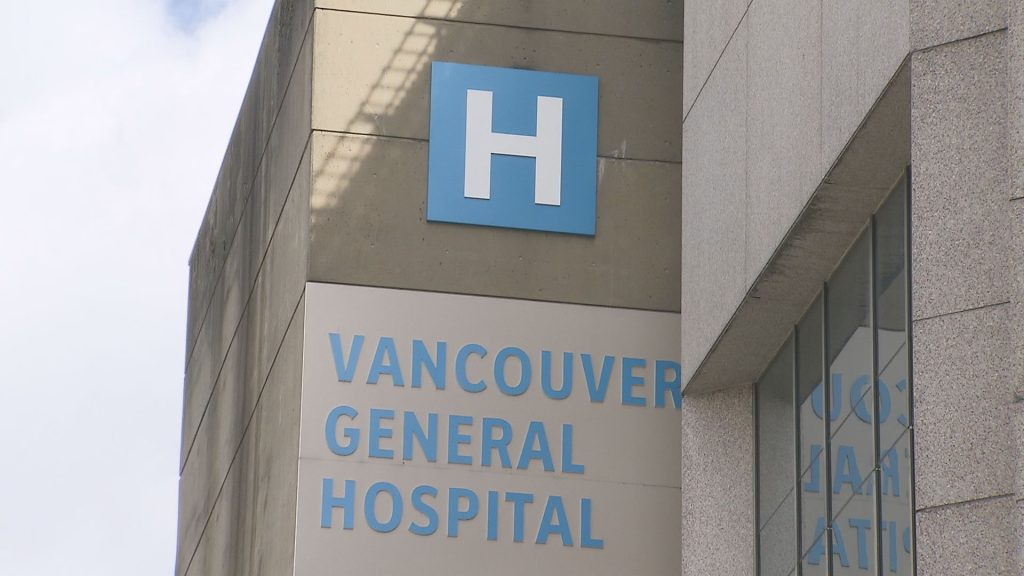
Research conducted by the Veterans Affairs Portland Health Care System has revealed that a single dose of the respiratory syncytial virus (RSV) vaccine offers significant but temporary protection against RSV infections. The study focused on US veterans aged 60 years and older and evaluated the effectiveness of the vaccine across two respiratory illness seasons.
The findings indicate that while the vaccine initially reduced RSV infections, along with related emergency visits, hospitalizations, and admissions to intensive care units, the protective effects began to decline over an 18-month period. Notably, the decrease in protection was most pronounced among individuals with weakened immune systems.
Details of the Study
In this comprehensive analysis, researchers monitored the health outcomes of veterans who received the RSV vaccine, tracking various metrics related to RSV infection rates. The study highlights that the vaccine’s efficacy is particularly critical for older adults, who are at a higher risk of severe respiratory illnesses.
During the first respiratory illness season after vaccination, the vaccine demonstrated robust effectiveness, significantly reducing the incidence of RSV-related complications. However, as time progressed, the immunity generated by the vaccine diminished, emphasizing the need for ongoing research into booster doses or alternative vaccination strategies.
The study’s results underscore the challenges faced in managing RSV, especially among vulnerable populations. As individuals age or if they have compromised immune systems, their ability to combat respiratory infections decreases, making the role of vaccines even more vital.
Implications for Future Vaccination Strategies
The waning immunity observed in this study raises important questions for public health officials and healthcare providers. It suggests that a single dose may not provide long-term protection for older adults and immunocompromised individuals, who are particularly susceptible to the virus.
Health experts are now calling for further investigations into the potential benefits of booster vaccinations for these populations. As RSV remains a significant contributor to morbidity and mortality in older adults, establishing a more effective vaccination schedule could be crucial in preventing severe outcomes.
The findings from the Veterans Affairs Portland Health Care System study contribute to the growing body of evidence surrounding the RSV vaccine and its implications for public health. As the research community continues to explore the best strategies for combating RSV, the focus remains on protecting those most at risk, ensuring that effective measures are in place to reduce the burden of respiratory illnesses in the aging population.