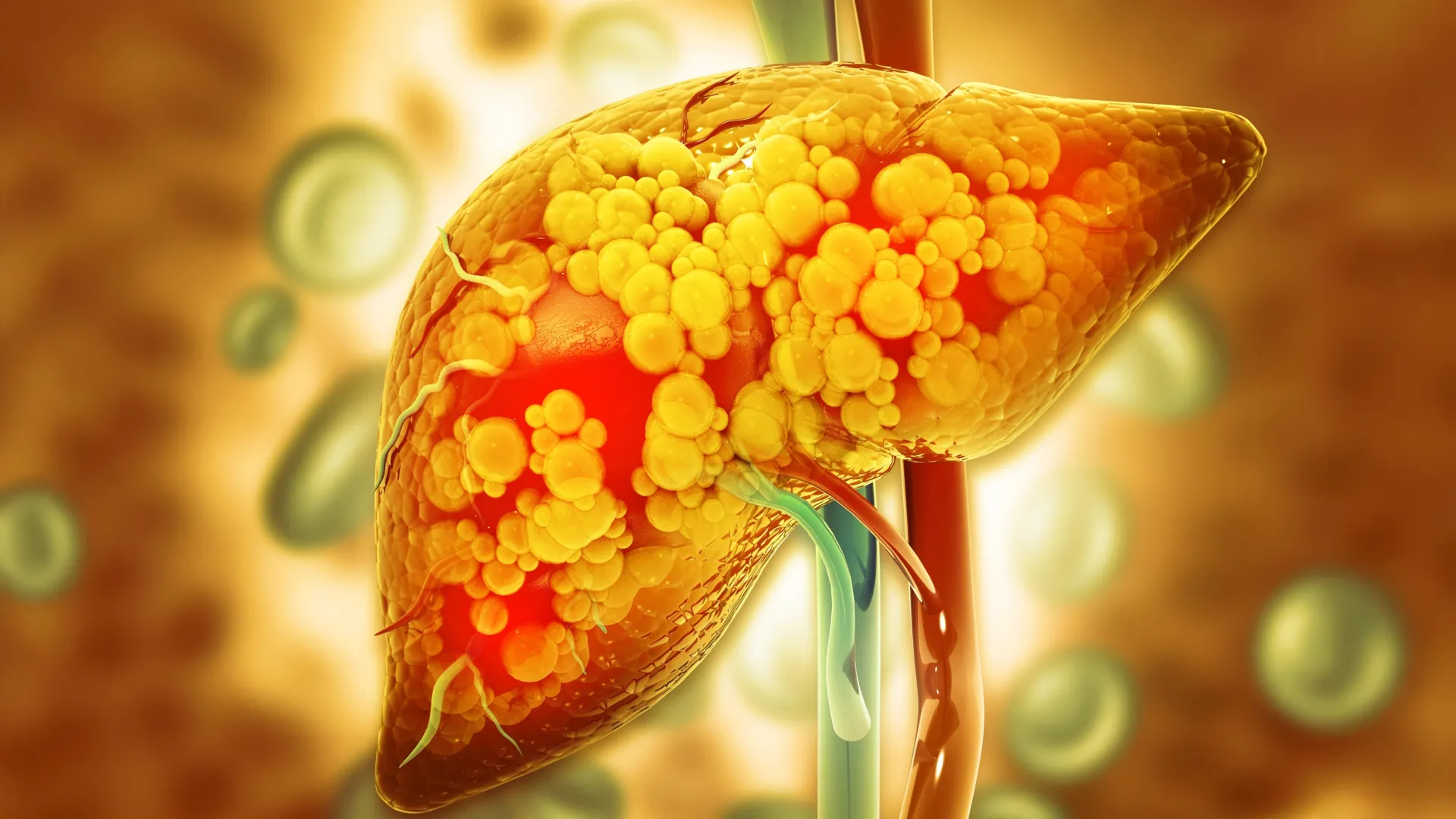
Research from the University of Oklahoma has revealed that a natural compound produced by beneficial gut bacteria can significantly reduce the risk of fatty liver disease in offspring, potentially countering the effects of unhealthy maternal diets during pregnancy. Published on February 8, 2026, this study highlights the protective role of the compound, known as indole, in promoting liver health and metabolic function.
The findings indicate that children whose mothers consume a diet high in fat and sugar are at a greater risk for developing fatty liver disease later in life. This concern is particularly relevant given that fatty liver disease, specifically metabolic dysfunction-associated steatotic liver disease (MASLD), can advance more rapidly in children compared to adults. According to Jed Friedman, Ph.D., director of the OU Health Harold Hamm Diabetes Center, around 30% of children with obesity and 10% of those without obesity are affected by MASLD.
Research Methodology and Key Findings
Led by Friedman and Karen Jonscher, Ph.D., the research team conducted experiments using pregnant and nursing mice. The subjects were fed a high-fat and high-sugar diet, mimicking a typical Western diet. Some of the mice were also given indole. After weaning, the offspring were placed on a standard diet before transitioning to a Western-style diet designed to encourage fatty liver disease development.
The results were striking. Offspring born to mothers that received indole exhibited healthier livers, less weight gain, lower blood sugar levels, and smaller fat cell sizes, even when later exposed to unhealthy diets. The researchers noted that indole activated a protective gut pathway involving the acyl hydrocarbon receptor (AHR), which contributed to these health advantages.
In an additional experiment, gut bacteria from the protected offspring were transferred to other mice that had not received indole. These recipient mice also showed reduced liver damage, underscoring the microbiome’s critical role in liver health.
Implications for Future Health Strategies
While the study’s findings are based on animal models and cannot be directly applied to humans, they suggest promising avenues for early prevention of MASLD. Currently, weight loss remains the only effective treatment for pediatric MASLD once the disease is established, and there are no approved medications available for treatment.
Jonscher emphasized the potential for improving maternal microbiome health as a preventive strategy. “Anything we can do to improve the mother’s microbiome may help prevent the development of MASLD in the offspring,” she stated. This proactive approach could significantly reduce the incidence of this silent disease, which often goes undiagnosed until serious symptoms arise.
As research continues to explore the intricate relationship between maternal diets, gut health, and long-term liver outcomes, these findings highlight the importance of nutrition during pregnancy. Understanding and enhancing the gut microbiome may offer a pathway toward healthier futures for children at risk of metabolic disorders.