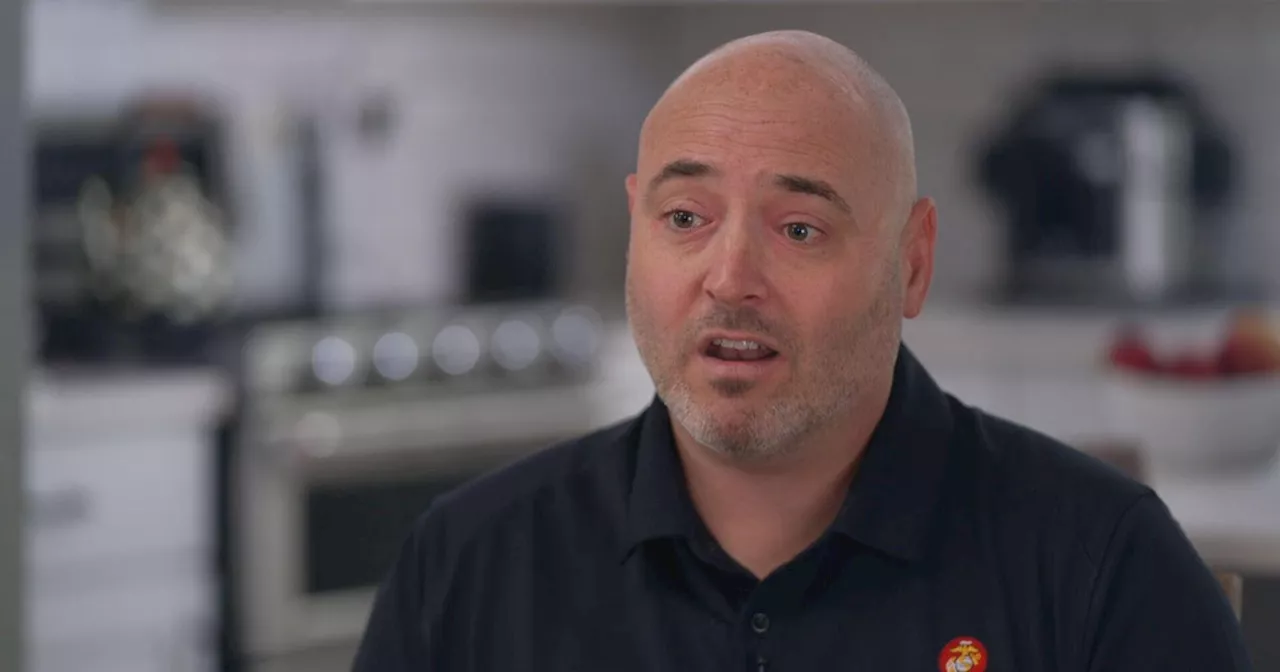
In an increasingly polarized world, the way individuals consume media can significantly impact their understanding of political and social issues. Rich Howell, a resident of Nevada City, emphasizes the importance of a disciplined approach to media consumption, likening it to maintaining a healthy diet. By prioritizing quality over quantity, individuals can enhance their mental and political health, making informed decisions rooted in their core values.
Howell asserts that just as a well-organized kitchen can foster healthy eating habits, a mindful selection of media can lead to better-informed citizens. He warns that a media landscape filled with sensationalism and partisan rhetoric often leads to emotional responses rather than thoughtful engagement. “Media offers quick hits of fear, rage, and partisan spin,” Howell notes, suggesting that these tactics can manipulate audiences and divert attention from substantive issues.
Building a Foundation of Critical Thinking
Howell advocates for a more scientific approach to media consumption. He encourages individuals to act like scientists, gathering “data” from various sources, then critically evaluating its relevance and alignment with their own values. This method helps cultivate a deeper understanding of political candidates and their platforms.
He expresses frustration with the use of broad, often misleading terms such as “liberal,” “conservative,” “leftist,” and “right-wing,” which he believes detract from meaningful discourse. “These folks have been taken over by media propagandists divorced from concrete issues,” Howell states. He urges citizens to move past such labels and focus on the actions and policies of candidates and parties.
By researching and evaluating the specific actions of political figures, individuals can develop a more nuanced perspective. Howell emphasizes the importance of owning one’s thoughts, cautioning against the relinquishment of critical thinking to sensationalist media narratives. “Do you own your thoughts, or have you given your brain over to media?” he asks, highlighting the need for personal accountability in media consumption.
Making Informed Choices
In a media environment saturated with noise, Howell suggests that individuals should filter out irrelevant information that does not pertain to their daily lives. He advocates for engagement with issues that resonate with personal values and promote a deeper understanding of societal challenges. This selective approach not only enhances knowledge but also empowers citizens to act in alignment with their values.
In conclusion, Howell’s call for a healthy media diet underscores the necessity of thoughtful engagement in today’s fast-paced information landscape. By prioritizing quality media consumption and focusing on concrete issues, individuals can foster a more informed and engaged citizenry capable of making decisions that reflect their true values. The responsibility lies with each person to cultivate a discerning approach to the media they consume, ultimately contributing to a healthier political discourse.