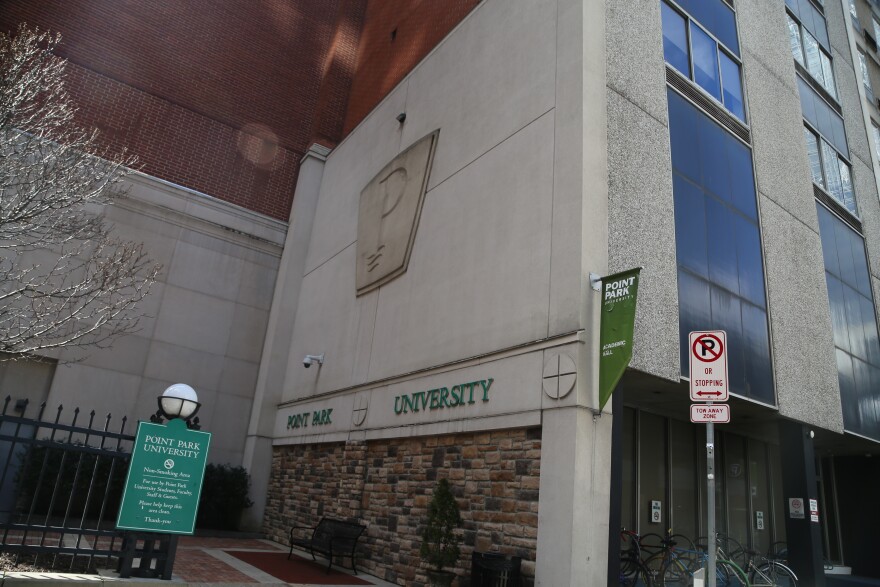
Point Park University is taking significant steps to improve emotional support for grieving families through its funeral services program. The university has partnered with the Highmark Caring Place, a nonprofit organization dedicated to aiding grieving children and their families, to provide specialized instruction for students on how to support families during the funeral process.
Starting in the upcoming semester, students in the funeral services program will receive mentorship from mental health experts. This collaboration aims to equip them with the necessary skills to assist families beyond mere funeral arrangements. As Becky Spritz, dean of the School of Arts and Sciences, explained, there are common misconceptions regarding discussions about grief with children. She noted, “We know that involving children and teens and even young adults in the process of the funeral service is a really important part of their grieving and their understanding.”
The partnership will enable students to learn about the developmental aspects of grief and how a child’s comprehension of death evolves over time. The course, which Spritz teaches, will incorporate training from experts at the Caring Place. This training will address cultural differences surrounding death and dying and explore the neurobiological processes of grief.
Students will also have opportunities to volunteer at the Caring Place’s downtown facility, enriching their educational experience. This hands-on approach aims to enhance their understanding of the supportive services available, including peer support groups that connect children experiencing similar losses.
According to Catrice Moffett, program director at the Highmark Caring Place, the collaboration with Point Park is a valuable opportunity to raise awareness about the free services the nonprofit offers. Moffett emphasized that funeral directors are in a unique position to recommend these services, as they often work closely with families during the initial stages of grief. “That grief process is actually only beginning during the funeral preparations,” she stated. “So where do you point them and how do you be that funeral director that’s able to humanize this experience?”
The mental health skills that students will acquire are not only beneficial for their professional roles but may also offer personal advantages when they face loss in their own lives. Spritz expressed her excitement about the potential impact of this partnership, noting that it positions students to provide a holistic style of support that transcends traditional funeral preparation.
“It’s a very unique role that a funeral director plays in the life and death of someone in a family,” Spritz explained. “They can offer those perspectives gently and gracefully and encourage families to pursue different ways of exploring their grief.” Moffett added that this evolution in the role of funeral directors reflects the compassion that many individuals entering the field possess.
As the program develops, Spritz hopes to see a shift in funeral preparations within the region, integrating mental health support into the process. “For them, it’s really about giving back to the families,” she said. “It’s about creating a powerful, meaningful experience.”
This initiative at Point Park University represents a progressive approach to funeral services, recognizing the importance of emotional support during one of life’s most challenging times. By focusing on the needs of grieving families, the university is preparing its students to meet both the logistical and emotional demands of their future profession.