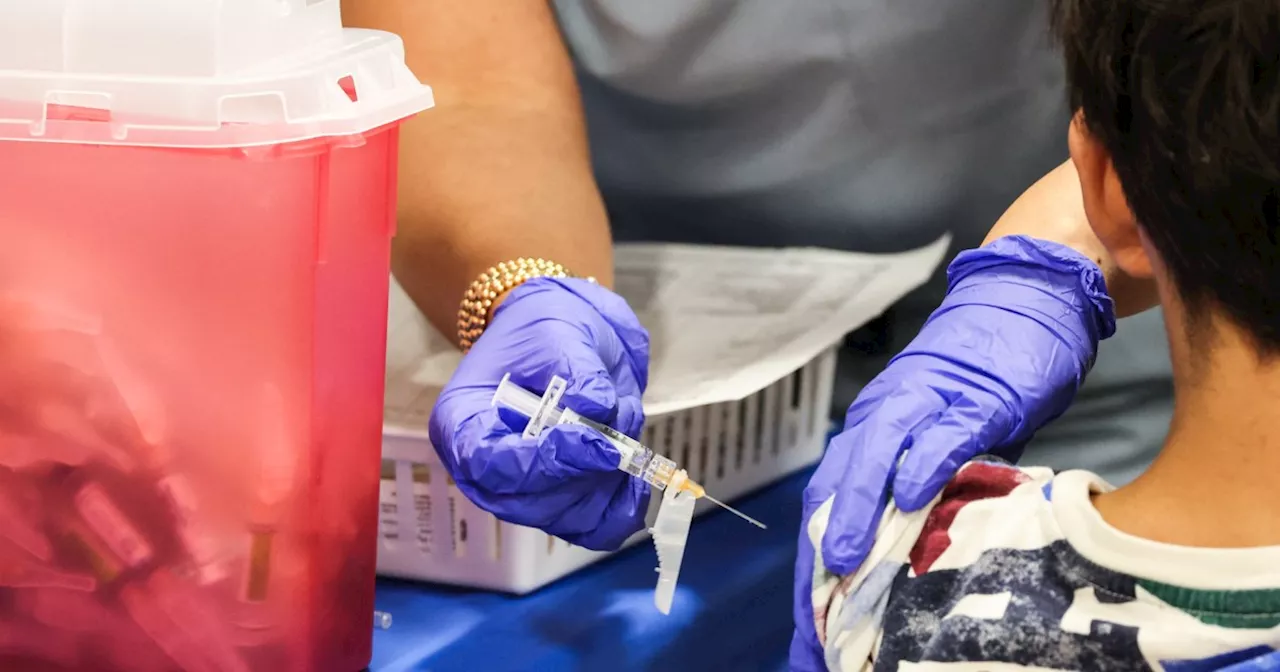
The American Academy of Pediatrics (AAP) has diverged from the Centers for Disease Control and Prevention (CDC) regarding childhood vaccine recommendations, marking a historic shift in the guidelines that have been in place for three decades. On January 5, 2024, the AAP reaffirmed its support for vaccines that protect against 18 potentially life-threatening diseases, including Covid-19, the flu, hepatitis A and B, and measles. This guidance now contrasts with the CDC’s recent decision to reduce the number of diseases on its vaccine schedule from 18 to 11.
Dr. Sean O’Leary, chair of the AAP’s committee on infectious diseases, emphasized the importance of the AAP’s stance during a press briefing. He stated, “We used to partner very closely with CDC to create a unified, harmonized set of vaccine recommendations. But these recent changes to the CDC schedule are a strong departure from the medical evidence and no longer offer the optimal way to prevent illness in children.”
Historical Context and Current Disagreements
The AAP, representing approximately 67,000 pediatricians across the United States, has provided annual vaccine guidance since 1935. In 1995, the organization allied with the CDC and other medical groups to establish a cohesive set of vaccination recommendations for healthcare providers and families. However, the recent overhaul of the childhood vaccine schedule by the Trump administration’s Department of Health and Human Services has sparked considerable debate. This overhaul cited a “need for more and better science” regarding the efficacy of vaccines, yet specifics on what this entails have not been disclosed.
AAP President Dr. Andrew Racine criticized the CDC’s changes, asserting that the fundamental recommendations for preventing illness remain unchanged. He remarked, “This is the exact same recommendation that we’ve had along, the same recommendations the federal government used to agree with. The distribution of these illnesses hasn’t changed, and so the vaccine schedule hasn’t changed.”
According to research from the Kaiser Family Foundation, at least 28 state health departments have declared their intention to continue following the AAP guidelines rather than the new CDC recommendations. Additionally, respected medical organizations such as the American Academy of Family Physicians and the American Medical Association have endorsed the AAP’s vaccine schedule.
Key Differences in Vaccine Recommendations
Both the AAP and CDC recommend many of the same childhood vaccines, including those for measles, mumps, and rubella, chickenpox, and polio. The key distinction lies in the CDC’s revised stance on vaccines for Covid-19, respiratory syncytial virus (RSV), the flu, rotavirus, meningitis, and hepatitis A and B. The CDC now suggests that these vaccines should only be administered following a “shared decision-making” process involving discussions between pediatricians and families about the benefits and risks.
Dr. Deanna Behrens, a pediatrician from suburban Chicago and member of the Illinois chapter of the AAP, highlighted the importance of these conversations. “We are well used to talking to families about vaccines. That’s something that we’ve been doing for a long time. Trusting your pediatrician is critical,” she stated.
The changes in federal vaccine guidance have prompted increased inquiries from parents seeking clarity, according to Dr. Ana Montanez, a pediatrician at Texas Tech Physicians in Lubbock, Texas. “Families came to me for clarity before these changes were made, and now that changes are made, it’s even more important,” she said, welcoming the opportunity for dialogue.
Parents seeking further information about the AAP’s vaccine guidance can visit healthychildren.org for comprehensive resources and support. The evolving landscape of vaccine recommendations underscores the vital role pediatricians play in guiding families through these crucial health decisions.