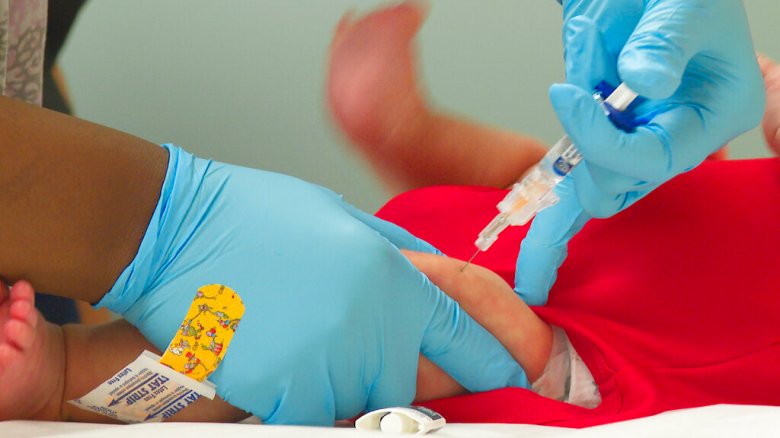
Parents across the United States are facing uncertainty regarding childhood vaccinations as the Centers for Disease Control and Prevention (CDC) alters its recommendations. This shift comes amid a broader discussion about public health trust, particularly following the COVID-19 pandemic. Families like that of a new parent, whose son was born in October 2023, are now questioning the efficacy and rationale behind these changes.
The CDC recently decided to no longer recommend the hepatitis B vaccine at birth for infants whose mothers have not tested positive for the virus. The parent in question ensured their son received the vaccine shortly after birth, adhering to the previous guidelines that have been in place since 1991. This decision has raised concerns regarding the consistency and reliability of vaccination schedules, especially with the CDC now citing Denmark’s policies as a reference point for its own recommendations.
Confusion Surrounding Vaccine Recommendations
The latest adjustments from the CDC extend beyond the hepatitis B vaccine. New guidelines indicate that the rotavirus vaccine is no longer recommended for all children, a decision attributed to practices observed in Denmark. This has sparked confusion among parents, as the healthcare systems and demographic realities of Denmark and the U.S. differ significantly. With a population of approximately 340 million, the United States does not share the same healthcare framework as Denmark, which has universal health coverage.
The implications of these changes are particularly concerning for parents of infants, who are vulnerable to infections. For example, respiratory syncytial virus (RSV) is known to account for a significant number of hospitalizations among infants in the U.S. Each year, 2-3 out of every 100 babies under six months are hospitalized due to RSV. The CDC’s own resources indicate that all infants should be protected from severe RSV through immunization, yet the recent guidance suggests a more selective approach based on high-risk factors.
Trust Issues in Public Health
Amid these shifting recommendations, senior officials at the Department of Health and Human Services have stated that the intention behind the changes is to restore trust in public health. This effort is overshadowed by controversial statements made by Health and Human Services Secretary Robert F. Kennedy Jr., who referred to the COVID-19 vaccine as “the deadliest vaccine ever made.” Such remarks have contributed to declining vaccine uptake in the United States, often driven by misinformation.
Many experts argue that the issues surrounding vaccination uptake stem not from the vaccines themselves, but from a small group of individuals who profit from promoting doubt and skepticism about immunization science. Vaccines have historically been one of the most significant advancements in public health, preventing countless diseases and saving lives.
As parents navigate this changing landscape, they are left to rely on the immunization rates of those around them to protect their children. With the complexities of vaccine schedules and availability, many families are calling for clearer communication and a more consistent approach to vaccination policies.
The challenges posed by these recent recommendations signal a critical moment for public health in the United States. With an increasing number of parents questioning the safety and effectiveness of vaccines, health officials must work diligently to restore confidence in vaccinations as a vital tool for safeguarding the health of children.