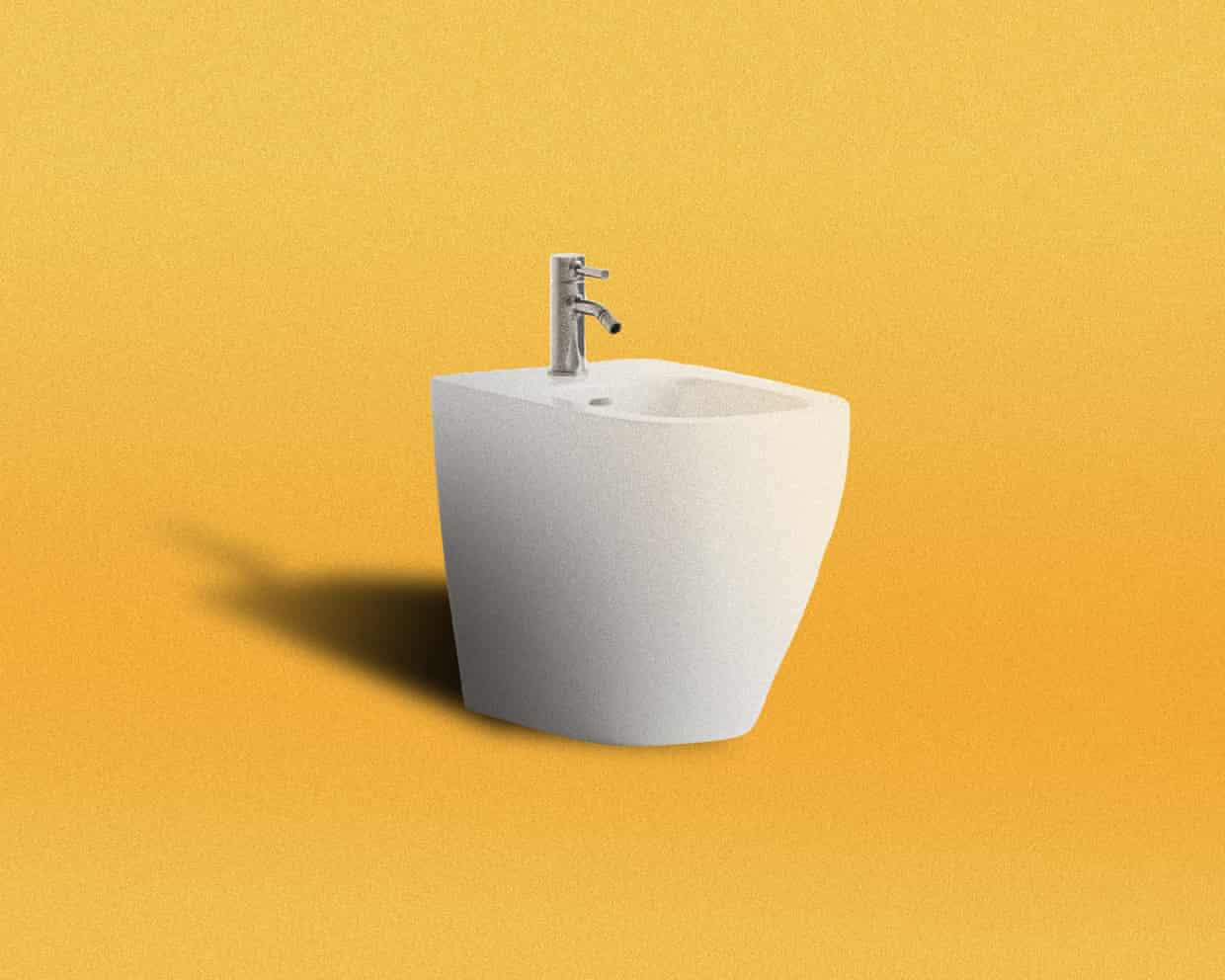
In a notable push towards modern hygiene practices, New York City’s Mayor Zohran Mamdani and his wife, Rama Duwaji, have announced plans to install bidets in their official residence, Gracie Mansion. This move could signify a cultural shift in the United States, where traditional toilet practices often overlook the benefits of washing after use.
The concept of bidets and their various forms, including the popular shattaf or “bum gun,” is not new in many parts of the world. In Egypt, where both Mamdani and Duwaji have cultural roots, households typically include fixtures designed for personal hygiene. This practice is commonplace, with variations of the bidet found widely across Europe, the Middle East, and parts of Asia and South America.
Mamdani, who is notably the youngest mayor of New York City since 1892, represents several firsts: he is the city’s first Muslim mayor and the first South Asian to hold the position. Duwaji, aged 28, is the youngest first lady, as well as the first Gen Z and Muslim woman in that role. Their backgrounds and progressive choices have already attracted significant media attention, with discussions surrounding their lifestyles and public statements frequently analyzed.
The announcement regarding the installation of bidets comes at a time when the importance of personal hygiene has gained renewed focus, particularly in light of the COVID-19 pandemic. During the toilet paper shortages experienced in early 2020, many people began to recognize the practical advantages of bidets, leading to an increase in sales. Despite this trend, the popularity of bidets has not yet firmly established itself in the U.S. market.
Reflecting on her personal experiences, Mona Eltahawy, a journalist and author, recounted her own cultural journey. After moving from Cairo to London in 1975, she encountered the discomfort of using toilets without the convenience of bidets or shattafs. Eltahawy described using a watering can for hygiene, which became a creative solution to a significant cultural shock. During her subsequent move to Saudi Arabia in 1982, she found relief in the availability of similar fixtures in the bathrooms there.
This cultural dialogue is not without its critics. Some opponents have derided Mamdani’s push for modern hygiene as an imposition of foreign customs. For instance, White House Press Secretary Karoline Leavitt has labeled Mamdani as a communist, illustrating the polarized political climate surrounding such discussions.
Despite the controversy, advocates like Eltahawy urge for a broader acceptance of bidets in American bathrooms. “Wash your ass! Install that bidet, bum gun, or shattaf,” she implores, emphasizing the personal and societal benefits of improved hygiene practices.
With Mamdani and Duwaji at the forefront of this movement, the hope is that bidets may soon become a standard fixture in American households. As they lead by example, the couple is poised to influence public perception and encourage others to reconsider their post-toilet habits, ultimately promoting a healthier lifestyle.