A patient diagnosed with breast cancer has expressed feelings of disconnection from the term “survivor,” which is often used by medical professionals to describe individuals who have completed their treatment. After undergoing surgery and radiation, she finds herself grappling with a complex mix of emotions, including depression, and questions the societal expectations surrounding her recovery.
Struggling with the Survivor Label
In a heartfelt letter, the individual, referred to as Sad “Survivor,” detailed her journey since being diagnosed a few months ago. Despite being told by oncologists that she should now consider herself a “survivor,” she feels that the label does not encompass the scars, both physical and emotional, that she carries. With a decade-long medication regimen ahead, which may come with serious side effects, the prospect of cancer recurrence looms large in her mind.
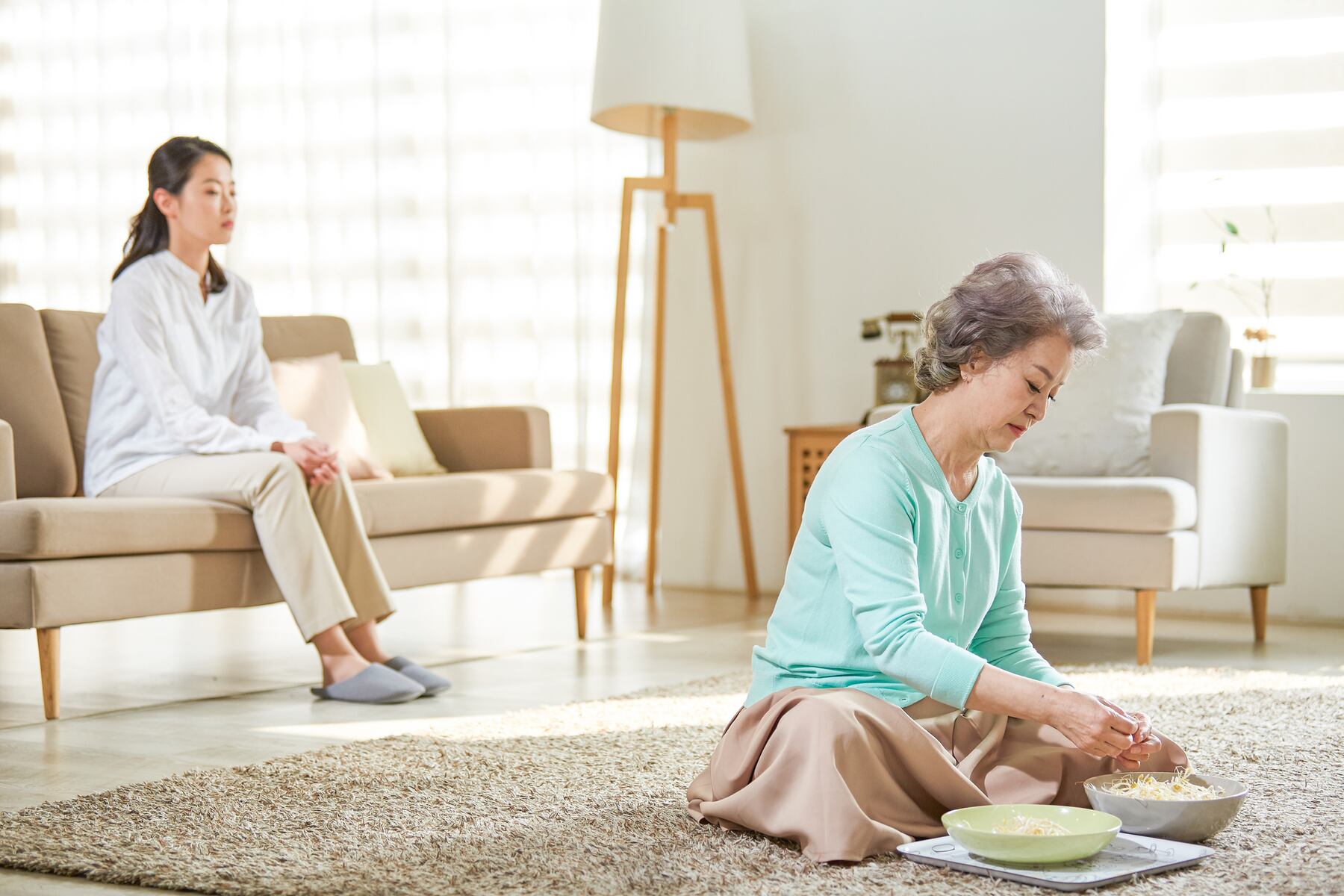
“I readily admit that I’m depressed,” she stated, emphasizing that this emotional state is a natural reaction to the significant upheaval that cancer has brought to her life. Despite her struggles, she maintains a daily routine, pushing through tough mornings to shower and engage with her usual activities. However, she feels isolated, as conversations often revolve solely around her cancer diagnosis rather than her personal thoughts and interests.
The Complexity of Emotions in Recovery
Sad “Survivor” noted a troubling trend in how society perceives emotional responses to serious illness. She observed that expressing feelings of sadness or depression often makes others uncomfortable, leading her to conceal her true emotions behind a facade of being “fine” or “okay.” This dynamic extends beyond her interaction with friends and family; she feels similarly pressured when speaking with her healthcare providers.
“When did it become shameful and something that needs to be fixed when people have a true human emotion to events?”
Her sentiments resonate with many who face life-altering health challenges. The expectation to remain positive can overshadow the valid emotions that arise from such experiences. While some patients may benefit from support groups, she found that such settings were not conducive to her healing process. Instead, she advocates for a more nuanced understanding of emotional well-being that allows for moments of sadness alongside the triumphs of recovery.
In response to her letter, advice columnist Annie Lane affirmed that feeling conflicted about the survivor label is entirely valid. She emphasized that healing is not a linear process and that individuals should feel empowered to express their struggles honestly. Lane encourages those navigating similar experiences to seek support from people who can truly listen without judgment.
Ultimately, the journey of a cancer survivor is profoundly personal and can encompass a wide range of emotions. Recognizing that sadness and depression are natural responses to significant life changes is crucial. As Sad “Survivor” continues her path, her story serves as a reminder that the journey towards healing is complex and that acknowledging one’s feelings is an essential part of the process.