January marks Glaucoma Awareness Month, a time dedicated to raising awareness about a condition that affects more than 4 million people in the United States. Despite its prevalence, many remain unaware of their status. According to Dr. Eliesa Ing, an associate professor at the OHSU Casey Eye Institute, approximately half of those with glaucoma do not realize they have the condition.
Glaucoma is often referred to as the “silent blinder” because it typically presents few to no symptoms until significant damage has occurred. There are various forms of glaucoma, with some conditions developing slowly while others can progress rapidly. For example, as noted by the Mayo Clinic, individuals with slow-developing glaucoma might begin to notice blind spots in their peripheral vision. In contrast, other types may cause severe headaches, intense eye pain, or blurred vision.
Dr. Ing emphasizes the importance of regular eye examinations, particularly for individuals who do not typically see an eye care provider, such as those who do not wear glasses. “I think the important thing to realize is that if you don’t have an eye care provider because you don’t wear glasses, those are the people that we often really miss because they don’t go to an eye care provider on a regular basis,” she stated.
Understanding Glaucoma and Its Risks
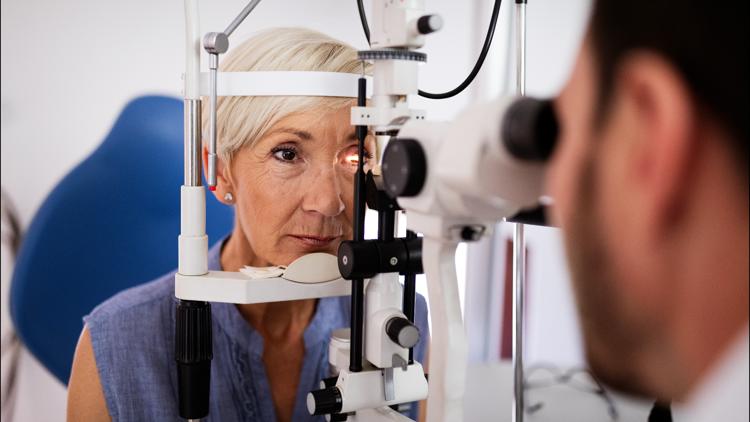
Once glaucoma sets in, it leads to irreversible nerve loss in the eye, which can result in permanent blindness. Early detection is crucial. Dr. Ing points out that eye care professionals can screen for glaucoma using advanced imaging technology. “We actually use a special imaging modality called OCT — which is kind of like a CAT scan but uses light rays,” she explained. This technology allows doctors to assess the nerve inside the eye and examine the robustness of the nerve fiber layer.
Certain groups are at a higher risk for developing glaucoma, including individuals of African or Hispanic descent, those with high prescriptions, or those with a family history of the disease. Awareness and education about these risk factors can empower individuals to seek timely screening and treatment.
For further information on glaucoma, resources are available through the American Glaucoma Society website. Regular check-ups and proactive measures can greatly enhance eye health and help prevent the progression of this often-silent disease.