Family separation, often framed as a protective measure, poses significant risks to children’s mental health. The trauma associated with this separation can manifest as post-traumatic stress disorder (PTSD), anxiety, and depression, ultimately reducing life expectancy among affected children. Despite these serious implications, mental health providers have, at times, validated the practice of detaining children by offering care in environments that can exacerbate psychological distress.
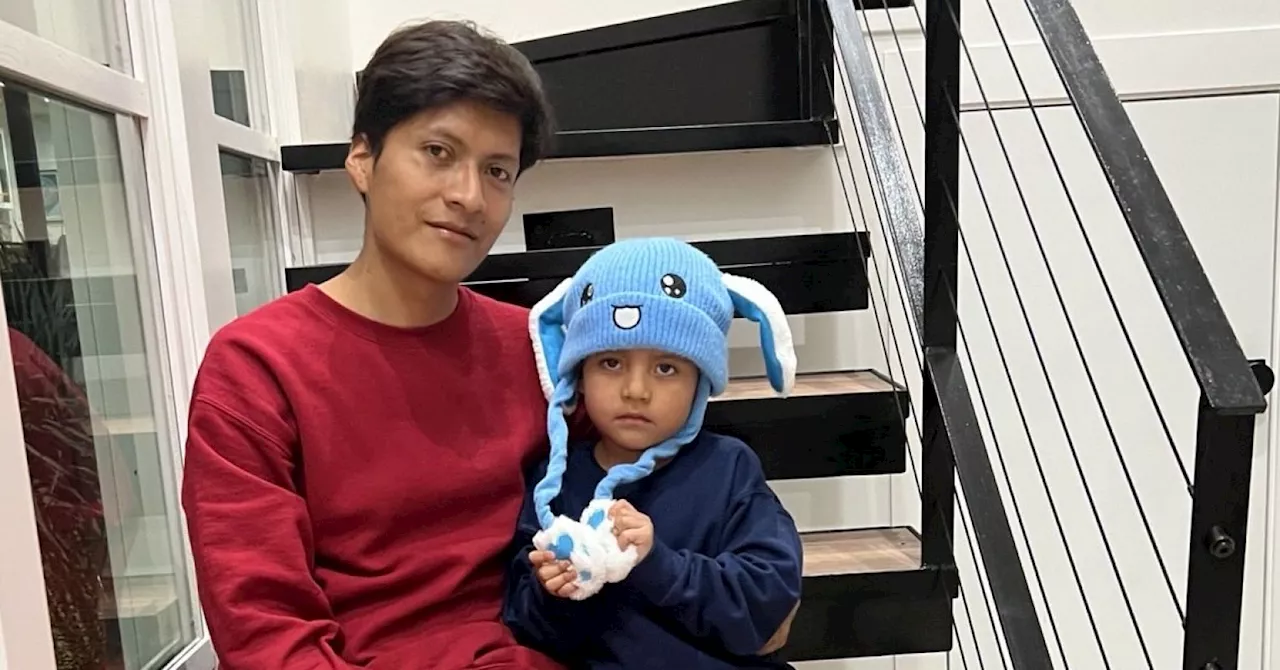
A recent incident involving five-year-old Liam Conejo Ramos has sparked considerable national outrage. Liam and his father were detained by Immigration and Customs Enforcement (ICE) shortly after arriving home in a suburb of Minneapolis on January 20, 2026. According to their attorney, both entered the United States legally while seeking asylum, making their detention unlawful. This alarming case highlights the broader issue of family separation under the guise of safety, which has devastating effects on communities and individual well-being.
Children like Liam often witness others being taken away, a situation that can lead to widespread fear and anxiety. One young girl, who faced threats about her family’s immigration status, experienced significant emotional turmoil that ultimately contributed to her tragic passing. Such outcomes underscore the systemic nature of family separation, which extends beyond immigration enforcement to child welfare and juvenile justice systems. These systems often act under the pretense of protection, yet they frequently inflict harm, particularly on marginalized communities.
The mental health field is not immune to these systemic issues. Child psychiatrists and other mental health professionals have historically participated in processes that reinforce family separation. This involvement can manifest through mandated reporting, which may inadvertently funnel non-abusive families into child welfare systems, or through diagnoses that justify criminalization. Furthermore, psychiatric treatment in settings such as juvenile detention can be framed as care, despite the inherent coercion and trauma associated with confinement.
Data indicates that children in these systems, particularly those from Black, Latine, and Indigenous backgrounds, are often prescribed psychiatric medications without adequate consideration of the underlying trauma caused by their circumstances. Studies show that while mental health providers may believe they are providing necessary support, they are, in fact, legitimizing the notion that healing can occur within a detention environment. This belief contradicts established knowledge about trauma and safety.
To address these issues, it is crucial for mental health providers to reevaluate their roles in the perpetuation of family separation. Research conducted within child welfare and juvenile detention systems often normalizes these practices by focusing on therapeutic interventions that do not question the harmful nature of detention itself. For example, one study highlighted that Black parents receiving support while under surveillance reported higher levels of depression, yet the proposed solution was to provide additional mental health treatment rather than to address the surveillance itself.
This circular logic perpetuates the cycle of harm. Mental health professionals must shift their focus from treating the symptoms of trauma arising from confinement to actively working to prevent detention and support family unity. Redirecting funding from detention facilities towards community-based support systems can significantly diminish the risk of abuse while reducing reliance on policing. Initiatives like California’s Differential Response and New York’s Family Assessment Response exemplify this approach by prioritizing voluntary supports over investigations.
As the mental health rights and recovery movements gain momentum, they are fostering alternatives to confinement-based care. These community-based initiatives prioritize relationships and support outside institutional settings, demonstrating that effective care does not require locking children away. States that have begun to shut down juvenile detention facilities and expand diversion programs illustrate that detention is a policy choice rather than an unavoidable necessity.
In the days leading up to Liam Conejo Ramos’s release from the detention facility, distressing reports emerged of children crying out for freedom. This serves as a poignant reminder that hundreds of other children detained in ICE facilities and similar institutions are also suffering. The psychological impacts of family separation extend across various systems, including immigration, child welfare, juvenile justice, and psychiatric care.
Mental health providers have a responsibility to confront their complicity in these systems. By withdrawing support from environments that facilitate family separation and redirecting efforts towards community-based solutions, professionals can contribute to a fundamental shift in how society views child welfare and mental health. Prioritizing family unity is not just a clinical obligation; it is an ethical imperative that cannot be overlooked. Healing cannot occur in a cage, and it is essential to advocate for systems that foster connection rather than separation.