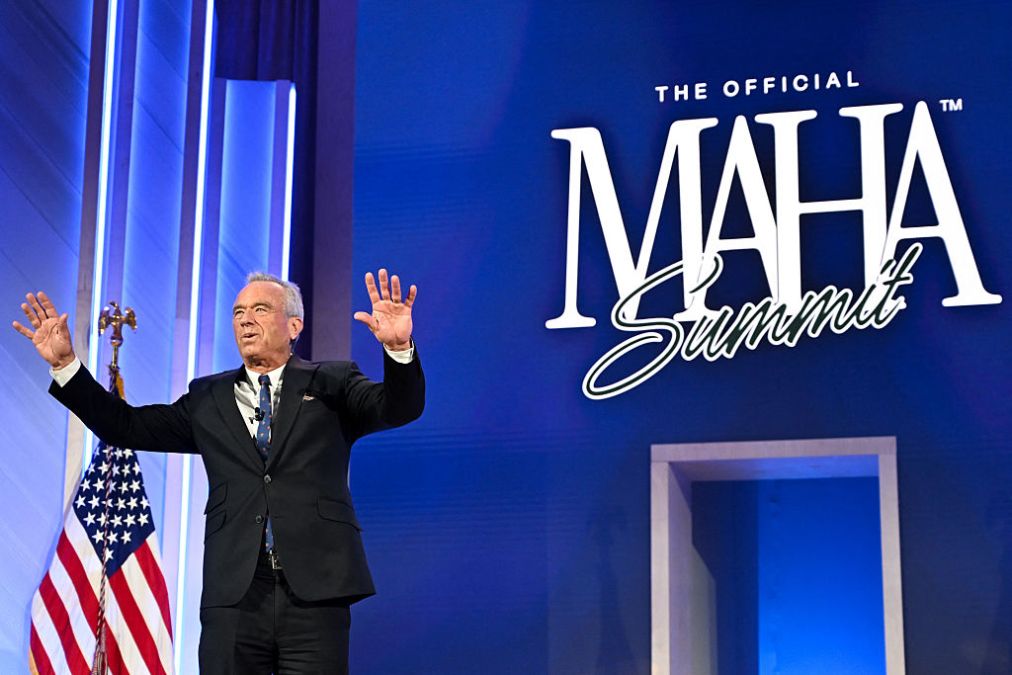
The Make America Healthy Again (MAHA) movement has released a comprehensive strategy report aimed at improving children’s health, unveiling a total of 128 recommendations. These proposals focus on critical areas such as diet, chemical exposure, physical activity, and chronic stress. However, the report notably overlooks significant psychological influences and social contexts that play a vital role in children’s health, which, if addressed appropriately, could lead to lasting improvements in their well-being.
While the report does acknowledge chronic stress, it fails to adequately address key contributing factors. According to peer-reviewed studies, children living in poverty are disproportionately affected by health challenges. They typically have limited access to quality education and nutritious food, leading to higher rates of asthma, diabetes, and obesity. Additionally, children from low-income backgrounds are two to three times more likely to develop mental health conditions compared to their wealthier peers.
Violence, particularly domestic violence, is another critical issue that the MAHA report neglects. This form of violence is one of the most impactful adverse childhood experiences (ACEs), which can predispose children to a range of psychological disorders in adulthood. Gun violence, the leading cause of death among children in the United States, is similarly absent from the discussion in MAHA’s strategy.
The narrow focus of the report limits the effectiveness of its recommendations. It also overlooks the importance of involving children in the conversation about the environmental factors and stressors that affect their lives. Engaging young people in the development of these strategies could provide valuable insights and lead to more effective solutions.
To enhance its approach, MAHA could benefit from consulting with various stakeholders, including mental health professionals, educators, and parents. These individuals work daily with children and can offer perspectives that might improve the outcomes of the proposed strategies. Public hearings could serve as an excellent platform for gathering input from diverse voices, similar to the process employed by the White House Commission on Complementary and Alternative Medicine Policy, which successfully shaped health recommendations through public testimony.
Additionally, existing programs across the country already demonstrate effective health and wellness strategies for children. Many of these initiatives focus on school wellness and family health promotion, aligning with MAHA’s goals. By incorporating insights from these successful models and engaging outside experts, MAHA could broaden its understanding of nutrition, mental health, and effective approaches to physical fitness.
There is also a pressing need for research and funding dedicated to non-pharmacological approaches to mental health issues affecting children, including anxiety and depression. Techniques such as mindfulness, meditation, and physical exercise have shown promising results in improving mental health outcomes. These strategies often provide benefits similar to those of medications, without the associated negative side effects.
Furthermore, it is crucial for school counselors and mental health professionals to contribute to MAHA’s decision-making process. Their experience could inform recommendations that ensure children have safe spaces to express their fears and challenges, particularly in an increasingly unpredictable world. Small group sessions, often referred to as wellness or support groups, have proven beneficial for young people dealing with crises or high levels of stress.
Addressing the systemic issues that contribute to the medicalization of children’s behavior is also essential. The current model incentivizes quick medication checks over more comprehensive counseling sessions, leading to unnecessary prescriptions. Adjusting these reimbursement patterns could significantly reduce the overmedicalization of children’s mental health struggles.
Training for educators and parents in wellness strategies is another critical aspect. By equipping adults with the knowledge to facilitate mindfulness and nutrition education, the entire community can contribute to children’s health and well-being. This holistic approach could empower children to make healthier choices and foster resilience.
MAHA’s strategy has faced criticism for promoting outdated fitness assessments, such as the President’s Fitness Test. Originally created during the Cold War era, this test has been shown to lack relevance in promoting a healthy lifestyle among today’s youth. A more individualized approach to physical fitness, emphasizing enjoyable and engaging activities, could yield better results.
By embracing a broader perspective and incorporating diverse viewpoints, MAHA has the potential to strengthen its recommendations and improve children’s health outcomes. Increased public support might encourage leaders like Robert F. Kennedy Jr. to advocate for comprehensive solutions, including addressing gun violence and ensuring access to healthy food and adequate healthcare.
Reframing the movement’s title to reflect a collaborative approach, such as “Partnering With Our Children to Create a Healthy Future,” could further empower young people to take an active role in their health journey. By doing so, MAHA could foster a sense of agency among children, encouraging them to understand and care for their well-being.