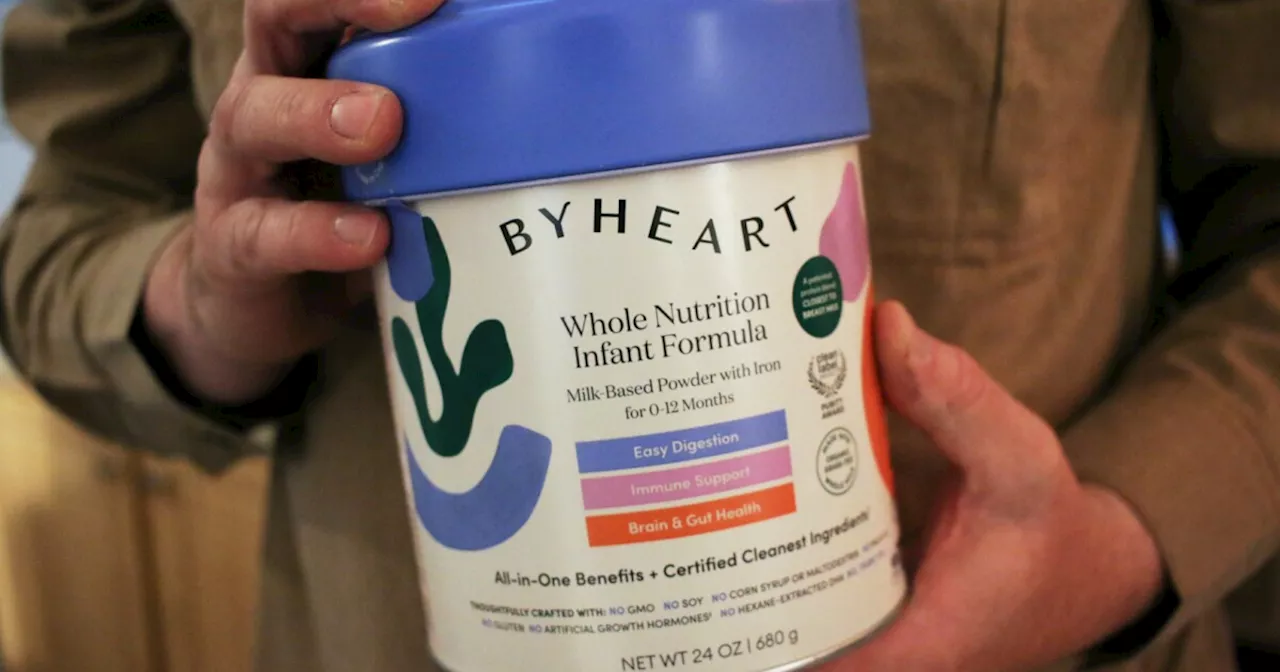
Federal health officials have expanded the scope of an outbreak of infant botulism linked to recalled ByHeart baby formula. This outbreak now encompasses all illnesses reported since the company began production in March 2022, affecting at least 51 infants across 19 states. The U.S. Food and Drug Administration (FDA) stated that investigators “cannot rule out the possibility that contamination might have affected all ByHeart formula products” produced during this time.
ByHeart, a New York-based manufacturer of organic infant formula founded in 2016, recalled all its products sold in the United States on November 11, 2023. The company, which holds about 1% of the U.S. infant formula market, had been selling approximately 200,000 cans of the product each month. According to the U.S. Centers for Disease Control and Prevention (CDC), the updated case definition now includes “any infant with botulism who was exposed to ByHeart formula at any time since the product’s release.” The most recent illness was reported on December 1.
Initially, the outbreak included 39 suspected or confirmed cases of infant botulism reported in 18 states since August 2023. This increase in cases came after officials from California’s Infant Botulism Treatment and Prevention Program reported a rise in treatments for infants who had consumed ByHeart formula. The expanded definition identified an additional 12 cases, including two within the original timeline and ten occurring from December 2023 through July 2025.
Parents affected by the outbreak have expressed distress and concern. For instance, Andi Galindo, whose 5-week-old daughter, Rowan, was hospitalized in December 2023 with infant botulism after consuming ByHeart formula, voiced her worries regarding the potential long-term contamination. “If there is proof that there were issues with their manufacturing all the way back from the beginning, that is a problem, and they really need to be held accountable,” Galindo stated.
Similarly, Amy Mazziotti, whose son Hank fell ill after drinking ByHeart formula, described her relief that their cases are now part of the investigation. “I’ve known in my gut from the beginning that ByHeart was the reason Hank got sick,” she said, expressing gratitude that the truth is being acknowledged.
In response to the outbreak, ByHeart stated that it is cooperating with federal officials “to understand the full scope of related cases.” In a statement released on the same day as the announcement, the company noted that the new cases reported by the CDC and FDA would help inform its ongoing investigation into the root cause of the contamination.
The FDA sent inspectors to ByHeart facilities in Allerton, Iowa, and Portland, Oregon, where the formula is produced and packaged. However, the agency has yet to release results from these inspections. The company previously reported that independent laboratory tests revealed that 36 samples from three different lots contained the bacteria responsible for infant botulism. ByHeart acknowledged on its website that it “cannot rule out the risk that all ByHeart formula across all product lots may have been contaminated.”
Dr. Jennifer Cope, a CDC scientist leading the investigation, commented on the matter, stating, “It looks like the contamination appeared to persist across all production runs, different lots, different raw material lots.” This raises significant concerns regarding the safety of the formula and the potential long-term implications for affected infants.
Infant botulism, though rare, affects fewer than 200 babies in the United States each year. The condition arises when infants ingest spores of the botulism bacteria, which then germinate in the intestines and produce a toxin that impacts the nervous system. Infants are particularly vulnerable until about the age of one, as their gut microbiomes are not fully developed to combat the toxin. Symptoms of the disease can take up to 30 days to manifest and may include constipation, poor feeding, and muscle weakness.
The only treatment available for infant botulism is an intravenous medication known as BabyBIG, which is derived from the pooled blood plasma of adults immunized against botulism. Health experts, such as Dr. Sharon Nachman from Stony Brook Children’s Hospital, have emphasized that families should not use ByHeart formula following its recall, as the risk of ongoing harm remains.
Legal action has also emerged as a response to the outbreak. Several families have filed lawsuits against ByHeart, alleging that the formula was defective and that the company acted negligently in its sale. These lawsuits seek compensation for medical expenses, emotional distress, and other damages incurred by families affected by the outbreak.
As the investigation continues, the health and safety of infants reliant on formula remains a paramount concern. Federal officials are urging parents to stay vigilant and report any illnesses associated with baby formula consumption.