Guam has confirmed its first laboratory case of pertussis, commonly known as whooping cough, for the year 2026. The Department of Public Health and Social Services announced the finding in a media release on January 8, 2026. This development follows a total of at least seven confirmed cases in 2025, indicating a concerning trend in respiratory infections on the island.
Public Health officials have initiated an epidemiological investigation and contact tracing to identify the source of exposure for the latest case. Whooping cough is a highly contagious respiratory infection caused by the bacterium Bordetella pertussis. It is characterized by severe coughing fits lasting up to ten weeks, often followed by a distinctive high-pitched “whoop” sound when inhaling. The infection can lead to serious complications, particularly in infants, including pneumonia, dehydration, seizures, and even brain damage.
Health Risks and Public Health Measures
The symptoms of whooping cough can be particularly alarming in infants, who may not exhibit the classic cough but can experience life-threatening pauses in breathing, known as apnea. Given the potential severity of the disease, Public Health is closely monitoring respiratory illness trends across the island, urging residents to stay informed about their health.
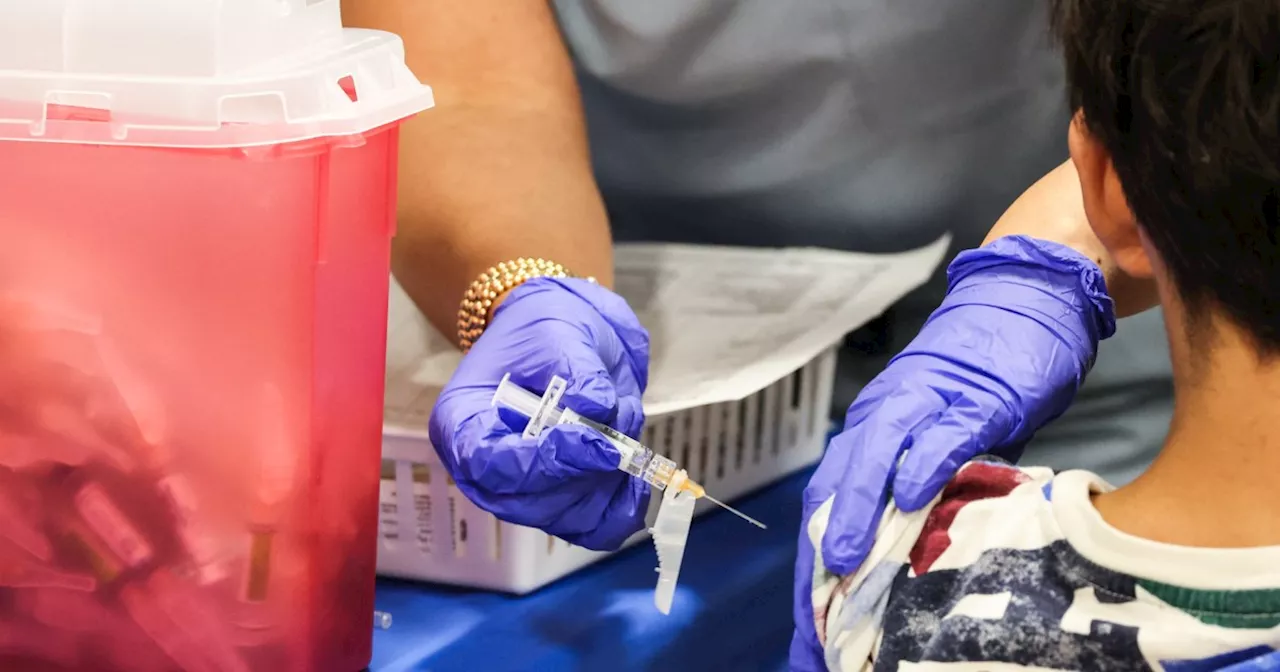
In light of the new case, authorities are emphasizing the importance of vaccinations to prevent whooping cough. According to the Centers for Disease Control and Prevention (CDC), the following vaccination schedule is recommended:
- DTaP (Diphtheria, Tetanus, and Acellular Pertussis) for children under 7 years old: One dose at 2, 4, 6, and 15-18 months, and again at 4-6 years.
- Tdap for children aged 7-10 years who are not fully vaccinated with DTaP: One dose as part of the catch-up series.
- For adolescents aged 11-18 years: A single dose of Tdap is recommended, preferably at ages 11-12.
- Adults aged 19 years and older who have not received Tdap previously should also get a single dose.
- Pregnant women are advised to receive one dose during each pregnancy, ideally between 27-36 weeks of gestation.
Vaccination not only protects individuals but also helps to prevent the spread of the disease within communities. The Public Health Department provides access to DTaP and Tdap vaccines at various locations, including the Northern Region Community Health Center and the Southern Region Community Health Center. Appointments can be made by contacting the centers directly.
Community Engagement and Awareness
In addition to vaccinations, Public Health is committed to raising awareness about respiratory illnesses and the importance of timely medical care. They encourage residents to view the latest surveillance figures and historical data available on the official Guam Communicable Disease dashboard. This resource provides crucial information about the trends affecting the community.
As Guam continues to navigate the challenges posed by respiratory infections, the importance of public health vigilance and proactive measures cannot be overstated. By staying informed and adhering to vaccination guidelines, residents can contribute to safeguarding their health and the health of those around them.