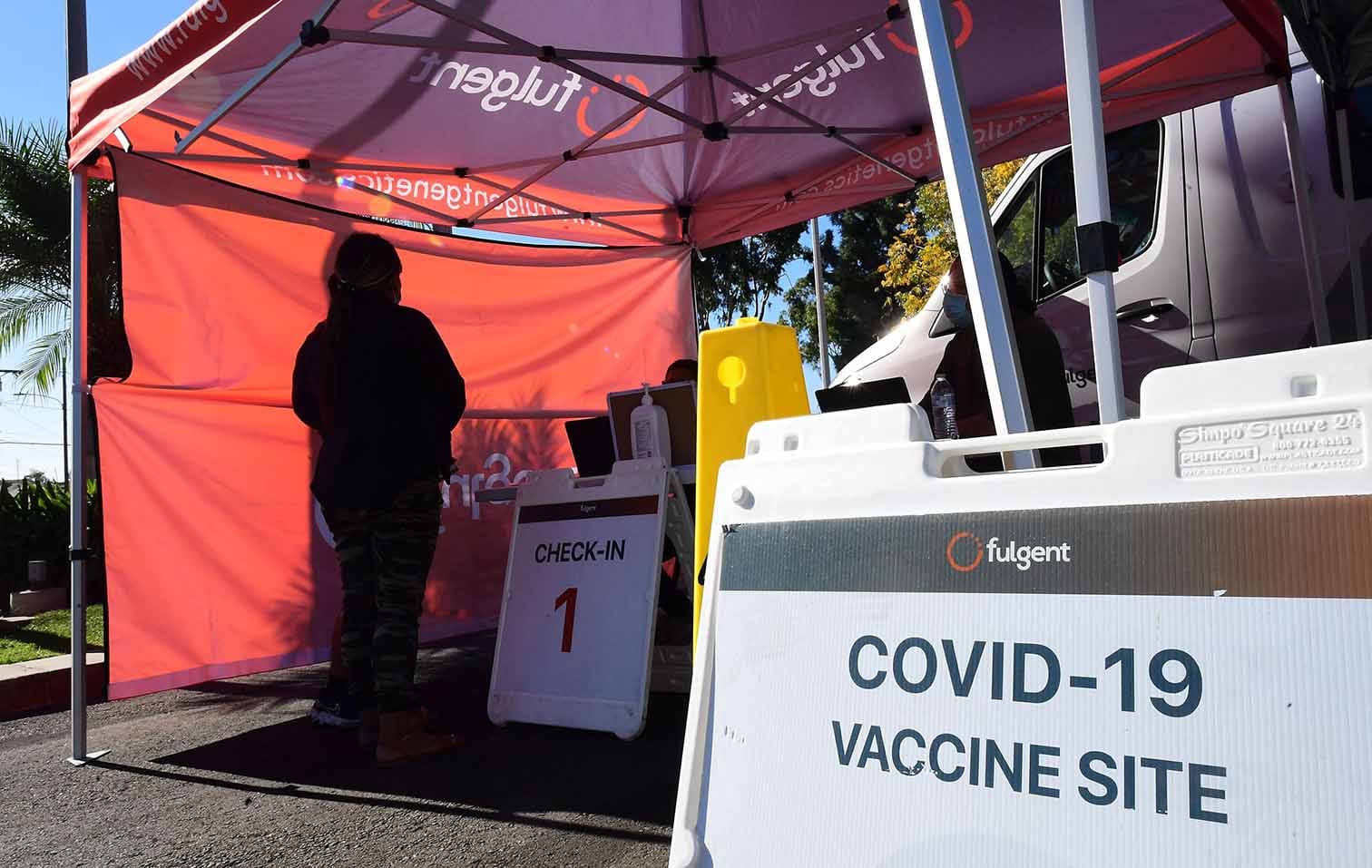
As the holiday season approaches, health experts emphasize the importance of receiving COVID-19 and flu vaccinations. The rise in flu activity, particularly the influenza A strain, has been noted in recent data from the U.S. Centers for Disease Control and Prevention (CDC). According to Dr. Nicholas Van Sickels, an infectious disease specialist with UK HealthCare, “It is really not too late to get your shot.”
While experts typically recommend vaccination by the end of October, those who have missed that window can still gain significant protection by getting vaccinated before gatherings in December and January. Flu activity in the United States generally peaks between December and February, making this period particularly conducive to seeking immunization.
Why Vaccination is Crucial During Winter
Dr. Van Sickels highlights that it takes approximately one week after vaccination to achieve some level of immunity. He stresses the importance of getting vaccinated before any holiday travel or gatherings, stating, “If you are looking at optimal timing, and you plan holiday travel or getting together with others, this is a great time to get your flu shot if you haven’t.”
The CDC advises that everyone aged six months and older, with few exceptions, should receive a flu vaccine. For the COVID-19 vaccine, older adults, particularly those aged 65 and older, are encouraged to get vaccinated due to their higher risk of severe illness from the virus. Younger individuals should also consider vaccination based on their specific health risks, which may include conditions affecting the heart, lungs, or immune system.
Vaccine appointments can be scheduled at numerous pharmacies, including Walgreens, CVS, and Kroger, providing ample access for individuals seeking vaccination.
Effectiveness of This Year’s Vaccines
A recent study examining flu activity in the Southern Hemisphere indicated that this year’s flu vaccine has an effectiveness rate of approximately 50% for preventing clinic visits and hospitalizations due to the flu. This means the vaccine can significantly reduce the demand for medical care associated with flu illnesses, according to the Center for Infectious Disease Research and Policy.
Certain vulnerable populations, including older adults and individuals with weakened immune systems, often receive a greater benefit from vaccination. However, even young and otherwise healthy adults can experience substantial advantages, with the CDC noting a reduction of 40 to 60% in the risk of needing to visit a healthcare provider during seasons when circulating viruses align with vaccine strains.
Dr. Van Sickels adds, “It definitely helps people when they do get sick with the flu. They end up less often being hospitalized, less often being very sick.” The alternative of forgoing vaccination can result in prolonged illness and the potential to spread the virus to family and friends.
Understanding Vaccine Side Effects
The CDC clarifies that flu vaccines cannot cause the flu. There are two main types of flu shots: one made from killed influenza virus and another composed of proteins from the virus. Additionally, nasal spray vaccines utilize weakened live influenza viruses that do not cause illness.
Some common and generally mild side effects following vaccination may include:
– Soreness, redness, or swelling at the injection site
– Headache
– Fever
– Muscle aches
– Nausea
– Fatigue
Individuals receiving the nasal spray vaccine may experience different side effects, such as a runny nose, headache, or low-grade fever.
In summary, as the holiday season approaches, health authorities strongly recommend timely vaccination against COVID-19 and flu to reduce risks during gatherings. Taking this step not only protects individual health but also helps safeguard community well-being.