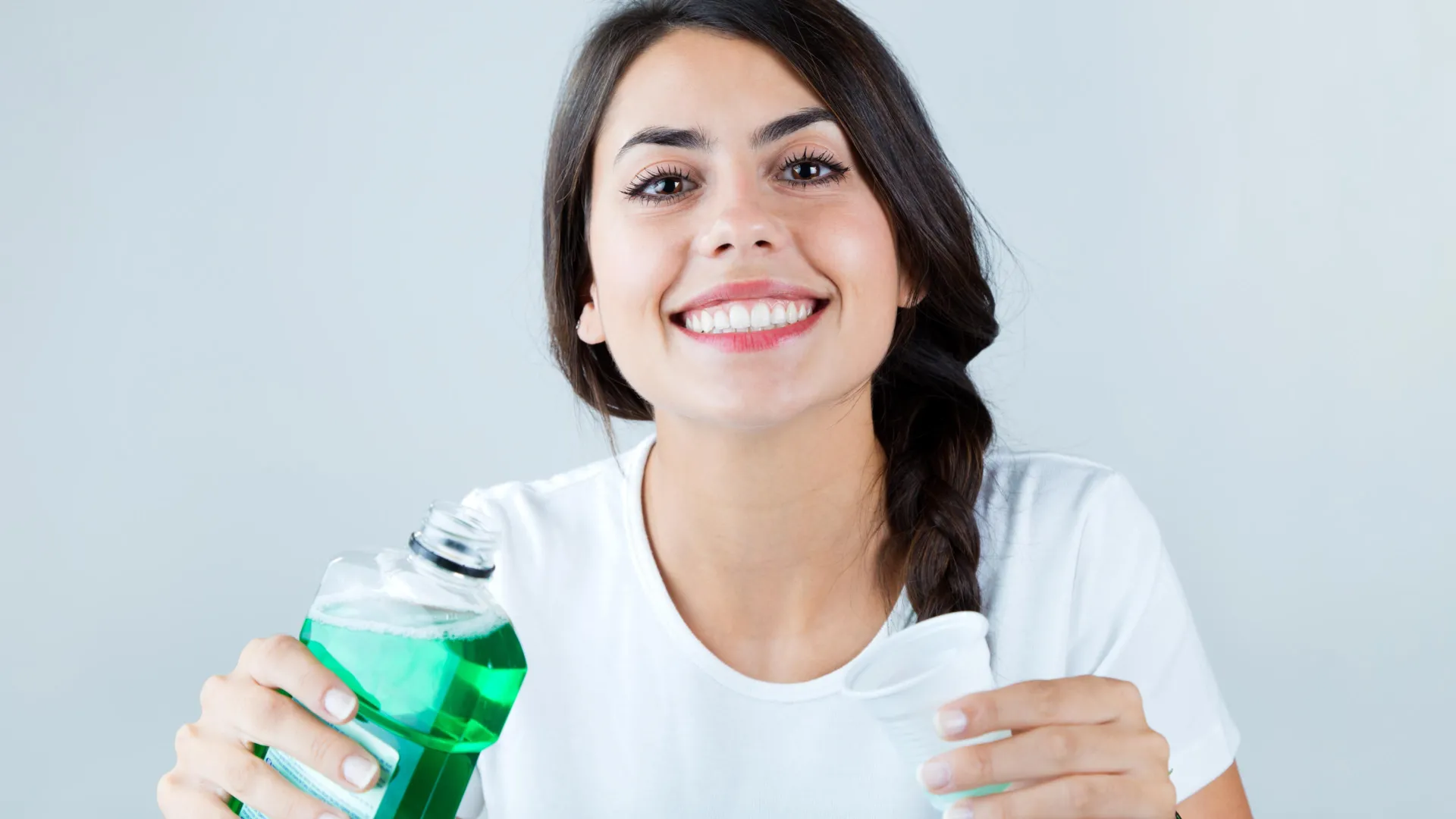
A recent study by researchers at the University of Sharjah reveals that garlic extract may serve as a formidable alternative to chlorhexidine, the conventional standard in antimicrobial mouthwashes. Published in the Journal of Herbal Medicine, the findings indicate that higher concentrations of garlic mouthwash exhibit germ-fighting capabilities comparable to, and in some cases exceeding, those of chlorhexidine. This discovery presents a promising natural option for oral health care.
The systematic review analyzed multiple clinical studies to assess the performance of garlic extract against chlorhexidine. Researchers adhered to the Preferred Reporting Items for Systematic Reviews and Meta-analyses (PRISMA) 2020 guidelines, aiming to enhance the reliability of their findings. They identified a total of 389 articles across six electronic databases in January 2024, and after rigorous screening, five studies met the inclusion criteria for detailed analysis.
Comparative Antimicrobial Effectiveness
The review highlighted that garlic mouthwash can deliver antimicrobial results akin to those of chlorhexidine, particularly at higher concentrations. The effectiveness varied, with garlic sometimes displaying superior outcomes depending on the concentration and duration of application. While some studies suggested that chlorhexidine maintains a higher plaque/salivary pH, others indicated that garlic extract was more effective at certain levels. The authors noted, “Some studies favored chlorhexidine for maintaining higher plaque/salivary pH, while others reported garlic extract to be more effective at certain concentrations.”
Despite its advantages, garlic mouthwash may lead to greater discomfort, including a burning sensation and an unpleasant odor. Nonetheless, the review underscores the potential of garlic extract as a viable alternative, reporting “significant reductions in bacterial counts from baseline.” The authors advocate for further clinical trials with larger participant numbers and extended follow-up periods to solidify the effectiveness of garlic as a substitute for chlorhexidine.
Garlic’s Historical and Market Context
Garlic, or Allium sativum, has long been recognized for its natural antibacterial and antifungal properties, particularly attributed to the compound allicin. Although classified as a vegetable, garlic is frequently utilized as both an herb and a spice. In 2024, global garlic consumption reached approximately 30 million metric tons, with China accounting for nearly 80 percent of this figure. The garlic extract market was valued at over $15 billion that same year, reflecting its widespread use in various health products.
As interest in herbal alternatives to synthetic agents like chlorhexidine grows, garlic extracts are readily available in over-the-counter health products, unlike chlorhexidine, which typically requires a prescription from a healthcare provider. The review emphasized the importance of antimicrobial mouthwashes in managing oral diseases caused by bacteria, fungi, or viruses affecting soft and hard tissues in the mouth.
The authors noted, “Different antimicrobial mouthwashes, whether available over-the-counter or on prescription, can be used in the management of gingivitis, dental caries, periodontal diseases, halitosis, etc.”
While the current review adds to the growing body of evidence supporting garlic’s antimicrobial effects, it also points out significant gaps in clinical research. Many studies have been conducted in vitro, lacking standardization and real-world applicability. As such, further investigations are essential to confirm garlic’s effectiveness in dental practice and to address the existing gaps in the literature concerning evidence-based antimicrobial therapies.
In conclusion, the emerging evidence positions garlic mouthwash as a potent contender against chlorhexidine. As researchers continue to explore its potential, the future of oral care may see a shift towards more natural solutions, providing patients with effective alternatives that align with growing health trends.