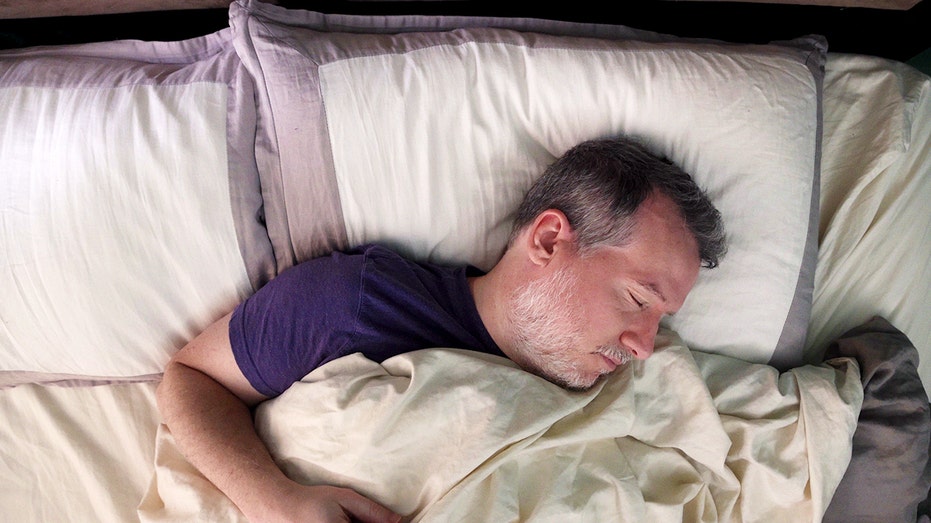
Sleep positions can significantly impact health, with experts highlighting potential nerve damage and discomfort linked to common sleeping habits. According to clinical psychologist and behavioral sleep specialist Shelby Harris, the way individuals sleep may contribute to various health issues, including pain and reflux.
Many people unknowingly adopt sleeping postures that can compress nerves and hinder circulation. Todd Anderson, co-founder of Dream Performance & Recovery, emphasizes that while comfort is essential, many positions can lead to discomfort when sustained overnight. Harris explains that incorrect positioning can lead to stress not only on nerves but also on muscles and ligaments.
Understanding the Risks of Sleep Positions
Common sleep positions, particularly those that involve bending or tucking limbs, raise concerns about nerve compression. The phenomenon, often referred to as the “T. rex position” in social media circles, can result in numbness in the arms during sleep. A recent review on cubital tunnel syndrome, published in 2023, indicates that sleeping with the elbow sharply bent can exacerbate symptoms, which include numbness and shooting pain in the forearm.
While sleeping on the back may appear to be a safer option for avoiding nerve compression, it can lead to other issues like snoring and acid reflux, according to the Sleep Foundation. The foundation advises individuals to be aware of both the benefits and risks associated with their chosen sleep position.
Recommendations for Healthier Sleep
Research shows that side sleeping is the most prevalent position and comes with several health benefits. It is generally regarded as a supportive option that reduces pressure on the body. The Mayo Clinic recommends side sleeping with knees slightly bent and using a pillow between the legs to align the spine, pelvis, and hips, thereby relieving stress on the back.
Conversely, stomach sleeping, while less common, is often linked to misalignment of the spine and can contribute to back, neck, and shoulder pain due to the need to twist the head to breathe. Despite its potential to decrease snoring, it remains the least favored sleeping position, as highlighted by the Sleep Foundation.
For individuals who struggle with their sleep, the advice from Johns Hopkins Medicine suggests that sleep position becomes increasingly important with age or the onset of medical issues. Transitioning to side or back sleeping, along with using thinner pillows, can help mitigate discomfort for those used to sleeping on their stomach.
If sleep issues persist regardless of position, Harris recommends consulting a sleep specialist for tailored advice and potential solutions.
Understanding the implications of sleep positions can empower individuals to make informed decisions about their nightly routines, ultimately leading to better health and well-being.