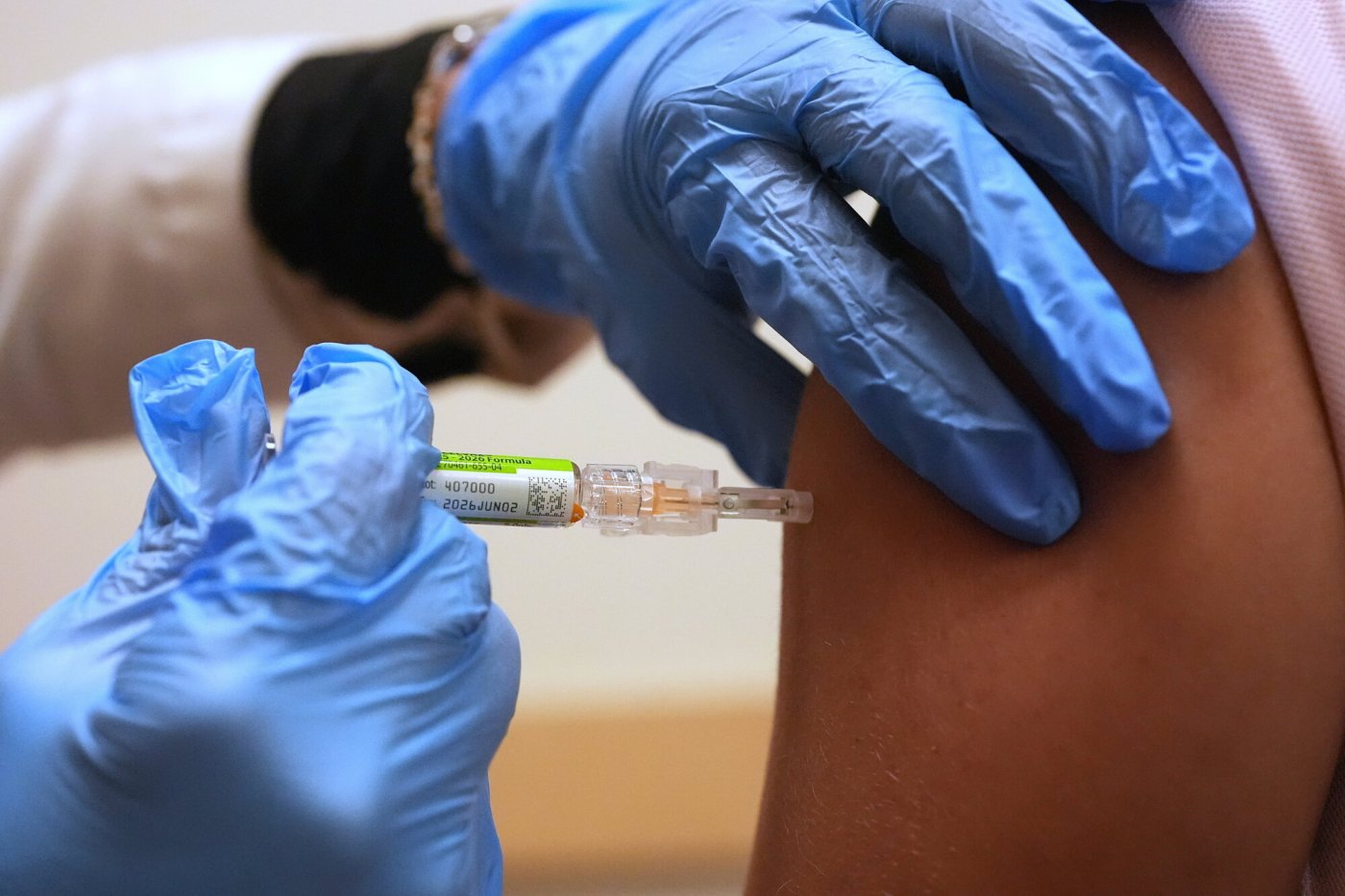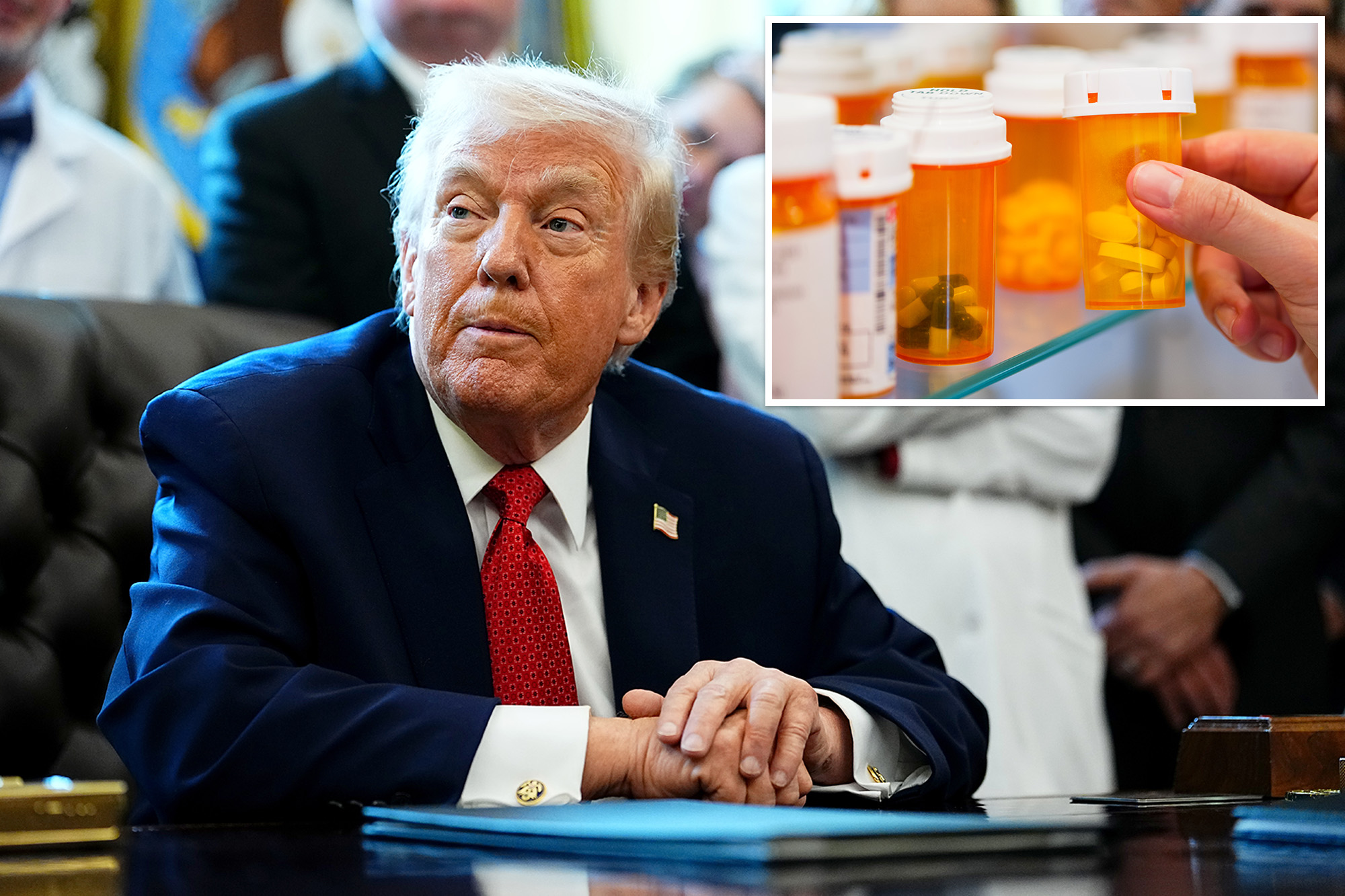
Drug manufacturers are set to increase the prices on at least 350 branded medications in the United States, including vaccines for COVID-19, RSV, and shingles, as well as the cancer treatment Ibrance. This decision comes despite pressure from President Donald Trump to reduce drug prices. The data, provided by the healthcare research firm 3 Axis Advisors, indicates a rise from over 250 drugs that had planned price increases at the same time last year.
The median price hike for these medications is approximately 4%, consistent with the increases observed in 2025. It is important to note that these price adjustments do not account for any rebates to pharmacy benefit managers or other forms of discounts. Alongside these increases, drugmakers will also reduce the list prices on about nine medications. This includes a significant price cut of more than 40% for Jardiance, a diabetes treatment developed by Boehringer Ingelheim and Eli Lilly.
The price reduction for Jardiance is particularly noteworthy as it is among ten drugs whose prices were negotiated lower for the Medicare program, which serves individuals aged 65 and older. Under the negotiations, the price of Jardiance was reduced by two-thirds. Currently, U.S. patients pay the highest prices for prescription medications, often nearly three times what patients pay in similarly affluent countries. President Trump has been advocating for drugmakers to align their prices with those in other developed nations.
Despite ongoing negotiations, the price increases on these 350 medicines occur even as Trump has struck agreements with 14 drugmakers regarding the pricing of certain medications for the government’s Medicaid program and for cash-paying patients. Notable companies involved include Pfizer, Sanofi, Boehringer Ingelheim, Novartis, and GSK, many of which are also planning to raise prices on select drugs.
Dr. Benjamin Rome, a health policy researcher at Brigham and Women’s Hospital in Boston, commented on the situation, stating, “These deals are being announced as transformative when, in fact, they really just nibble around the margins in terms of what is really driving high prices for prescription drugs in the U.S.” He suggested that companies appear to be maximizing prices while negotiating discounts with health and drug insurers, leading to a varied pricing structure for direct consumer sales.
Among the companies announcing price hikes, Pfizer reported the most significant increases, affecting around 80 different drugs. These include Ibrance, the migraine medication Nurtec, and the COVID treatment Paxlovid, as well as several hospital-administered drugs like morphine and hydromorphone. Most of Pfizer’s price increases remain below 10%, although the COVID vaccine Comirnaty saw a 15% increase, with some hospital drugs experiencing price jumps of over four times their previous amounts. Pfizer defended its price adjustments, stating that the changes are below the overall rate of inflation and are necessary to support ongoing investments in new medicines.
Historically, larger price increases were more common, but drugmakers have been scaling back in response to criticism from lawmakers and new government policies that penalize companies for price hikes that exceed inflation rates. In addition to Pfizer, European drugmaker GSK plans to increase prices on approximately 20 drugs and vaccines by 2% to 8.9%. GSK emphasized its commitment to maintaining reasonable prices while insisting that the hikes are essential for scientific innovation.
Both Sanofi and Novartis did not respond to requests for comments regarding their planned price increases. Industry observers anticipate that more price hikes and cuts will emerge in early January, a time that typically sees the greatest number of price adjustments from drugmakers.
The insights from 3 Axis Advisors, which collaborates with pharmacist groups and health plans, highlight ongoing challenges in the pharmaceutical pricing landscape, where the balance between innovation and affordability remains a contentious issue.