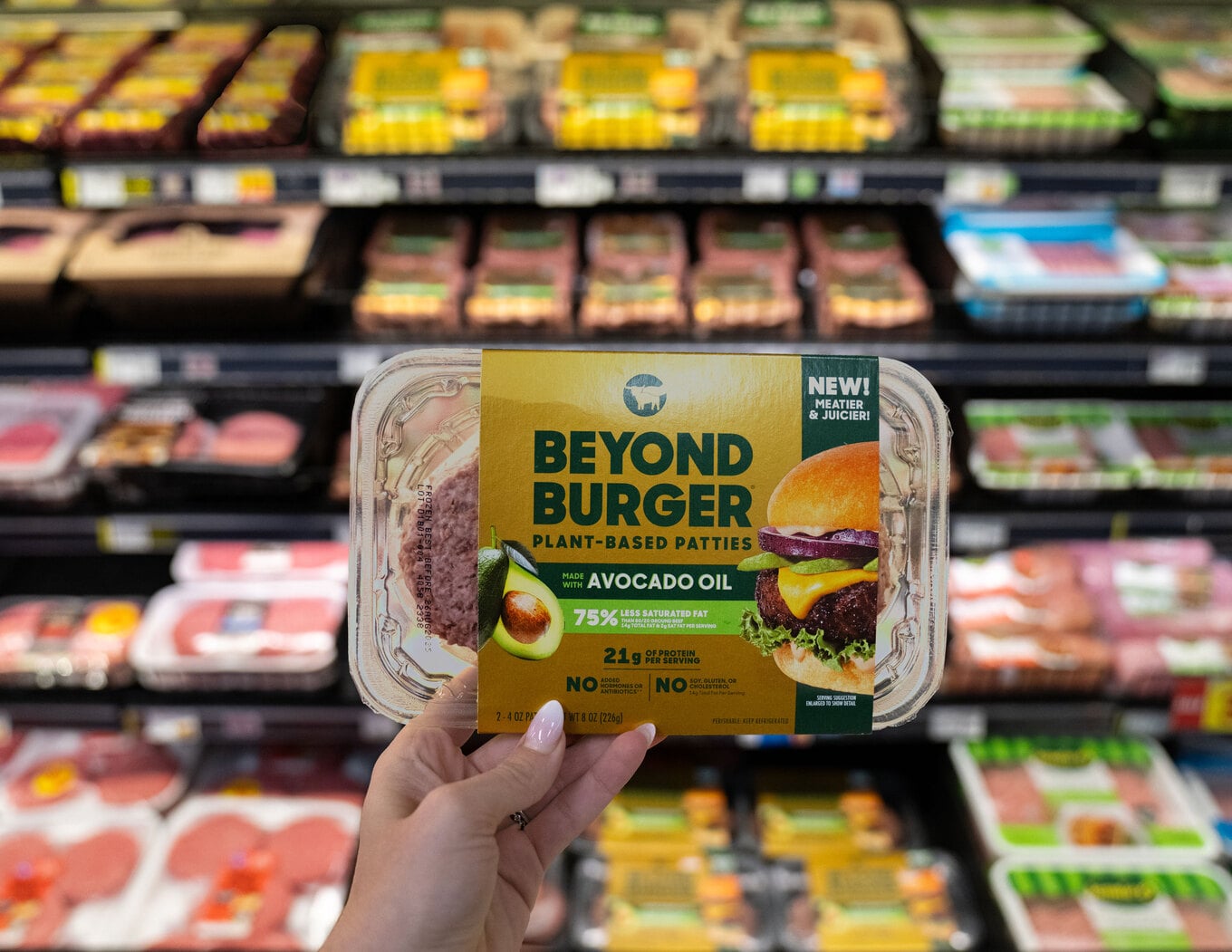
The shift towards a plant-based diet is gaining momentum as health experts highlight the benefits of reducing or eliminating meat consumption. Numerous studies indicate that not only does a meat-free diet support personal health, but it also contributes positively to the environment. With the market for plant-based alternatives projected to reach $162 billion by 2030, the demand for meat substitutes is at an all-time high.
Prominent figures in the medical community argue against the necessity of meat in human diets. Cardiologist William C. Roberts asserts, “Although most of us conduct our lives as omnivores, human beings have characteristics of herbivores, not carnivores.” This perspective echoes the growing trend of meat-free diets, with an increasing variety of plant-based options now available at grocery stores and restaurants.
Understanding Protein Needs
Protein is essential for maintaining health, with requirements varying based on factors such as age and activity level. The general recommendation is 0.8 grams of protein per kilogram of body weight. For instance, someone weighing 150 pounds should consume approximately 52 grams of protein daily. While many adults consume about 16 percent of their daily calories from protein, those with an active lifestyle may need only 10 percent according to research by Harvard Medical School.
Plant-based sources of protein, including whole grains, beans, and nuts, are not only plentiful but also provide health advantages over animal proteins. Studies suggest that diets rich in plant protein correlate with lower mortality rates compared to those high in animal protein.
Health Benefits of Reducing Meat Consumption
The medical community increasingly advocates for reducing meat intake to mitigate health risks associated with its consumption. Red and processed meats, in particular, are linked to various health concerns, including heart disease and certain cancers. A recent study from Oxford University connects the consumption of red and processed meats with a higher risk of nine non-cancerous illnesses, further reinforcing the call for a more plant-centric diet.
The health benefits of eliminating meat are numerous. Research conducted by T. Colin Campbell, PhD, indicates that a diet devoid of animal products can lead to significant health improvements within days. “Heart disease begins to clear up in a week or two,” he states, emphasizing the transformative impact of a whole food plant-based diet.
1. **Heart Health**: A plant-based diet is associated with a lower risk of heart disease. Research from the Physicians Committee for Responsible Medicine supports this finding, highlighting the advantages of vegetarian and vegan diets.
2. **Stroke Risk Reduction**: Increasing the intake of healthy plant foods like leafy greens and legumes can decrease stroke risk by up to 10 percent, according to findings from Harvard Health.
3. **Blood Sugar Management**: Evidence suggests that a healthy plant-based diet can be more effective than medication in managing type 2 diabetes.
4. **Cancer Protection**: Plant-based diets are linked to lower cancer risks. A study by Oxford University found that vegetarians have a 14 percent lower risk of developing cancer compared to meat-eaters.
5. **Lower Blood Pressure**: A review of dietary studies shows that vegetarian diets can lower systolic blood pressure by an average of 2.66 mmHg compared to meat diets, while vegan diets show even greater reductions.
6. **Gut Health Improvement**: A diet rich in fiber from plant foods supports healthy gut bacteria, which is crucial for overall health and reducing inflammation.
7. **Dementia Protection**: Antioxidants present in plants may help delay aging and protect against neurodegenerative diseases, including Alzheimer’s.
Transitioning to a plant-based diet does not mean sacrificing protein. Several excellent vegan protein sources are readily available.
– **Seitan**: This wheat-based protein contains 15 to 21 grams of protein per three-ounce serving.
– **Tofu**: A versatile ingredient, half a cup of firm tofu provides about 10 grams of protein.
– **Lentils**: Half a cup of cooked lentils adds 12 grams of protein to meals.
– **Beans**: Just half a cup of beans offers 6 to 9 grams of protein along with essential fiber.
– **Chickpeas**: A half cup contains approximately 7.5 grams of protein.
– **Quinoa**: This ancient grain provides 8 grams of protein per cup and contains all essential amino acids.
Adjusting to a lower meat intake can be gradual and manageable. Here are some practical tips for making the transition:
1. Explore vegan cookbooks to discover appealing recipes that replace meat-based dishes.
2. Start your day with meatless breakfasts, such as oatmeal or scrambled tofu.
3. Increase your intake of fruits and vegetables to enhance satiety and nutrition.
4. Experiment with large, hearty salads filled with diverse ingredients.
5. Use vegan meat substitutes sparingly due to their processing and sodium content.
6. Consult a healthcare professional regarding potential vitamin deficiencies, especially B12 and D.
As individuals become more aware of the health risks associated with meat consumption and the benefits of plant-based eating, the movement towards vegetarianism and veganism is expected to grow. Transitioning to a diet rich in plant-based foods not only promotes personal health but also contributes to environmental sustainability and animal welfare.