As families prepare for festive celebrations, dementia experts are urging individuals to remain vigilant for potential signs of the condition during Christmas dinner gatherings. The holiday season often brings relatives together, providing a unique opportunity to observe behaviors that may indicate cognitive decline.
Recognizing signs of dementia can be challenging, particularly in social settings where distractions abound. According to the Alzheimer’s Society, subtle changes in a loved one’s behavior during communal meals can signal the onset of dementia. Key indicators include difficulty following conversations, confusion about familiar recipes, or repeated questions.
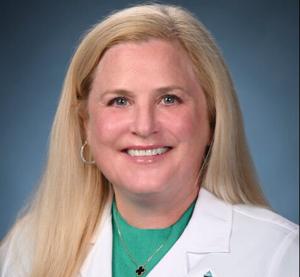
Experts emphasize that the festive environment can exacerbate symptoms. For instance, the noise and busyness of family gatherings might overwhelm individuals with early-stage dementia, making it harder for them to express themselves. Dr. Claire M. Allen, a consultant psychiatrist with the National Health Service (NHS), notes that these gatherings can serve as a litmus test for cognitive health.
What to Look For
When hosting or attending Christmas dinners, family members should keep an eye out for specific signs. Difficulty in remembering names of family members, struggling to follow the flow of conversation, or needing assistance with simple tasks like setting the table may be red flags.
Dr. Allen explains that these signs can sometimes be overlooked in the festive spirit. “Family members might chalk up confusion to holiday stress or fatigue,” she says. “But it’s essential to note these changes, as they could be early indicators of dementia.”
Additionally, experts recommend that families create a supportive environment. Encouraging open dialogue, minimizing distractions, and allowing individuals to take breaks can help those who may be experiencing cognitive difficulties.
How to Approach the Conversation
If you observe concerning signs in a loved one, initiating a conversation about cognitive health can be daunting. According to the Alzheimer’s Society, approaching the topic with sensitivity and understanding is key. It is advisable to express concern without being confrontational.
Using examples from the Christmas dinner can help contextualize your worries. For instance, saying, “I noticed you seemed a bit lost when we were talking about our holiday plans,” can open up a dialogue without causing distress.
If concerns persist, seeking advice from healthcare professionals can provide clarity. Gaining insights from specialists not only aids in understanding the situation but also equips families with the knowledge to support their loved ones effectively.
Recognizing potential signs of dementia during holiday gatherings can be crucial in ensuring timely intervention. With careful observation and compassionate communication, families can navigate this sensitive topic while maintaining the spirit of the season.