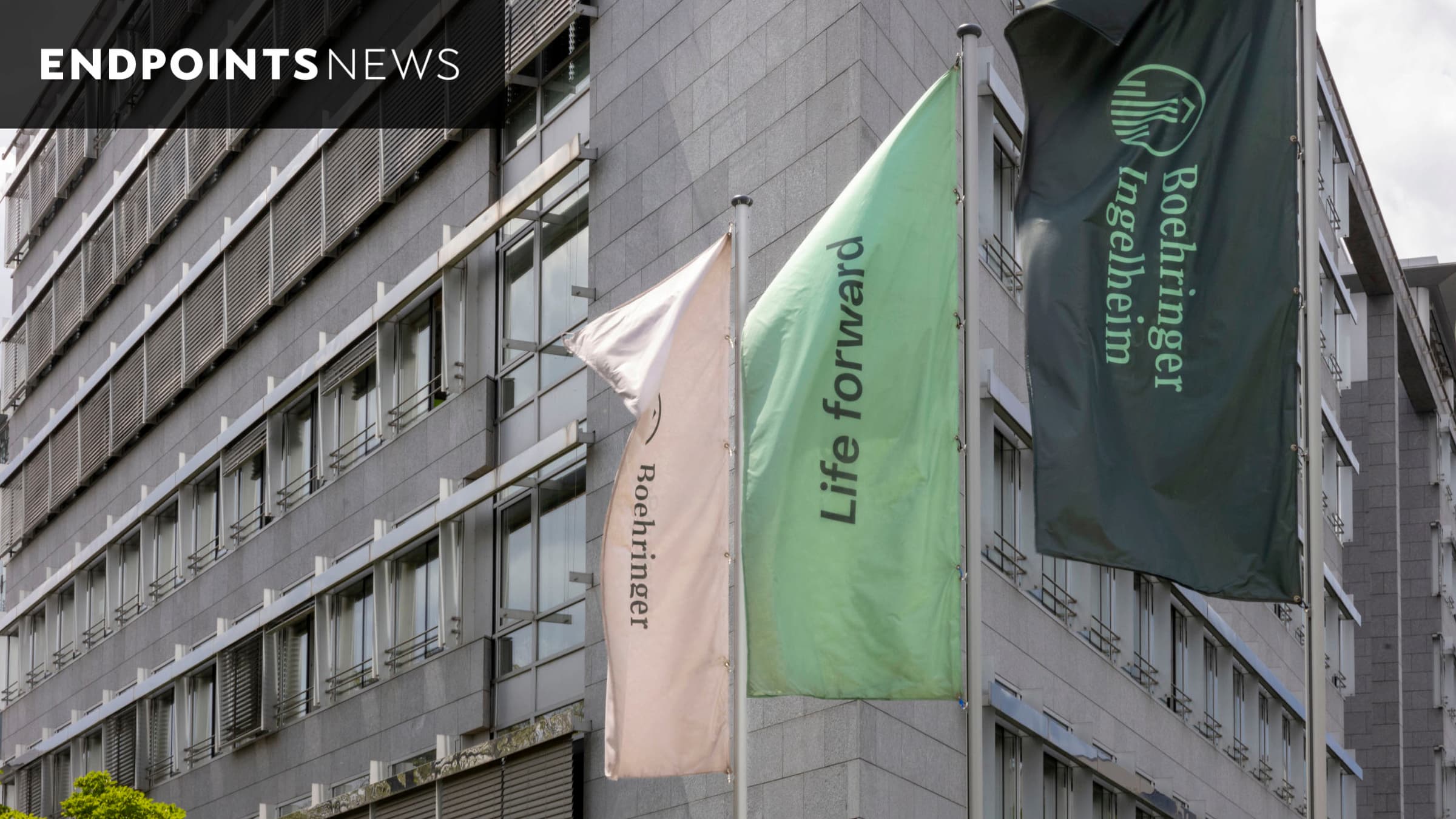
Boehringer Ingelheim has announced the termination of its Phase 2 MASH program, which aimed to investigate an experimental cancer drug targeting the CD47 pathway. This pathway has long been regarded as a promising yet challenging area in oncology, particularly for addressing liver disease. The decision marks a significant setback for the pharmaceutical company, which had high hopes for the drug’s potential.
The CD47 pathway has been a focal point in cancer research due to its role in helping tumors evade the immune system. By inhibiting this pathway, researchers aim to enhance the body’s ability to fight cancer. However, the complexities involved in this therapeutic approach have led to mixed results in clinical trials.
Despite initial optimism, Boehringer Ingelheim’s latest results from the Phase 2 trials did not meet the necessary efficacy benchmarks. This outcome has prompted the company to reassess its strategy and redirect resources toward other promising projects in its pipeline.
Challenges in Targeting the CD47 Pathway
The difficulties associated with the CD47 pathway are well-documented. While it has shown potential in preclinical studies, translating these results into successful treatments in humans has proven to be elusive. Numerous pharmaceutical companies have encountered similar challenges, leading to a cautious approach in further developing drugs that target this pathway.
Boehringer Ingelheim’s decision to halt the MASH program highlights the inherent risks involved in drug development, particularly within oncology. The complexities of cancer biology often result in unexpected challenges, complicating the path to successful therapies.
The company remains committed to advancing its research and development efforts, focusing on other innovative treatments that may yield more favorable outcomes. As part of its ongoing strategy, Boehringer Ingelheim will continue to explore alternative avenues in cancer therapeutics.
Looking Ahead
While the discontinuation of the Phase 2 MASH program is disappointing for Boehringer Ingelheim, the company is not alone in facing setbacks within the competitive landscape of cancer research. The pharmaceutical industry is rife with challenges, and many organizations are continually evaluating their portfolios to ensure they prioritize the most promising candidates.
As Boehringer Ingelheim shifts its focus, the landscape of cancer treatment remains dynamic. Ongoing advancements in immunotherapy and targeted therapies continue to offer hope for patients battling various forms of cancer, and the industry is watching closely for breakthroughs that may arise from these efforts.
With this latest development, Boehringer Ingelheim emphasizes its dedication to innovation and the pursuit of effective treatments for challenging diseases. The company aims to harness its expertise and resources to foster new solutions that can ultimately improve patient outcomes in the future.