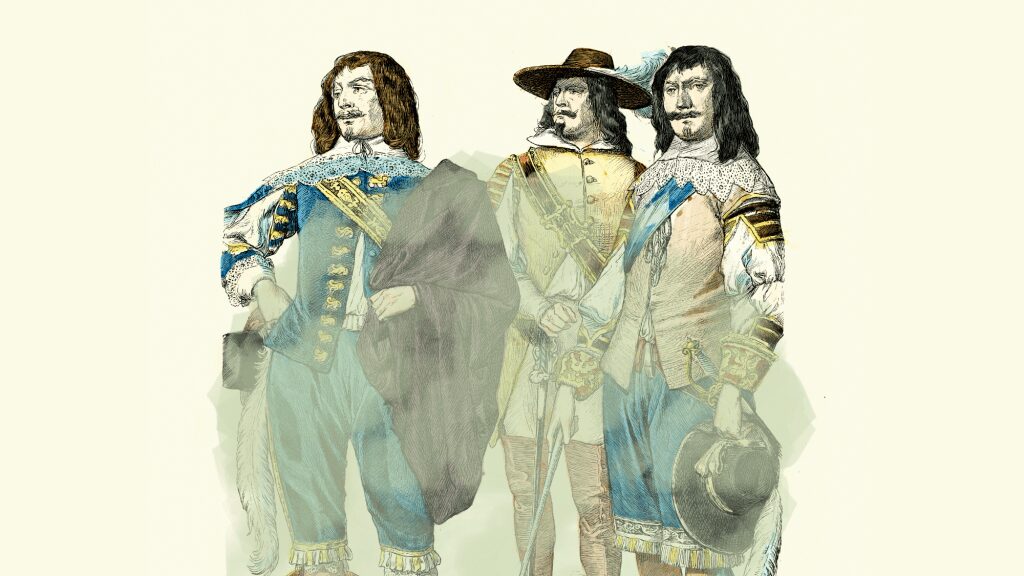
The vanvera, a peculiar device from the 17th century, provided a discreet solution for aristocrats dealing with a common yet often unspoken issue: flatulence. Designed to trap sound and odor, this small leather pouch allowed its users to maintain decorum during social gatherings without drawing attention to their natural bodily functions.
### The Design and Purpose of the Vanvera
Historical accounts suggest that the vanvera was most commonly associated with upper-class women, primarily due to the layered dresses typical of the era, which made concealment relatively straightforward. According to reports from Oddity Central, this device emerged in Europe during the 1600s, with a notable presence in Italy, where societal etiquette placed a high value on manners and poise.
One present-day example can be seen at the Sex Machines Museum in Prague. The vanvera was ingeniously crafted to sit against the wearer’s backside, effectively trapping both sound and smell. Once the moment of privacy had passed, the pouch could be emptied by hand, a testament to the lengths people went to preserve their social status.
### Variations and Unsuccessful Designs
The vanvera existed in various forms. The simplest version was a basic leather sack worn beneath skirts, while wealthier households often employed more elaborate mechanisms. Some aristocrats devised intricate piping systems connected to their beds, allowing nighttime flatulence to be expelled through windows into the open air. Such inventions highlight how reputation overshadowed comfort during this period.
Various design experiments also surfaced, including a metal variant that incorporated dried herbs like lavender and rosemary, intended to mask odor. Unfortunately, while this version mitigated smell, it failed to address sound, ultimately rendering it ineffective for its intended purpose.
### The Cultural Implications of the Vanvera
The fascination with the vanvera extends beyond its absurdity; it reflects a long-standing human concern regarding bodily functions and societal expectations. Throughout history, individuals have sought ways to navigate the complexities of social interactions, often resorting to innovative solutions.
Though the vanvera never achieved widespread use and eventually faded into obscurity with the advent of modern plumbing and changing fashions, it serves as a reminder of the lengths to which people will go to maintain dignity. Before the advent of scented candles and discreet excuses, the aristocracy engineered solutions to preserve their social standing, often in unusual ways.
In conclusion, the vanvera encapsulates a blend of historical curiosity and human behavior, showcasing how societal norms have influenced bodily experiences throughout the ages.