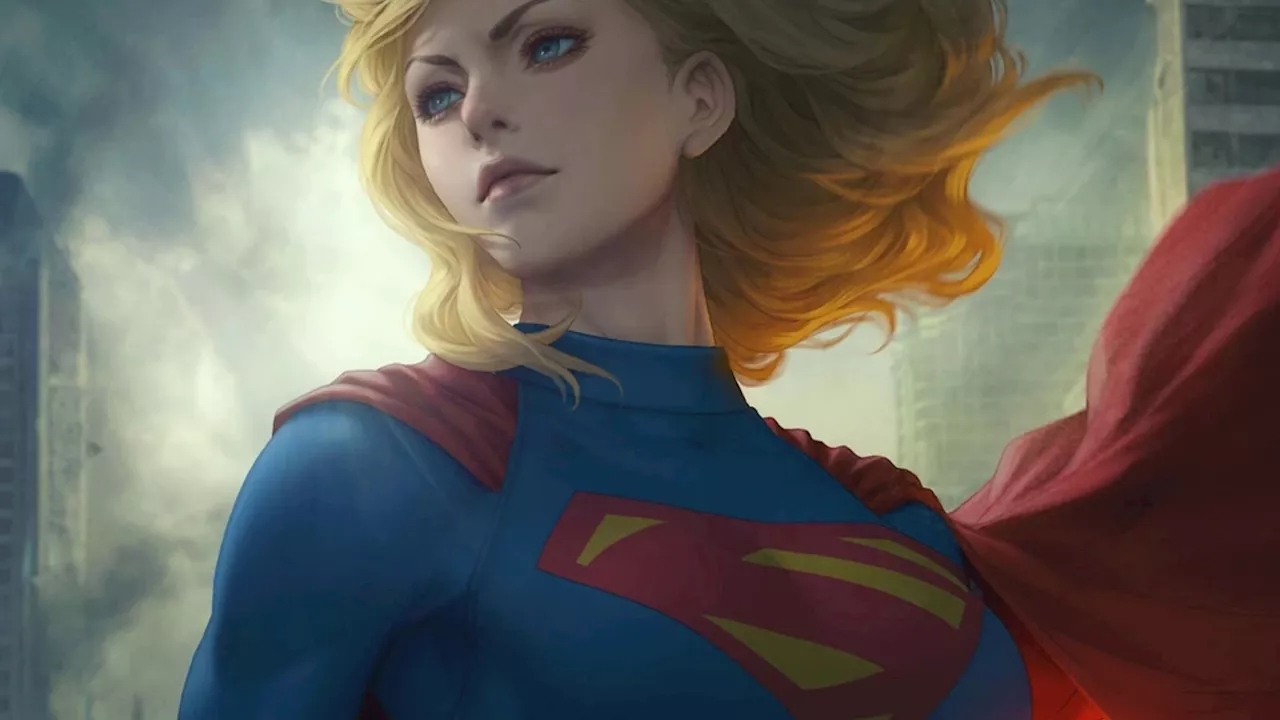
In the latest issue of the Supergirl series, the character grapples with a haunting decision reminiscent of a pivotal moment in Superman’s past—abandoning a friend in distress. This narrative thread delves into the emotional consequences of such choices, exploring themes of abandonment and the complexities of heroism.
The storyline, penned by Sophie Campbell and Haining, unfolds during the Christmas season in Midvale. Supergirl, also known as Kara Zor-El, encounters her new friend Lesla-Lar, who is eager to share the holiday spirit with her. However, Kara’s reluctance to engage in the festivities reveals a deeper struggle as she wrestles with her own gloomy feelings.
As the plot progresses, Supergirl faces an unexpected crisis when a mysterious stranger invades her home. The ensuing investigation leads Kara and Lesla back to the Midvale Orphanage, a place steeped in her past. This visit stirs up painful memories, particularly related to her own abandonment years ago when Superman, her cousin, chose to send her to an orphanage to protect their identities.
The story takes a dramatic turn when Supergirl discovers her long-forgotten robot duplicate, which has fallen into disrepair. The automaton confronts Supergirl about its abandonment, expressing confusion and anger over being left behind. During this emotional exchange, Supergirl offers an apology but struggles to justify her past actions, unable to provide a clear answer to the robot’s poignant question: “Why did you abandon me?”
This moment serves as a significant teaching opportunity for Lesla, illustrating that even the most heroic figures can falter. Supergirl reflects on the inevitability of failure in heroism, stating that no matter how well-intentioned one may be, some individuals inevitably slip through the cracks.
The narrative cleverly intertwines elements from the Silver Age of comic books, effectively modernizing aspects of Supergirl’s history while enhancing the depth of her character. While the notion of Superman’s decision to send Kara to an orphanage may seem unsettling, it adds complexity to his portrayal, highlighting that even revered heroes can make grave mistakes.
This storyline does not vilify Superman or Supergirl; rather, it presents them as multifaceted characters who navigate the difficult terrain of responsibility and the consequences of their decisions. The emotional weight of Supergirl’s actions adds layers to her character, illustrating her humanity despite her Kryptonian powers.
Ultimately, the series acknowledges a truth that many superhero narratives often overlook: failure is a part of life. By showcasing Supergirl’s missteps and the resulting emotional fallout, the story crafts a more realistic and relatable depiction of what it means to be a hero.
Readers are invited to reflect on Supergirl’s latest adventure and share their thoughts on the complexities of heroism and the impact of past decisions in the comments section. As this engaging series continues to evolve, it remains a testament to the enduring appeal of superhero narratives that resonate with the human experience.