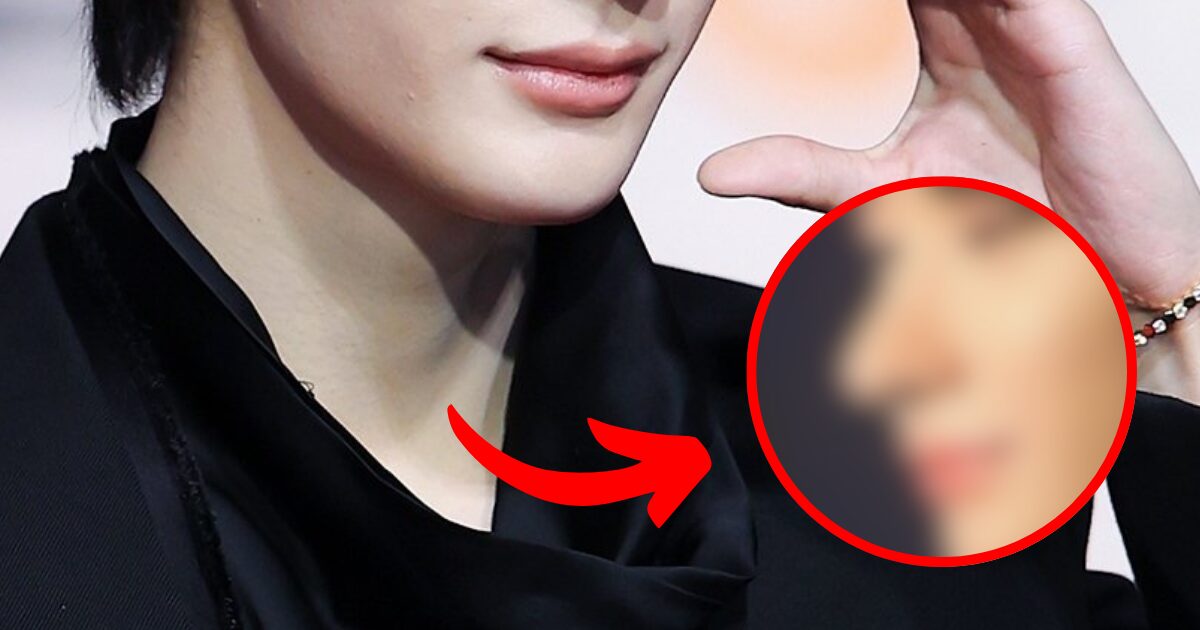
The popular K-pop group RIIZE is in the spotlight for unexpected reasons, as member Anton has recently become the subject of intense scrutiny online. While his status as an idol typically attracts admiration, a recent post mocking his nose has sparked a wave of criticism from Korean netizens, leading to an unprecedented backlash.
The controversy began with a viral post on Pann, a popular Korean online forum, where users shared screenshots of Anton’s side profile. The post quickly gained traction, becoming one of the most viewed discussions on the platform. One comment humorously compared Anton’s nose to that of the character Pinocchio, illustrating the nature of the mockery.
Responses from users varied widely, with many expressing ridicule. Comments included remarks such as “It’s similar to Sakura’s nose,” and “Every time I see it, it looks like it’s getting bigger.” Others questioned his authenticity, stating, “How many lies has he told?” The reaction highlights a stark contrast in how idols are perceived by the Korean public compared to international fans.
In stark contrast, Anton has received considerable support from international audiences across social media platforms, including X (formerly Twitter). Fans around the world have taken to the platform to express their admiration for the RIIZE member. One user tweeted, “I want Anton so bad it’s not funny anymore,” while another remarked, “Anton is getting hotter and hotter every time we see him.” Such posts showcase a different narrative, emphasizing the divide in perceptions of K-pop idols.
The mixed reactions towards Anton reflect broader themes within the K-pop industry, where idols often face scrutiny in their home country while simultaneously gaining international acclaim. This phenomenon underscores the varying standards of beauty and acceptance across cultures.
As the situation develops, it remains to be seen how Anton and the RIIZE group will respond to the ongoing discourse. The incident has ignited conversations about the pressures faced by idols and the expectations placed upon them, particularly regarding physical appearance.
The recent backlash against Anton serves as a reminder of the complexities of fame in the digital age, where public opinion can shift rapidly and dramatically. As K-pop continues to gain global popularity, the contrasting reactions from domestic and international fans highlight the challenges idols face in navigating their public personas.