World War II remains one of the most pivotal events in modern history, its impacts reverberating through various aspects of culture, including cinema. Films depicting this monumental conflict have been created since the war itself, encompassing a wide range of genres and perspectives. From epic tales of heroism to intimate dramas exploring pain and suffering, these films reflect the complexities of human experience during wartime.
As we look back over nearly a century of cinema, certain films stand out not only for their storytelling but also for their emotional depth and historical significance. Here are ten of the greatest World War II films that have made an indelible mark on the film industry.
The Best Years of Our Lives
Focusing on the psychological toll of war, The Best Years of Our Lives stands out for its sensitive portrayal of veterans returning home. Directed by William Wyler, the film follows three servicemen as they struggle to reintegrate into civilian life. Released just a year after the war ended, it highlights issues such as post-traumatic stress disorder, which was not well understood at the time. The performances by Fredric March and non-professional actor Harold Russell, who lost both hands during the war, earned them Academy Awards. This landmark film continues to resonate with audiences today.
Das Boot
Submarine warfare offers a unique perspective on the horrors of conflict, and Das Boot, directed by Wolfgang Petersen, is perhaps the most authentic representation of this genre. Based on a true story, the film captures the harrowing experiences of a German U-boat crew during the war. The production was notably laborious, with a year-long shoot that authentically portrayed the physical and mental strains of the crew. Shot in sequence, the cast’s gradual exhaustion adds a palpable sense of desperation, making it a standout in World War II cinema.
Dunkirk
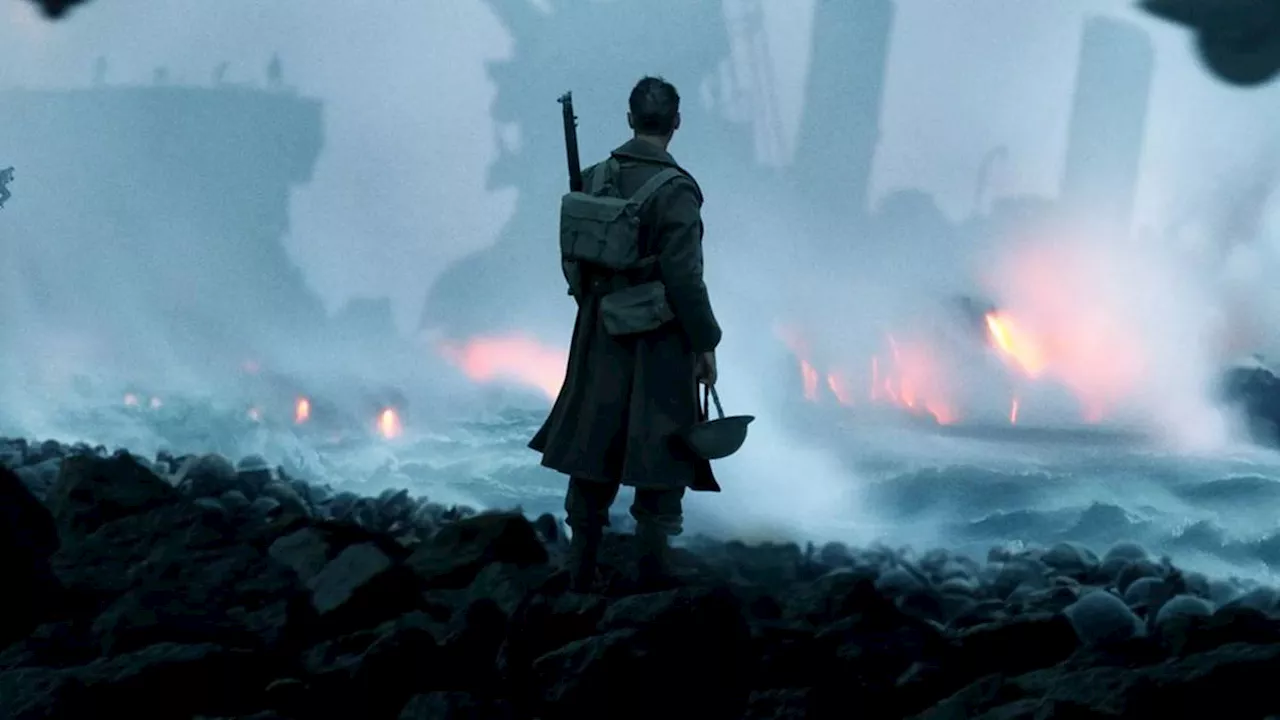
Director Christopher Nolan delivered a masterclass in suspense and spectacle with Dunkirk, which chronicles the evacuation of Allied troops from Dunkirk, France. The film employs a nonlinear narrative that intertwines three different perspectives, building tension throughout. With minimal dialogue and an emphasis on practical effects, Dunkirk immerses viewers in the chaotic experience of battle, stripping the narrative of unnecessary sentimentality and focusing on the human cost of war.
The Great Escape
For audiences seeking a blend of action and escapism, The Great Escape is an iconic prisoner-of-war film based on true events from a German POW camp. Featuring an ensemble cast that includes Steve McQueen and Richard Attenborough, the film showcases a daring escape attempt filled with adventure and camaraderie. While not historically accurate, it remains a thrilling depiction of resilience and ingenuity in the face of adversity.
Casablanca
As a quintessential World War II romance, Casablanca has captivated audiences since its release. Starring Humphrey Bogart and Ingrid Bergman, the film tells the story of former lovers reunited in Vichy-controlled Casablanca. The film explores themes of sacrifice and love against the backdrop of war, featuring memorable dialogue and exceptional performances. Its enduring legacy as a classic underscores the power of romance amidst conflict.
Grave of the Fireflies
Offering a harrowing perspective on war, Grave of the Fireflies is a poignant animated film by Isao Takahata. Set during the final days of the Pacific War, it follows a brother and sister struggling to survive after their home is destroyed. This unique narrative emphasizes the devastating impact of war on civilians, making it essential viewing, although its emotional weight may be difficult for many to bear.
Schindler’s List
The Holocaust remains one of history’s darkest chapters, and Schindler’s List, directed by Steven Spielberg, serves as a powerful reminder of the atrocities committed during this period. Based on the true story of Oskar Schindler, who saved over a thousand Jewish lives, the film does not shy away from depicting the horrors of the Holocaust. Spielberg’s meticulous approach resulted in a film that is both harrowing and necessary, cementing its place as a significant cinematic achievement.
The Bridge on the River Kwai
Directed by David Lean, The Bridge on the River Kwai captures the complexities of honor and duty among POWs forced to build a railway bridge. While the narrative is fictionalized, the film presents a compelling exploration of moral conflict amid the futility of war. Alec Guinness delivers a powerful performance as a colonel obsessed with the bridge’s construction, revealing the psychological toll of captivity and the absurdity of war.
Army of Shadows
Army of Shadows, directed by Jean-Pierre Melville, offers a grim view of wartime resistance. Following members of the French Resistance, the film eschews romanticized portrayals of espionage, instead presenting the harsh realities of betrayal and sacrifice. Initially met with critical backlash, the film’s reputation has since grown, establishing it as a complex exploration of the moral ambiguities faced during conflict.
Come and See
As one of the most harrowing war films, Come and See depicts the Nazi occupation of Byelorussia through the eyes of a young boy. Directed by Elem Klimov, the film is both surreal and brutally realistic, immersing viewers in the atrocities of war. The narrative highlights the psychological impacts of violence on the innocent, making it an unforgettable and haunting cinematic experience.
These ten films illustrate the vast range of stories that can be told about World War II. Each contributes uniquely to our understanding of the human experience during one of history’s most significant conflicts, ensuring that the lessons learned from this era continue to resonate with audiences worldwide.