A coalition of over 1,000 musicians has launched a campaign to prevent their music from being streamed in Israel, part of a broader initiative titled “No Music For Genocide.” This move has sparked significant debate regarding the effectiveness and implications of using music as a political statement amid ongoing conflict in the region.
The campaign features various notable artists, including Paloma Faith, Lorde, and Björk. They aim to express solidarity with the plight of Gazans during a time of intense humanitarian crisis. Supporters argue that this action sends a strong message against the violence and suffering caused by the ongoing conflict. Critics, however, question whether this approach will genuinely foster peace or merely deepen divisions.
Music as a Tool for Change or Division?
The rationale behind the campaign comes in the wake of a devastating terrorist attack in Israel, followed by years of violence and failed negotiations. Many observers argue that preventing access to music from certain artists will not sway political leaders or impact the humanitarian situation in Gaza. The feeling among some is that denying Bibi Netanyahu, Israel’s Prime Minister, access to popular music will not elicit the desired empathy for Gazans suffering from the conflict.
Many people in Gaza are facing severe hardships, including inadequate shelter as winter approaches. The notion that a music boycott could impact their situation seems to overlook the pressing realities they confront daily.
While the campaign includes plans to release a reimagined Palestinian song aimed at raising funds for humanitarian aid, critics assert that the musicians involved may not be addressing the complexities of the situation. Instead of bridging gaps, the campaign appears to widen them, promoting a narrative that excludes voices from the other side of the conflict.
Music, often hailed for its ability to transcend boundaries, could instead serve as a unifying force. The late Chief Rabbi, Lord Jonathan Sacks, noted, “Words are the language of the mind. Music is the language of the soul.” The current boycott may inadvertently alienate those who could benefit from shared understanding through music.
A Call for Dialogue and Understanding
Some artists, like Dudu Tassa, have actively sought to promote peace through collaboration. Tassa’s album with Jonny Greenwood from Radiohead emphasizes friendship, featuring performances with Palestinian artists such as Nour Freteikh. Their work exemplifies the potential for music to foster dialogue rather than division.
Organizations like the New Israel Fund support various NGOs working towards human rights for all residents of the region, including Israelis and Palestinians. Their efforts highlight the importance of recognizing shared humanity rather than perpetuating a divisive narrative.
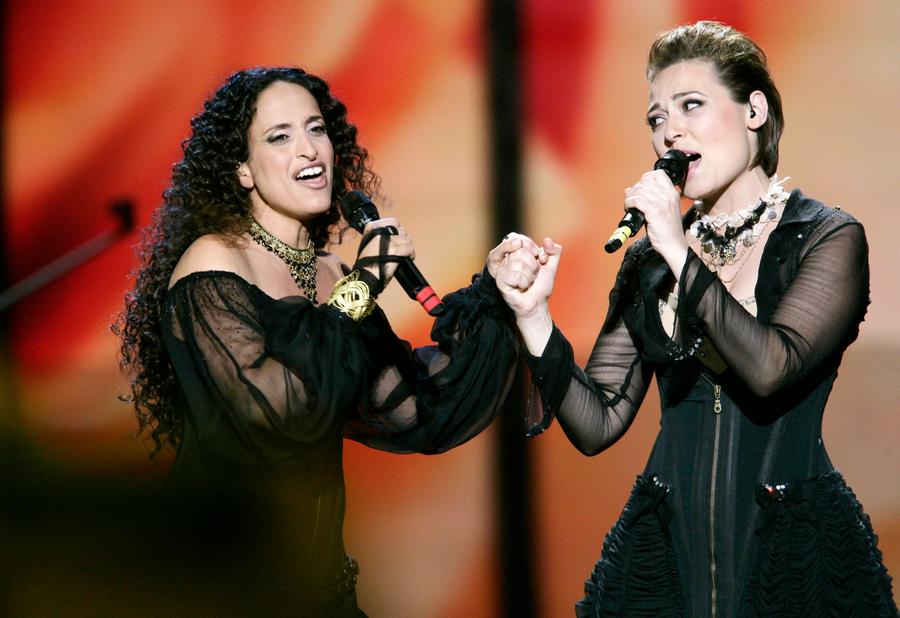
The upcoming Eurovision Song Contest may serve as a platform for reflection on these issues. Past performances, such as the 2009 collaboration between Mira Awad and Noa, demonstrated the power of music to convey messages of peace. Their song, delivered in Hebrew, Arabic, and English, resonated with a collective longing for understanding and reconciliation.
In a time when both Israelis and Gazans seek a future free from conflict, the current campaign could represent a missed opportunity for constructive dialogue. Rather than fostering empathy, the decision to block music may reinforce existing barriers and perpetuate the cycle of conflict.
As artists and activists consider their next steps, it is crucial to remember that the essence of music lies in its ability to connect people across divides. The path to peace may not be found in silencing voices but in amplifying them to create a shared narrative of hope and healing.