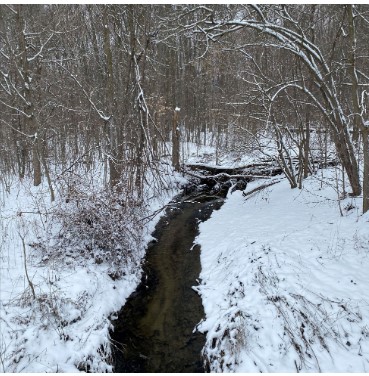
A significant winter storm has swept across the United States, bringing heavy snowfall and dangerously low temperatures. Snow enthusiasts have found joy in this weather, reminiscent of the classic holiday song “Let It Snow.” However, authorities are urging caution as the conditions can pose serious health risks.
This storm, dubbed a “monster storm,” has affected over half the country, with areas like Chicago experiencing temperatures well below zero. While many celebrate the winter wonderland, experts warn that extreme cold can lead to serious health issues, including hypothermia and frostbite. Preparations and precautions are essential for those venturing outdoors.
The National Weather Service issued several warnings prior to the storm’s arrival, advising residents to stay informed. Despite the alerts, some were hopeful for milder conditions. Unfortunately, the predictions proved accurate, and the storm has left a notable impact across various states.
Those who revel in winter activities are encouraged to enjoy the snow but should remain mindful of their safety. For some, the ideal way to experience a snowstorm is from the comfort of home, sipping hot cocoa and enjoying the view. For others, it may be an opportunity to indulge in a favorite childhood treat—snow cream. This classic dessert requires just a few simple ingredients: snow, milk or evaporated milk, vanilla, sugar, and a pinch of salt. It serves as a nostalgic reminder of winters past, particularly for those who grew up in snowy regions like Illinois.
As communities deal with the aftermath of the storm, the contributions of local service workers become increasingly vital. The dedication of highway departments, utility workers, and emergency responders deserves commendation. They work tirelessly in adverse conditions to ensure roads remain navigable and power is restored quickly.
Reflecting on past winter storms, one notable event was the North American ice storm in January 2009, which caused widespread power outages across states including Kansas, Oklahoma, and Kentucky. Over 2 million people were affected, prompting utility workers from various regions to assist in recovery efforts. Many households, including the author’s, faced prolonged outages and turned to generators for power.
As the current storm unfolds, there is a sense of déjà vu for those who lived through similar experiences. The winter of 2025 is already being compared to historic weather events, emphasizing the importance of preparedness. Local publications, such as the Town Courier, have begun documenting the impact of this storm, sharing photographs and stories from the community.
In these challenging conditions, it is crucial to prioritize safety. As the author’s father used to say, “This, too, will pass.” While winter storms may present difficulties, they also offer opportunities for joy and connection, provided one takes the necessary precautions.