The 1986 film Little Shop of Horrors has undergone a remarkable transformation from its Off-Broadway roots to its current status as a cult classic. This article examines the film’s controversial ending, audience reactions, and the eventual restoration of the Director’s Cut, highlighting its unique blend of horror, comedy, and musical elements.
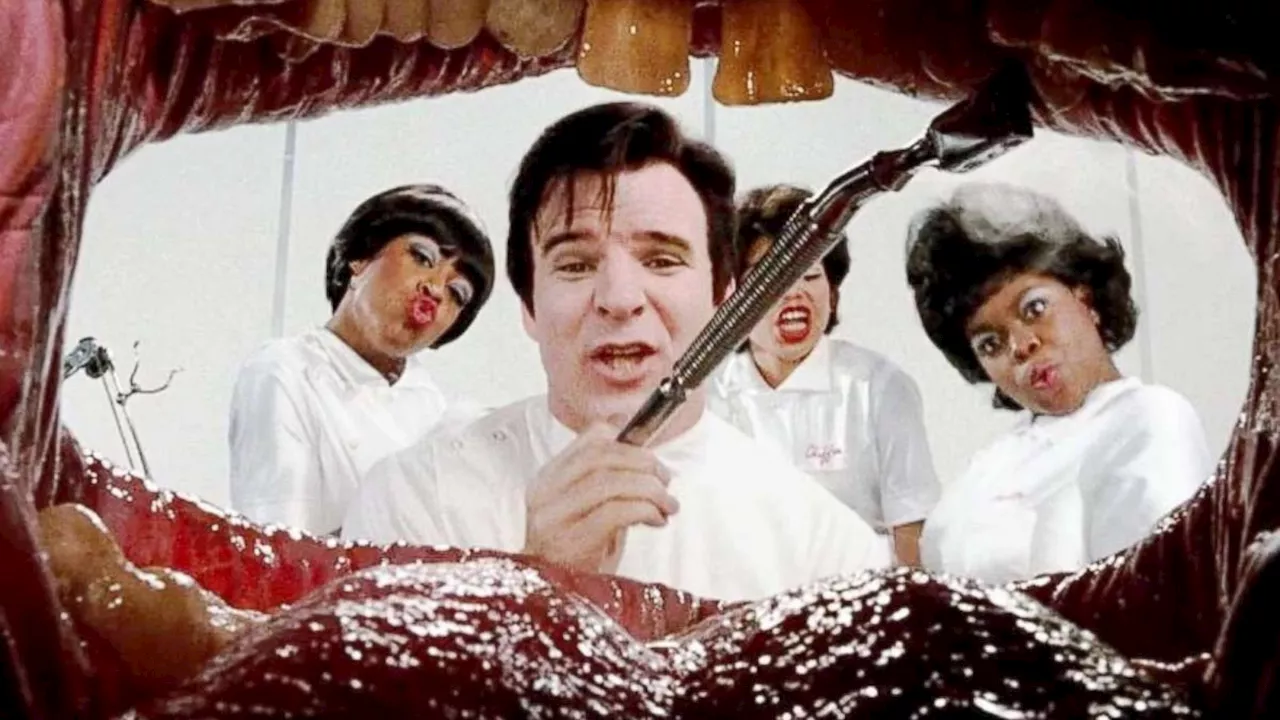
Initially directed by Frank Oz, Little Shop of Horrors adapted the successful Off-Broadway musical created by Howard Ashman and Alan Menken. This musical itself was based on a 1960 film of the same name. Oz’s adaptation became a visual spectacle that utilized innovative cinematic techniques. Though it achieved modest success at the box office, the film gradually solidified its reputation, thanks to its memorable performances, groundbreaking practical effects, and sharp satirical commentary.
The original climax of the film was a faithful representation of the stage musical’s dark finale, where the protagonists face dire consequences for their actions. During a test screening in San Jose, however, audience reactions revealed a stark contrast between expectation and reality. Viewers who had connected with the lead characters reacted negatively to the tragic turn of events. The backlash was so intense that the studio feared the film would be a commercial failure.
To counter the audience’s dissatisfaction, the studio made a drastic decision. The original 23-minute climax was cut, and a new, more optimistic ending was filmed to satisfy viewers. In this revised version, Seymour Krelborn, the protagonist, successfully defeats the monstrous plant and escapes with his love interest, Audrey. While this conclusion offers immediate gratification, it ultimately undermines the film’s central themes of ambition and moral consequence.
The narrative of Little Shop of Horrors is constructed as a Faustian bargain, where Seymour sacrifices his ethics for fame and fortune. In the theatrical cut, he commits heinous acts, including murder, only to be rewarded with a stereotypical suburban life. This tonal shift transforms what was intended as a biting critique of capitalist greed into a more benign comedy, stripping the film of its impactful message.
In 2012, after a lengthy wait of 26 years, the original footage was restored and released as the Director’s Cut. This version reintroduces the darker tone of the story, where Seymour’s rescue attempt falters. The plant devours both Audrey and Seymour, culminating in a cautionary tale about the perils of unchecked ambition. This ending resonates more deeply with the film’s initial themes and provides a stark contrast to the sanitized version.
Additionally, the Director’s Cut includes a remarkable technical achievement—previously discarded scenes showing the plants reproducing and launching a destructive rampage across New York City. These sequences utilize elaborate miniatures and sophisticated puppetry, showcasing some of the finest practical effects of the 1980s. Restoring this footage honors the original vision of Frank Oz and Howard Ashman, while also enhancing the film’s legacy as a significant cultural artifact.
The journey of Little Shop of Horrors illustrates the complex relationship between artistic integrity and audience expectations. Initially dismissed, the film now holds a cherished place in cinematic history, reflecting the evolution of storytelling in film and the ongoing dialogue between creators and their audiences. As viewers continue to discover this cult classic, its themes resonate just as loudly today as they did upon its release.