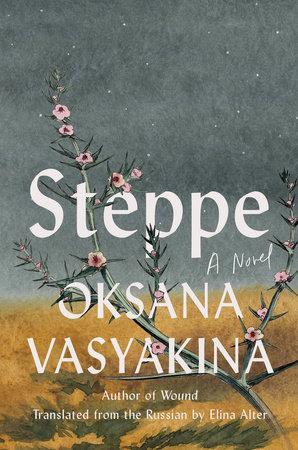
The steppe of Russia, a vast and often desolate landscape, serves as both a backdrop and a character in the lives of those who traverse it. In a vivid narrative, Oksana Vasyakina explores the life of a truck driver navigating this endless terrain, revealing the intertwining of human existence and the expansive natural world.
Vasyakina depicts the steppe as a living entity, characterized by its unique features. It is described as “a sinewy piece of yellow meat,” with dark-orange lines and gray rivers that suggest life rather than barrenness. The presence of grasses, insects, and the occasional snake add vibrancy to this seemingly desolate environment.
Through the eyes of the narrator, who travels with his father, the reader gains insight into the challenges and realities of long-distance trucking. The father, a seasoned driver, recalls a harrowing experience on the road to Volgograd. Loaded with steel pipe just before dawn, he fell asleep at the wheel, only to be startled awake by a collision with a speeding car driven by inebriated police officers. The incident, while tragic, left him unscathed and with a sense of grim justice.
In the narrative, the steppe is not merely a backdrop but a reflection of the father’s life. He prefers transporting steel pipe over perishable goods, appreciating the straightforward nature of his cargo. As he states, “Pipe doesn’t croak and doesn’t spoil,” allowing him to focus on the road rather than the constant worry of his load.
The father’s struggles are emblematic of broader societal changes. Once fertile land, the steppe has seen irrigation systems fall into disrepair as communities abandoned their agricultural roots. Vasyakina highlights how this neglect has led to the theft of abandoned pipes, a reflection of economic desperation. Small-time businessmen exploit the land’s emptiness, engaging in a cycle of theft and reselling, bringing to light the harsh realities faced by many in contemporary Russia.
Vasyakina vividly describes the mundane yet profound moments shared between father and son during their time in the steppe. Whether waiting for cargo or enjoying simple meals, their experiences are marked by a sense of timelessness. Days stretch into an eternity, where boredom and the vast landscape blend into an unsettling stillness. The narrator reflects on the steppe’s ability to evoke both freedom and solitude, illustrating the complexity of their relationship with this unforgiving land.
The father’s perspective on new trucking regulations reveals his frustration with a system that seems to disregard the realities of independent truckers. He resents the idea of being monitored and fined for overwork, arguing that his livelihood depends on flexibility and the ability to respond to the unpredictable nature of his job.
Vasyakina’s portrayal of the steppe culminates in a poignant moment when the father loses his wages to the expansive landscape. As he rolls down the windows to breathe in the fragrant spring air, the steppe claims his hard-earned money, symbolizing the inescapable connection between man and nature.
In this exploration of life on the steppe, Vasyakina captures the essence of a rugged landscape that shapes and defines those who traverse it. The narrative serves as a reminder of the interplay between humanity and the vast, often indifferent world around us. The steppe, with all its beauty and harshness, remains a powerful symbol of resilience and the human spirit.