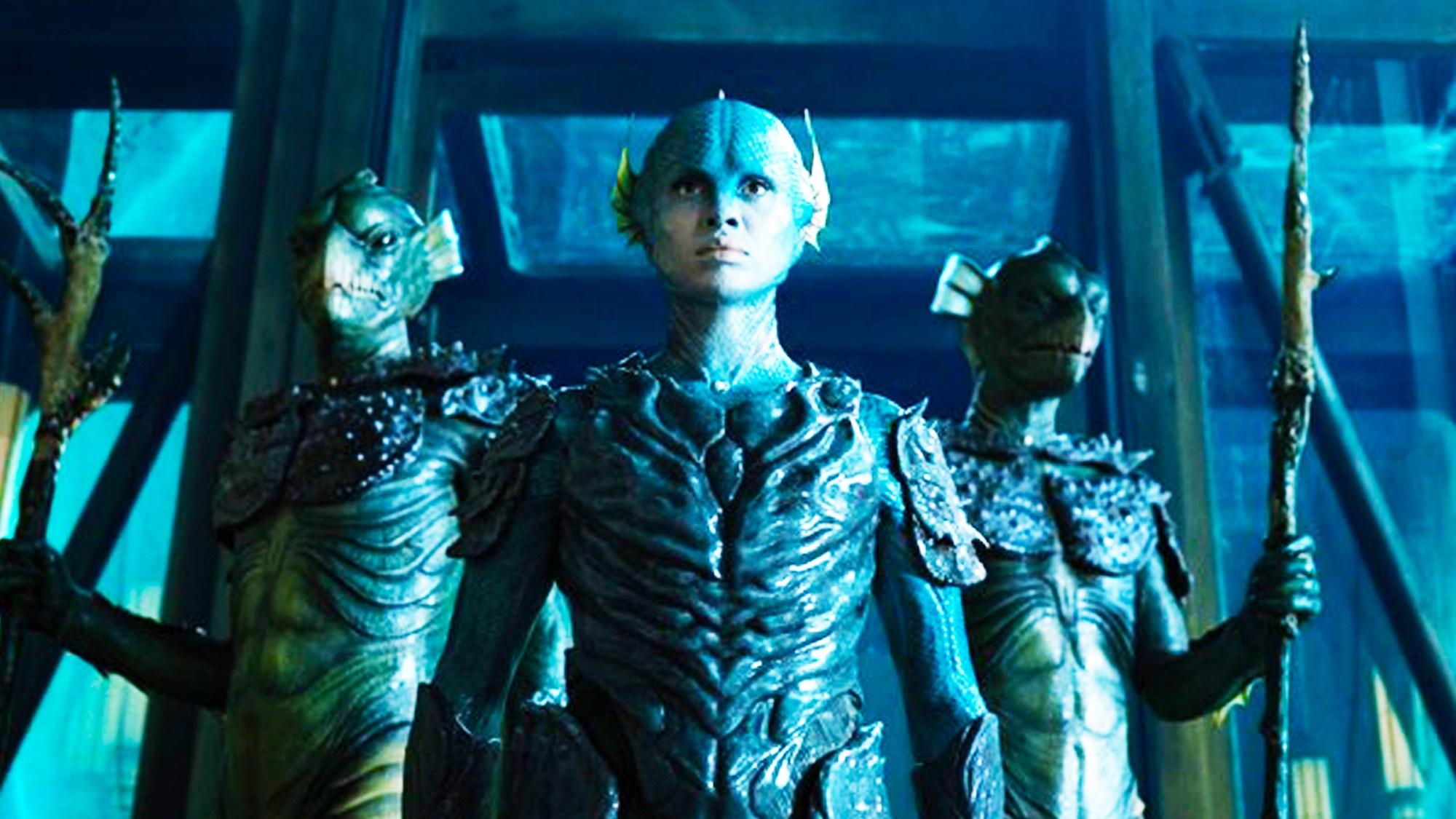
The recent success of two Doctor Who spinoffs has highlighted the effectiveness of a streamlined, five-episode release format. Under the guidance of showrunner Russell T. Davies, the latest spinoff, The War Between the Land and the Sea, has garnered significant acclaim, particularly in contrast to the main series, which has faced criticism for its writing and thematic direction.
This new miniseries, which features classic adversaries the Sea Devils engaging in conflict with humanity, follows a similar release strategy to Torchwood: Children of Earth, a widely praised spinoff that aired in 2009. Both spinoffs consist of just five tightly packed episodes, a format that has proven to maintain high energy and coherence throughout the narrative.
Why the Five-Episode Format Works
The five-episode structure allows for a focused narrative, minimizing filler and maximizing engagement. Torchwood: Children of Earth diverged from its typical week-to-week format to tackle a single, significant global crisis involving an alien species demanding a disturbing tribute of ten percent of the world’s children. This concentrated storytelling resulted in a compelling and poignant series, remaining intense and dramatic over its brief run.
Similarly, The War Between the Land and the Sea follows Barclay, a transport clerk from UNIT, who is thrust into the role of humanity’s ambassador in negotiations with the Sea Devils. The narrative is marked by rapid developments and a sense of urgency, traits that are characteristic of successful event miniseries. The series has maintained a high-octane pace, reminiscent of the earlier Torchwood installment.
The extended format of previous spinoffs, such as Torchwood: Miracle Day, which aired in 2011, has been criticized for losing momentum. Many fans believe that a tighter five-episode run would have resulted in a stronger overall product. A reduced episode count not only cuts costs but also allows for more cohesive storytelling and dynamic action sequences.
Future of Doctor Who Spinoffs
There is growing interest in the potential for more spinoffs following the return of Russell T. Davies and the release of The War Between the Land and the Sea. With many fans calling for new event series, the five-episode format seems well-suited to reinvigorate the franchise’s reputation.
The success of these spinoffs suggests that a focused approach could be the key to future projects. By delivering compact and engaging narratives, producers might better capture audience interest and maintain the franchise’s legacy.
As the Doctor Who universe continues to evolve, it will be fascinating to see how the lessons learned from these recent successes shape upcoming releases. The demand for more concise, impactful storytelling is clear, and the five-episode event may be the model that guides future endeavors.