Narrative films that focus on photography extend beyond simple storytelling; they delve into the complex relationship between image-making and human experience. Here are ten noteworthy movies that capture the essence of photography, presenting it as art, obsession, and a means of survival. Each film is accompanied by its Rotten Tomatoes scores, highlighting both critic and audience reception.
Exploring Ethics and Voyeurism in Hitchcock’s Thriller
Alfred Hitchcock’s classic, featuring Jimmy Stewart as L.B. Jefferies, explores the ethics of seeing through the lens. Jefferies, a photojournalist confined to his apartment with a broken leg, spends his days watching his neighbors through a telephoto lens. When he suspects he has witnessed a murder, the narrative examines the fine line between documentation and invasion of privacy. This film engages viewers in a thrilling discourse on voyeurism and the photographer’s role as a witness, ultimately implicating the audience in its gaze.
Chilling Obsession in ‘One Hour Photo’
In Robin Williams‘ unsettling portrayal of Sy Parrish, a photo lab technician, the film “One Hour Photo” highlights the dark side of intimacy created through photography. Sy becomes dangerously obsessed with a suburban family whose photographs he has developed over the years. This exploration of one-sided relationships raises critical questions about the trust placed in those who handle our most personal moments. Director Mark Romanek’s use of sterile retail environments amplifies Sy’s loneliness, making for a compelling watch.
Documenting Survival in ‘City of God’
Fernando Meirelles’ “City of God” introduces Rocket, a young man navigating gang violence in the favelas of Rio de Janeiro. Driven by his aspiration to become a photojournalist, Rocket uses his camera to document a reality most would prefer to ignore. The film’s chaotic visual style complements the frenetic energy of its setting, while Rocket’s quieter moments with his camera reveal the emotional heart of the story. Photography here transcends mere art; it becomes a lifeline, a means of survival, and a vehicle for change.
The Harsh Realities of War in ‘Salvador’
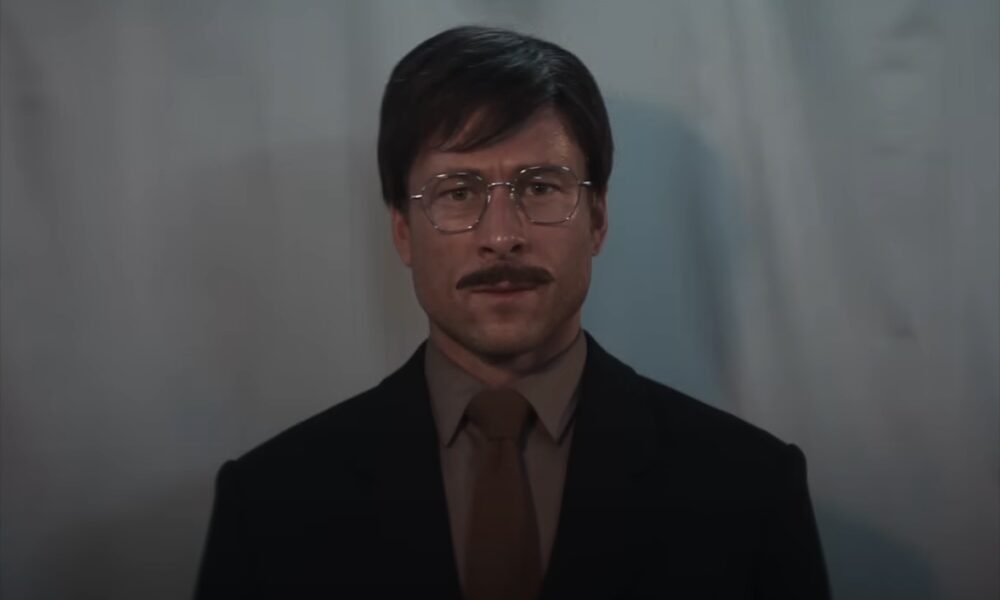
Oliver Stone’s gripping film “Salvador” features James Woods as Richard Boyle, a journalist drawn into the chaos of El Salvador during the 1980 conflict. Accompanied by his friend, photojournalist John Cassady, portrayed by John Savage, the film confronts the moral dilemmas faced by those who document war. Boyle’s character undergoes a transformation as he grapples with his own conscience amid the atrocities, showcasing the burdens carried by those who capture such harrowing realities.
Trust and Vision in ‘Proof’
“Proof,” starring Hugo Weaving, tells the story of Martin, a blind man who uses photography to validate the world around him. As he struggles with trust and perception, Martin’s camera becomes a tool for understanding and navigating his environment. Director Jocelyn Moorhouse skillfully explores the subjective nature of photography, prompting viewers to consider the broader implications of what images truly represent.
Memory and Manipulation in ‘Memento’
In Christopher Nolan’s groundbreaking film “Memento,” the protagonist, Leonard Shelby, suffers from anterograde amnesia and relies on Polaroid photographs to navigate his reality. The film’s reverse chronological structure immerses the audience in Leonard’s disorientation. His photographs, meant to serve as objective records, are ultimately revealed to be susceptible to manipulation, raising profound questions about the nature of memory and trust in photographic evidence.
A Journey of Reconciliation in ‘Kodachrome’
Set against the backdrop of the last lab processing Kodachrome film, Ed Harris plays a terminally ill photographer seeking to reconnect with his estranged son. The film, which takes place in 2010 when Dwayne’s Photo in Parsons, Kansas, ceased processing the iconic film stock, becomes a poignant road trip narrative. While critics had mixed reactions, the film resonates deeply with photographers who understand the emotional weight of undeveloped film and the memories it holds.
Adventure in ‘The Secret Life of Walter Mitty’
Ben Stiller directed and starred in “The Secret Life of Walter Mitty,” a visually stunning film about a negative assets manager at Life magazine. When tasked with finding a missing negative from a legendary photojournalist, played by Sean Penn, Walter embarks on an adventurous journey. The film treats the lost negative as a metaphorical holy grail, exploring the reverence some photographers feel towards their craft and the images they capture.
Ethics of Journalism in ‘The Killing Fields’
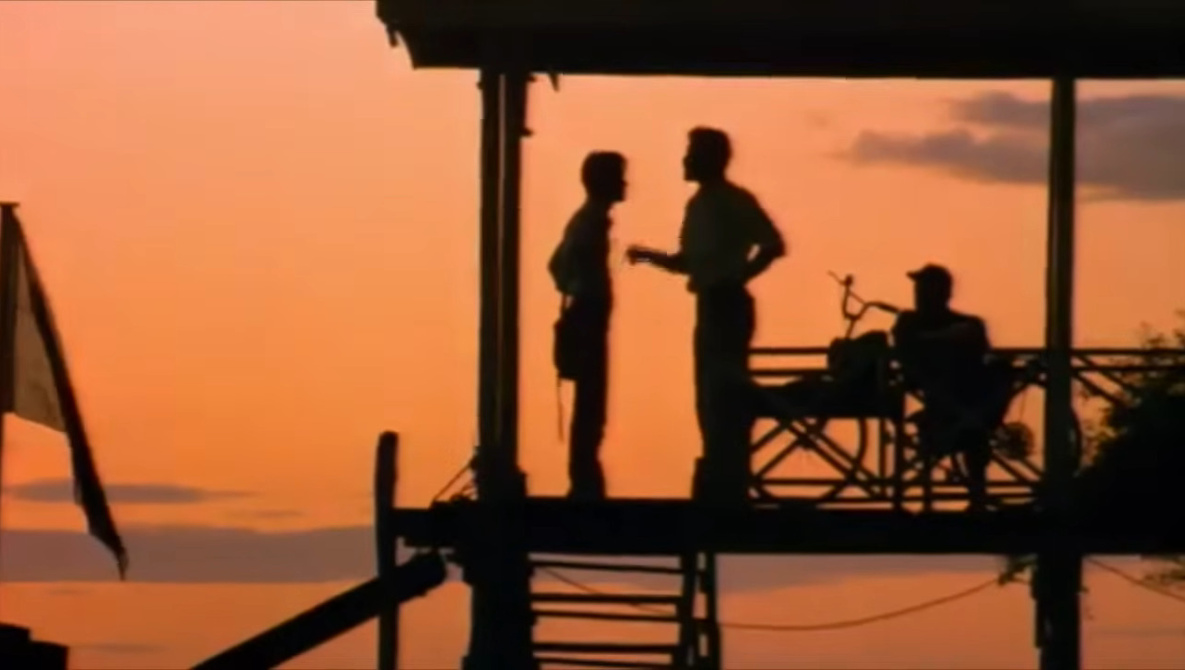
Based on true events, “The Killing Fields” chronicles the experiences of New York Times journalist Sydney Schanberg and his Cambodian colleague Dith Pran during the Khmer Rouge takeover in 1975. The film addresses the ethical complexities faced by Western journalists, highlighting the human connections formed with local fixers and translators. Pran’s struggle to navigate a perilous landscape after leaving his camera equipment behind serves as a powerful commentary on the moral responsibilities of those who report from conflict zones.
Empowerment Through Photography in ‘Like Someone in Love’
Jan Troell’s Swedish film follows Maria Larsson, a working-class woman who discovers her passion for photography after winning a camera. Set in the early 20th century, the film portrays her journey from hardship to empowerment, demonstrating how photography can serve as a window into one’s self. Maria’s experiences highlight the transformative power of art, especially for those facing societal challenges.
These films not only entertain but also provoke thought about the fundamental role photography plays in our lives. They explore the delicate balance between seeing and being seen, raising essential questions about ethics, intimacy, and the very nature of reality. For photographers and film enthusiasts alike, these narratives offer profound insights into the art of capturing moments.