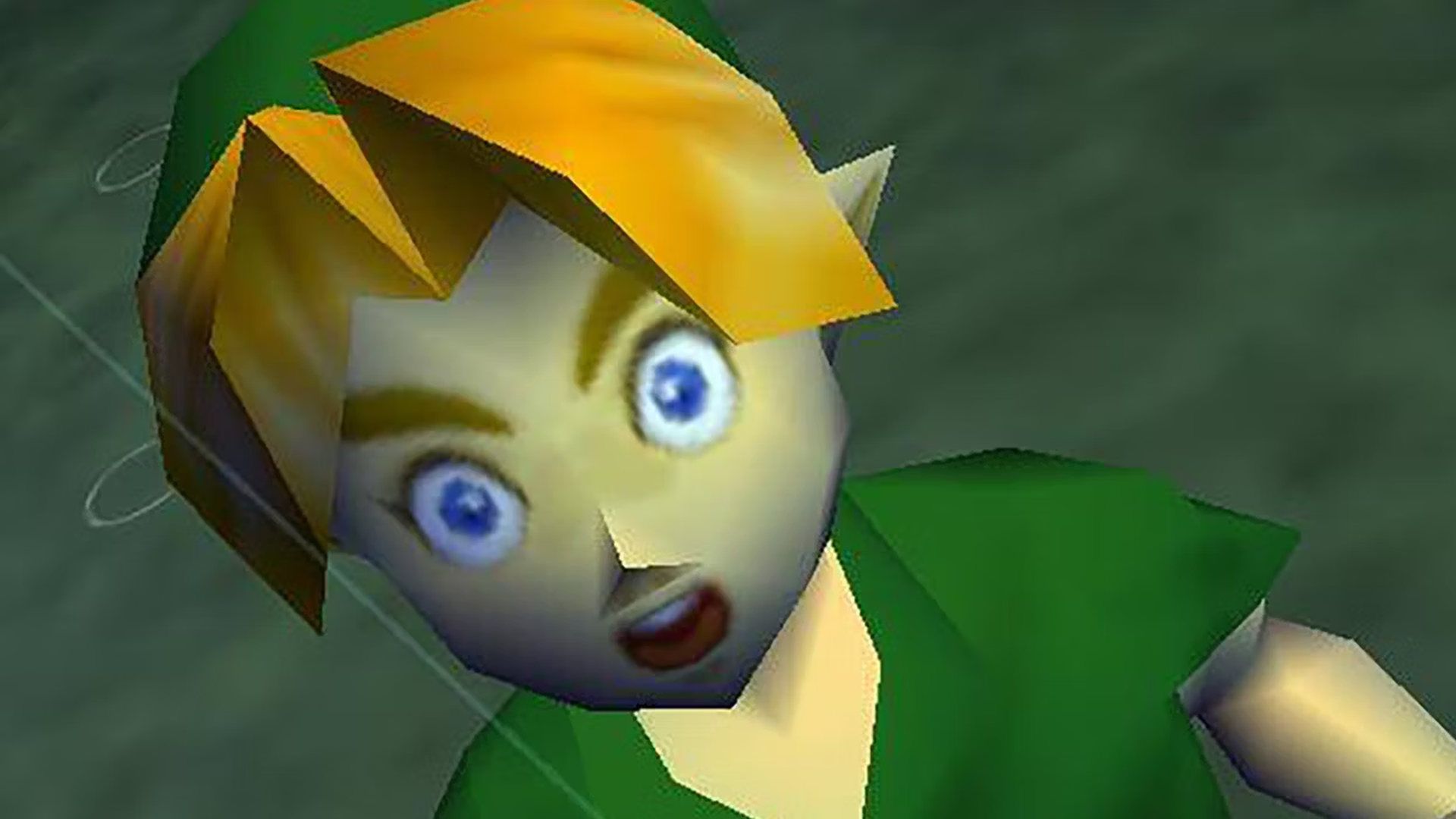
The absence of the original overworld theme from The Legend of Zelda: Ocarina of Time has puzzled fans for decades. Composer Koji Kondo recently clarified that he chose to exclude it because he believed that hearing the same melody repeatedly would become “boring and repetitive.” This insight emerged from an interview originally published in a Japanese magazine, shedding light on a long-standing question among gamers.
In a 1999 Q&A with 64 Dream magazine, Kondo explained his decision regarding the music for the game. He stated, “I’ve always kind of wanted to shake up the music… because Ocarina of Time is a brand-new 3D game on the N64, I felt it necessary to change the music just a little bit from previous entries in the series.” He emphasized the vastness of Hyrule Field, noting, “I thought it’d get boring and repetitive to hear the same melody all the time, so I decided to make a variety of music that would never get boring.” This quote was shared by Javed Sterritt on his Good Blood blog, with evidence suggesting the translation became available online in 2024.
The revelation has sparked renewed interest in the game’s music history. Video game soundtracks have always been a significant aspect of the gaming experience, and for many, the melodies of Ocarina of Time evoke nostalgia. As fans reflect on the decision to move away from the iconic theme, it highlights the ongoing challenge of documenting video game history accurately. Despite the wealth of online resources, including wikis and gaming channels, details like Kondo’s reasoning often elude even the most dedicated followers.
The absence of the original theme has led to mixed feelings among fans. Many appreciate the new compositions, yet some argue that the original overworld theme captures a sense of adventure and grandeur that remains unmatched. The popularity of the theme was evident when it made a return in Majora’s Mask, even as that game took a decidedly different direction in its narrative and tone.
Kondo’s desire to innovate within the franchise reflects a broader trend in the gaming industry, where developers continually seek to refresh and redefine their work. The decision to forego a familiar melody in favor of a diverse musical landscape speaks to the creative impulses that drive successful game design.
As The Legend of Zelda: Ocarina of Time continues to be celebrated as one of the best titles on the Nintendo 64, this discussion underscores the importance of understanding the creative choices behind beloved games. Kondo’s insights provide valuable context for fans and underscore the complexity of video game development, reminding us that even small decisions can have a lasting impact on the gaming experience.