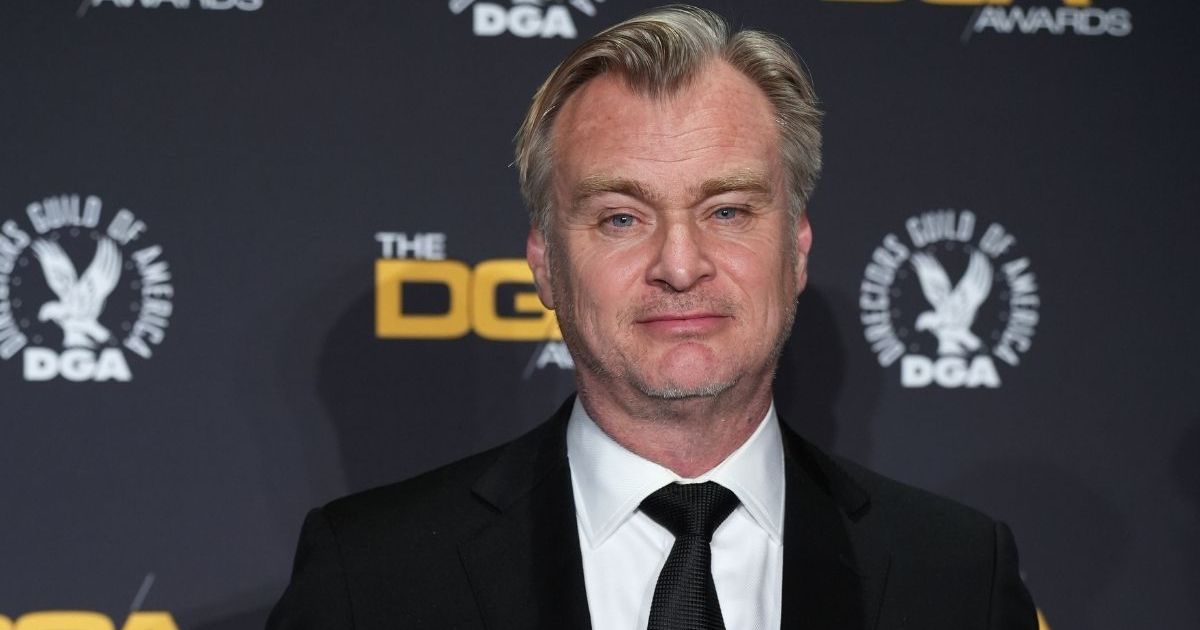
Christopher Nolan has expressed his concerns regarding the impact of artificial intelligence (AI) on the filmmaking industry, emphasizing that directors are not completely protected against its implications. The acclaimed filmmaker, known for his preference for practical effects over CGI, has shared his perspective on the evolving landscape of cinema as companies like Disney engage in partnerships with AI firms such as OpenAI.
While Nolan acknowledges the potential benefits of integrating AI technologies in filmmaking, he insists that filmmakers must retain a voice in how these tools are utilized. In an interview with Deadline, he stated, “We have excellent protections, but that’s not enough.” He underscored the importance of having a say in the legal frameworks surrounding AI, particularly in relation to copyright issues that directly affect directors’ income and residuals.
Nolan pointed out that the success of such technologies hinges on their implementation, especially regarding how profits from AI-driven projects are shared with union members. “When these companies will have the support of the deals is when they’ve shown how creatives are going to benefit from those kinds of licensing opportunities,” he remarked.
Nolan’s Views on AI Licensing and Streaming Transformation
Despite his skepticism, Nolan recognizes instances where AI could be advantageous. He highlighted Disney’s recent agreement with OpenAI as a positive step towards establishing a licensing principle in the industry. He noted, “For example, the deal Disney did with OpenAI. I see that as a positive in terms of establishing the principle of licensing.” Nevertheless, he remains cautious, adopting a “wait and see” approach concerning how this technology will impact the financial landscape for creative professionals.
Nolan also addressed the growing trend of transforming streaming services into ad-supported platforms, which utilize AI to optimize advertisement placements during film viewings. He stated, “It might seem like a simple business decision, but it has creative rights impacts, huge ones.” This shift raises concerns about how creative content will be managed and monetized moving forward.
As the newly-elected president of the Directors Guild Foundation, Nolan advocates for the establishment of a regulatory framework for companies like OpenAI. He emphasized the necessity of ensuring that filmmakers maintain influence over the creative aspects of their work in light of these technological advancements. “If they’re becoming distribution platforms, how will they manipulate? How can we have a voice in ensuring the things that we’re passionately dedicated to on the creative side?” Nolan concluded.
As the dialogue surrounding AI in film continues, the industry watches closely to see how these developments will unfold and affect the future of filmmaking.