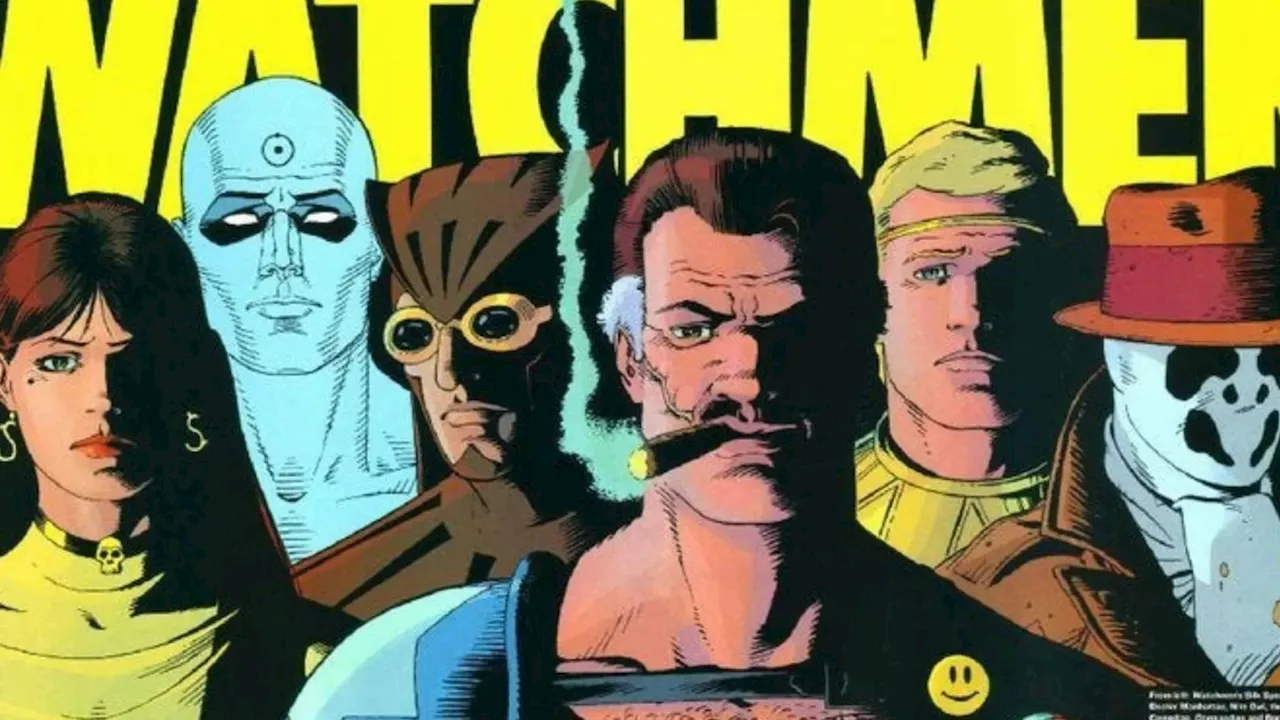
On its 40th anniversary, Watchmen, created by writer Alan Moore, artist Dave Gibbons, and colorist John Higgins, remains a pivotal work in the landscape of superhero comics. Serialized between 1986 and 1987, this twelve-issue limited series has not only garnered a reputation as one of the most influential comics ever written but also as a significant piece of literature. Its legacy, however, prompts a critical examination of how it is interpreted in today’s cultural and social context.
Contextual Significance and Artistic Merit
The narrative of Watchmen serves as a satirical deconstruction of the superhero archetype, reflecting the socio-political climate of its time. The 1980s were marked by Cold War anxieties, characterized by the looming threat of nuclear conflict, distrust in government due to scandals like Watergate, and significant shifts in societal morals. Watchmen encapsulates these tensions, presenting a world rife with cynicism where heroes grapple with moral ambiguity.
From a technical standpoint, the comic is celebrated for its innovative use of the nine-panel grid and visual storytelling, employing recurring symbols and mirrored imagery to enhance its themes. Despite these strengths, the book’s density and deliberate pacing suggest that it functions best as a time capsule, reflecting a specific historical moment rather than a universal narrative.
As contemporary readers engage with Watchmen, it becomes clear that its enduring status raises questions about its relevance today. While the comic brilliantly captures the ethos of its era, the world has evolved significantly since the late 1980s. The 1990s alone witnessed major social and moral transformations, and ongoing dialogues around heroism have further diversified in recent years.
Misinterpretation and Lasting Influence
The main concern surrounding Watchmen lies not in its intrinsic value, but in the lessons that subsequent creators have drawn from it. The comic’s groundbreaking nature and commercial success paved the way for a surge of similar narratives, many of which introduced dark and gritty themes into the superhero genre. This shift led to an increase in morally ambiguous characters, often emphasizing shock value over substantive storytelling.
While exploring the complexities of heroes can yield rich narratives, numerous stories that emerged in the wake of Watchmen often replicated its formula without fully understanding its context or depth. This trend risks overshadowing the nuanced perspectives that have developed in comics since then.
To illustrate, the adherence to the standards set by Watchmen can be likened to clinging to outdated communication technology, such as the analog landline phone, despite the advent of smartphones. The notion that nothing can measure up to its impact limits the potential for innovation and growth within the medium.
As the comic book industry continues to evolve, it remains essential to recognize that while Watchmen is a cornerstone of the genre, there are other works that also challenge conventions and push narratives forward. Engaging with new storytelling methods enriches the cultural landscape and fosters a more comprehensive understanding of heroism in contemporary society.
In summary, while Watchmen holds a revered place in the pantheon of comics, its legacy should not eclipse the diverse narratives emerging in today’s comics. Revisiting its themes with a fresh perspective allows creators and audiences alike to appreciate the complexity of modern storytelling while honoring the significant contributions of this landmark work.